Licensed Plumber Old Town Peoria Peoria Az
You’re a homeowner in Old Town Peoria, Arizona, and suddenly you’re faced with a plumbing emergency. Water is gushing, drains are backed…
Read ArticlePlain-English plumbing guides that help homeowners understand problems, prevent damage, and know when to call a professional.
Your home’s plumbing system works quietly behind the scenes every day—delivering clean water, removing wastewater, supporting appliances, and helping keep your home comfortable and functional. When something goes wrong, even a small plumbing issue can quickly become expensive.
Plumbing Services HQ helps homeowners understand common plumbing problems, maintenance, repairs, upgrades, costs, and when it may be time to call a professional.
Our goal is simple: Help you understand your plumbing before a small problem becomes a major one.
You do not need to be a plumber to understand the basics of how your home’s plumbing works.
Plumbing Services HQ provides straightforward educational guides designed for ordinary homeowners.
Understand problems. Prevent damage. Know when to call a professional.
A little knowledge can help you:
Clogged drains, leaking pipes, slow drainage, corrosion, frozen pipes, and unusual noises are among the most common plumbing concerns.
Learn about:
Explore Drains & PipesBathroom plumbing problems can range from annoying to urgent.
Learn about:
Explore Bathroom PlumbingThe kitchen contains some of the most heavily used plumbing fixtures in the home.
Explore:
Explore Kitchen PlumbingHot water problems can affect bathing, cleaning, laundry, and everyday comfort.
Learn about:
Explore Water Heater GuidesPreventive maintenance can reduce the chance of unexpected problems.
Explore Plumbing MaintenanceSome plumbing tasks are reasonable DIY projects. Others can create expensive damage or safety problems when handled incorrectly.
Explore DIY PlumbingMany plumbing problems begin with small warning signs.
A persistent drip may waste water and indicate worn internal components.
Learn About Faucet LeaksRecurring clogs may indicate buildup, obstruction, or deeper drainage issues.
Explore Drain ProblemsA running toilet can waste a significant amount of water over time.
Learn About Toilet ProblemsPressure problems may involve fixtures, supply lines, valves, buildup, leaks, or municipal supply issues.
Explore Low Water PressureEven small leaks can damage cabinets, flooring, walls, ceilings, and other building materials.
Learn About Pipe LeaksSlow drains, backups, odors, and gurgling may sometimes indicate problems deeper in the drainage system.
Explore Sewer & Drain GuidesSome symptoms deserve faster attention.
Early attention can sometimes prevent more extensive property damage.
Watch for:
Know What to Do Before Help Arrives
Possible plumbing emergencies include:
General first steps may include:
Shut off the affected fixture or the home’s main water supply when appropriate.
Avoid contact with potentially contaminated wastewater and electrical hazards.
Move belongings away from water when it is safe to do so.
Photographs may be useful for insurance or repair documentation.
Serious plumbing failures may require professional plumbing, restoration, utility, or emergency services.
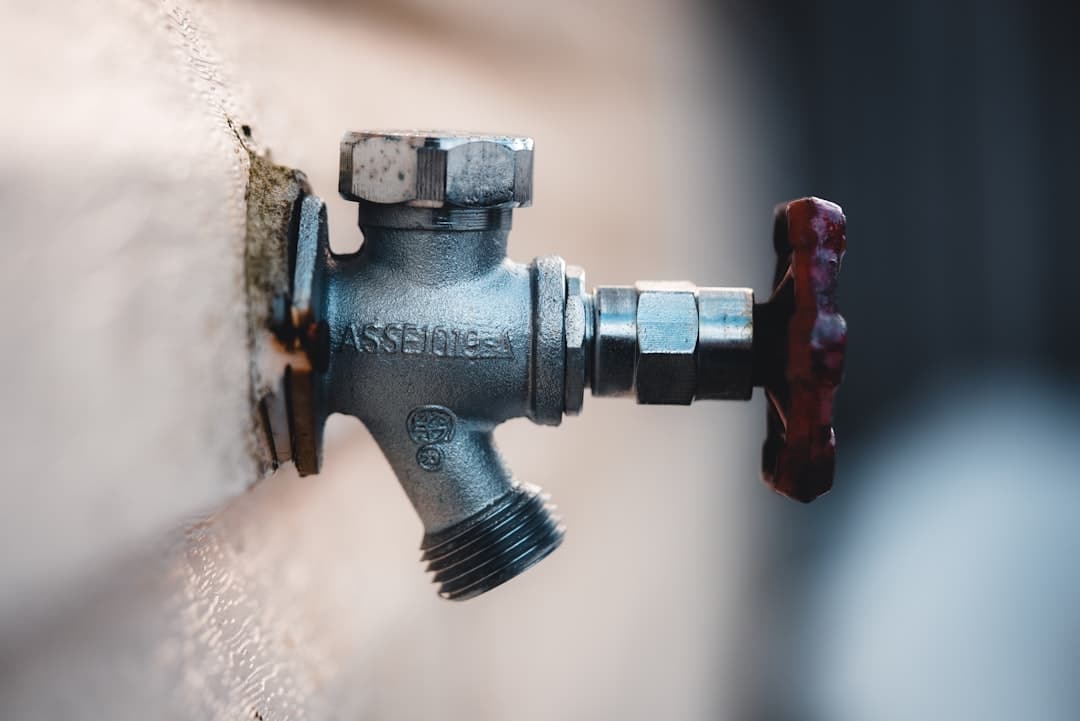
One of the most useful things any homeowner can learn is the location of the home’s main water shutoff valve.
If a pipe bursts or a fixture fails, shutting off the water quickly can significantly reduce damage.
Homeowners should know:
Do not wait for an emergency to figure this out.
Read Our Emergency Plumbing GuideWater damage is one of the biggest risks associated with plumbing failures. Simple precautions can help.
Consider:
Even small leaks should not be ignored.
Some plumbing tasks are reasonable DIY projects. Others can create expensive damage or safety problems when handled incorrectly.
If you are unsure whether a project affects structural systems, sanitation, gas, electrical connections, or building-code requirements, professional evaluation may be appropriate.
Preventive maintenance can reduce the chance of unexpected problems.
Consider routinely checking:
Look for dripping, corrosion, loose components, and slow leaks.
Inspect supply lines, drains, cabinet bottoms, and shutoff valves.
Watch for leaks, movement, running water, weak flushing, and damaged seals.
Inspect for corrosion, moisture, unusual sounds, and changes in hot-water performance.
Watch for increasingly slow drainage before a complete clog develops.
Look for corrosion, condensation, cracks, or signs of leaking.
Inspect hose bibs, irrigation connections, and exposed pipes seasonally.
Residential plumbing generally contains two major systems:
This brings pressurized clean water into the home and distributes it to:
This carries wastewater away while helping maintain proper drainage and sewer-gas control.
Understanding these basic systems can make troubleshooting much easier.
Common concerns include:
Common concerns include:
Common concerns include:
Common concerns include:
Common concerns include:
Water heaters often show warning signs before complete failure.
Watch for:
The appropriate response depends on the type, age, condition, and installation of the water heater.
A clogged drain may be a local fixture issue—or a sign of a larger drainage problem.
Common causes include:
Repeatedly treating the symptom without identifying the cause can allow the problem to continue.
Explore Drain & Sewer ProblemsCold weather can cause water inside pipes to freeze and expand. This can increase the risk of pipe damage.
Homeowners in colder climates should consider:
If a pipe freezes, use caution when attempting to thaw it. Never use an open flame.
Read Our Frozen Pipe GuidePlumbing projects are not always repairs. Homeowners may also upgrade systems for:
Popular projects include:
Explore Plumbing UpgradesReducing unnecessary water use can lower utility costs and reduce strain on plumbing systems.
Consider:
A small leak that continues for months can waste much more water than many homeowners realize.
Explore Water-Saving TipsPlumbing prices vary significantly.
Factors may include:
Rather than comparing price alone, understand exactly what each estimate includes.
Questions to ask:
Finding a plumbing professional should involve more than searching for the lowest advertised price.
Consider asking:
A reputable professional should be able to explain both the problem and the proposed solution clearly.
Read Our Plumber Hiring GuideFree Home Plumbing Inspection & Maintenance Checklist
Download our Home Plumbing Inspection & Maintenance Checklist.
Use it to check:
Get the Free Plumbing Checklist
Enter your email to receive the checklist and occasional homeowner plumbing tips. You may unsubscribe at any time.
Yes. Besides wasting water, persistent dripping may indicate worn or damaged internal components.
It depends on the plumbing system and problem. Some products may damage certain materials or create hazards when used incorrectly. Identifying the cause of a clog is often more useful than repeatedly treating it.
Common causes include flapper problems, fill-valve issues, incorrect float settings, or other tank-component problems.
Possible causes include fixture buildup, partially closed valves, leaks, supply problems, pressure regulators, or pipe restrictions.
There is no universal schedule, but periodic homeowner inspection can help identify leaks, corrosion, drainage problems, and aging components.
Age is only one factor. Leaks, corrosion, declining performance, repair history, efficiency, and system condition should also be considered.
Practical Information for a Better-Running Home
Explore our latest content about:
You’re a homeowner in Old Town Peoria, Arizona, and suddenly you’re faced with a plumbing emergency. Water is gushing, drains are backed…
Read ArticleWhen the unexpected happens in Old Town Peoria, Arizona, and water begins to behave in ways plumbing systems decidedly should not, you’re…
Read ArticleYou’re a homeowner in Desert Harbor, Arizona, and you know the desert climate presents unique challenges for your plumbing. From the intense…
Read ArticleClogged drains, dripping faucets, burst pipes – these are the annoyances, and sometimes emergencies, that can plague any household. When these plumbing…
Read ArticleWhen a pipe bursts in your kitchen or your toilet decides to stage a rebellion, it’s rarely a convenient time. Often, these…
Read ArticleYou’re considering purchasing a home in Desert Harbor, Peoria, Arizona, or perhaps you’re a current homeowner looking to address potential plumbing issues.…
Read ArticleWhen you’re facing a plumbing issue in Desert Harbor, Peoria, the immediate concern is finding a reliable professional to address the problem.…
Read ArticleYou’re in the kitchen, the heart of your Desert Harbor, Arizona home. Suddenly, a persistent drip from under the sink, a rogue…
Read ArticleYou’re in Desert Harbor, Peoria, Arizona, and you’ve got a plumbing issue. It’s a situation most homeowners dread, but it’s a reality…
Read ArticlePipe repair in Desert Harbor, Peoria, AZ, is a crucial service for homeowners and businesses. When you encounter issues with your plumbing,…
Read Article