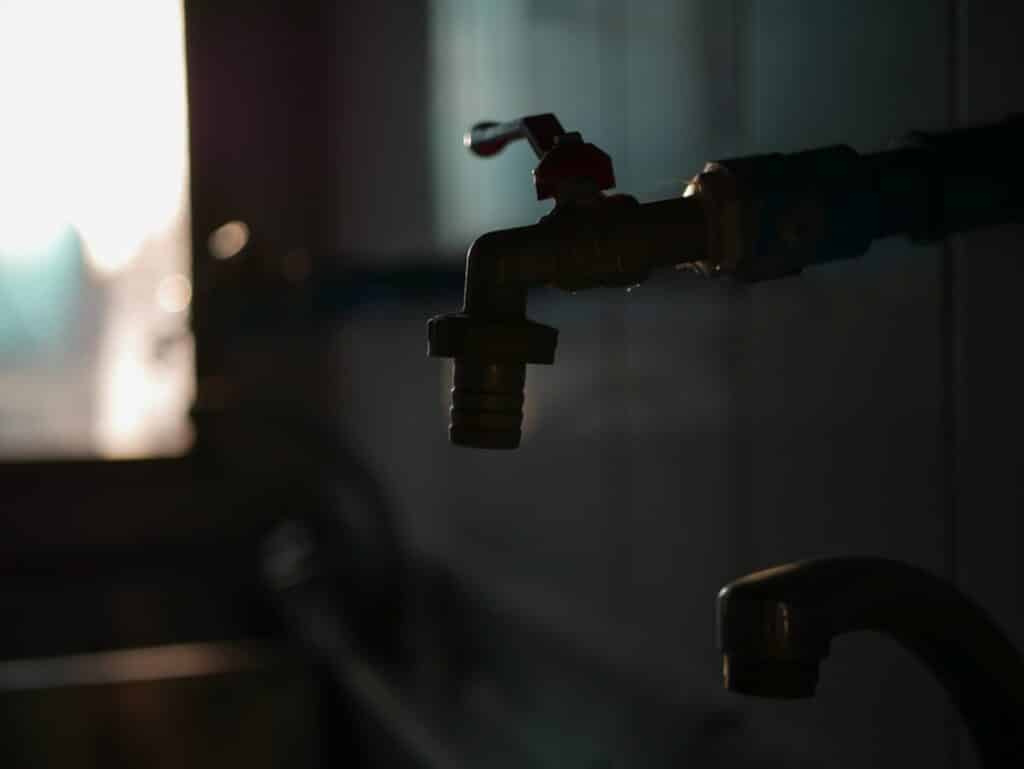
You may not think much about that persistent drip from your kitchen faucet, but leaky faucets and fixtures can lead to significant water waste and increased utility bills. A single drip per second can waste over 3,000 gallons of water a year, which is enough to fill a swimming pool. Beyond the environmental impact, the sound of dripping water can be incredibly annoying, disrupting your peace at home.
If you notice a leak, it’s essential to address it promptly. Often, the cause is a worn-out washer or O-ring, which can be easily replaced with minimal tools and effort. In addition to the annoyance and waste, leaky faucets can also lead to more severe plumbing issues if left unchecked.
Water can accumulate under sinks, leading to mold growth and structural damage over time. You might find that the cost of repairing water damage far exceeds the expense of fixing the initial leak. Therefore, it’s wise to keep an eye on your fixtures and address any leaks as soon as they arise.
Regular maintenance checks can help you catch these issues early, saving you time, money, and stress in the long run.
Key Takeaways
- Leaky faucets and fixtures can lead to water wastage and increased water bills if not fixed promptly.
- Clogged drains and toilets can cause inconvenience and potential damage to plumbing systems if not addressed in a timely manner.
- Water heater issues can result in a lack of hot water and may indicate the need for repairs or replacement.
- Low water pressure can be a sign of underlying plumbing problems that require professional attention.
- Sewer line problems can lead to foul odors, slow drainage, and potential health hazards if not resolved promptly.
Clogged Drains and Toilets
Clogged drains and toilets are among the most common plumbing problems you may encounter in your home. Whether it’s a slow-draining sink or a toilet that won’t flush, these issues can be incredibly frustrating. You might find yourself reaching for a plunger or a bottle of drain cleaner, but sometimes these quick fixes aren’t enough.
It’s essential to understand the underlying causes of clogs, which can range from hair and soap buildup in bathroom sinks to food particles and grease in kitchen drains. If you frequently experience clogs, it may be time to consider a more thorough cleaning of your plumbing system. You could try using a plumbing snake or calling in a professional plumber for a more comprehensive solution.
Regular maintenance, such as using strainers in your sinks and being mindful of what goes down your toilets, can help prevent these issues from arising in the first place. Remember, prevention is always better than cure when it comes to plumbing problems.
Water Heater Issues

Water heater issues can disrupt your daily routine in ways you might not anticipate. Imagine stepping into the shower only to be greeted by icy cold water instead of the warm stream you were expecting. This scenario is all too common and can stem from various problems, including a faulty thermostat, sediment buildup, or even a broken heating element.
If you find yourself in this situation, it’s crucial to diagnose the problem quickly to restore hot water to your home. Regular maintenance of your water heater can help extend its lifespan and improve efficiency. Flushing the tank annually to remove sediment buildup is one way to keep your unit running smoothly.
Additionally, checking the temperature settings and ensuring they are set correctly can prevent overheating and save energy costs. If you’re unsure about how to maintain your water heater or if you suspect a more significant issue, don’t hesitate to reach out to a professional plumber for assistance.
Low Water Pressure
Experiencing low water pressure can be incredibly frustrating, especially when you’re trying to wash dishes or take a shower. You may notice that the water trickles out instead of flowing freely, which can make everyday tasks feel like a chore. Low water pressure can result from various factors, including clogged pipes, leaks, or issues with your municipal water supply.
Identifying the root cause is essential for finding an effective solution. If you suspect that your home’s plumbing system is the culprit, start by checking for leaks or blockages in your pipes. Sometimes, mineral buildup in older pipes can restrict water flow, leading to low pressure.
You might also want to check your faucet aerators and showerheads for clogs that could be affecting performance. If these simple fixes don’t resolve the issue, it may be time to consult with a plumber who can assess your system and recommend necessary repairs or upgrades.
Sewer Line Problems
Sewer line problems are among the most serious plumbing issues you could face as a homeowner. When your sewer line becomes clogged or damaged, it can lead to sewage backups that pose health risks and create unsanitary conditions in your home. You might notice foul odors emanating from drains or see water pooling in your yard—both signs that something is amiss with your sewer system.
Addressing these issues promptly is crucial for maintaining a safe living environment. To prevent sewer line problems, regular inspections and maintenance are essential. You may want to consider scheduling routine cleanings or using video inspection technology to identify potential issues before they escalate into costly repairs.
Additionally, being mindful of what you flush down your toilets and pour down your drains can help prevent clogs from forming in the first place. If you suspect a sewer line issue, don’t hesitate to contact a professional plumber who specializes in sewer repairs.
Pipe Leaks and Burst Pipes

Pipe leaks and burst pipes are plumbing emergencies that require immediate attention. A small leak may seem manageable at first, but it can quickly escalate into a more significant problem if not addressed promptly. You might notice water stains on walls or ceilings, which could indicate a hidden leak behind the surface.
Burst pipes can cause extensive damage to your home’s structure and belongings, leading to costly repairs and potential mold growth. To minimize the risk of pipe leaks and bursts, consider insulating your pipes during colder months to prevent freezing and cracking. Regularly inspecting exposed pipes for signs of wear or corrosion can also help catch issues early on.
If you do discover a leak or burst pipe, turn off your main water supply immediately and contact a plumber for emergency repairs. Taking swift action can save you from further damage and expenses down the line.
Garbage Disposal Malfunctions
Garbage disposals are convenient appliances that make kitchen cleanup easier, but they can also encounter their fair share of problems. If your disposal is making strange noises or not working at all, it can disrupt your kitchen routine significantly. Common issues include jams caused by hard food items or improper use of the disposal itself.
You might find yourself frustrated when trying to troubleshoot these malfunctions without proper knowledge. To keep your garbage disposal running smoothly, it’s essential to understand what can and cannot go down the drain. Avoid putting fibrous vegetables, grease, or hard items like bones into the disposal to prevent jams.
Regularly running cold water while using the disposal helps flush food particles through the system effectively. If you encounter persistent issues despite following best practices, consider consulting with a plumber who can diagnose and repair any underlying problems.
Sump Pump Failure
Sump pumps play a crucial role in keeping basements dry and preventing flooding during heavy rains or snowmelt. However, if your sump pump fails when you need it most, it can lead to significant water damage in your home. You may not realize there’s an issue until it’s too late—when you find standing water in your basement after a storm.
Regular maintenance is key to ensuring that your sump pump operates effectively when needed. To prevent sump pump failure, consider testing it periodically by pouring water into the sump pit to see if it activates properly. Cleaning the pump and checking for any debris that could obstruct its function is also essential for maintaining its efficiency.
If you notice any signs of wear or if your sump pump is older than seven years, it may be time for an upgrade. Investing in a reliable sump pump system can provide peace of mind during heavy rainfall and protect your home from potential flooding disasters. In conclusion, being proactive about plumbing issues in your home is essential for maintaining comfort and safety.
From leaky faucets to sump pump failures, understanding common problems and their solutions will empower you as a homeowner to take action when necessary. Regular maintenance checks and prompt repairs will not only save you money but also enhance the longevity of your plumbing system. Remember that when in doubt, consulting with a professional plumber is always a wise choice for tackling more complex issues effectively.
If you’re dealing with common plumbing problems in Frisco, TX homes, you might find it helpful to read about the daily experiences of plumbers in the field. Understanding what a typical day of work for a plumber entails can provide valuable insights into how to address these issues effectively. For more information, check out this article on what is a typical day of work for a plumber.
FAQs
What are some common plumbing problems in Frisco, TX homes?
Some common plumbing problems in Frisco, TX homes include leaky faucets, clogged drains, running toilets, low water pressure, and water heater issues.
How can I prevent plumbing problems in my Frisco, TX home?
To prevent plumbing problems in your Frisco, TX home, you can regularly inspect for leaks, avoid putting grease and food scraps down the drain, and schedule routine maintenance for your water heater and plumbing system.
When should I call a professional plumber for plumbing problems in my Frisco, TX home?
You should call a professional plumber for plumbing problems in your Frisco, TX home if you are unable to fix the issue yourself, if there is a major leak or burst pipe, or if you notice a sudden decrease in water pressure.
What are the benefits of hiring a professional plumber for plumbing problems in my Frisco, TX home?
Hiring a professional plumber for plumbing problems in your Frisco, TX home ensures that the issue is properly diagnosed and fixed, reduces the risk of further damage, and can save you time and money in the long run.