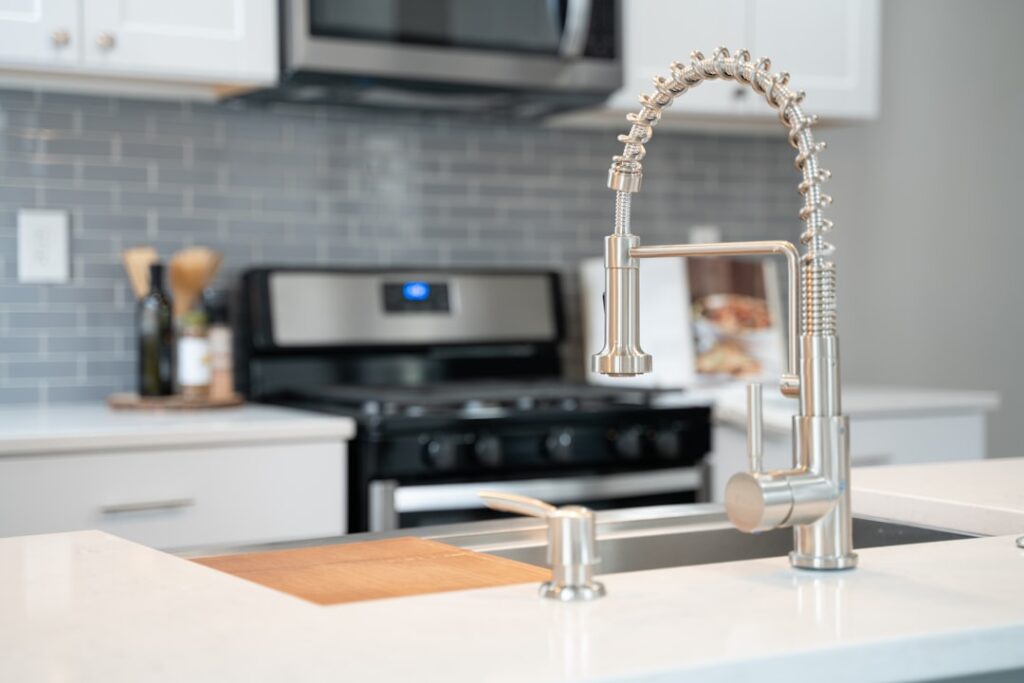
You’re standing in your Val Vista Lakes home in Gilbert, a blueprint of your dream kitchen spread across the island. You envision the sleek new faucet, the seamless integration of the dishwasher, perhaps even a second sink for prep work. That vision hinges on one crucial, often overlooked, element: your kitchen plumbing installation. It’s far more than just connecting pipes; it’s about ensuring a reliable, efficient, and safe water flow that underpins every culinary endeavor you undertake. When you’re embarking on a kitchen renovation in Val Vista Lakes, Gilbert, understanding the intricacies of plumbing installation is paramount.
Your kitchen is a hub of activity, and its plumbing system is the unseen circulatory system that keeps it functioning. From the moment you turn the tap for a glass of water to the complex hydraulics of your garbage disposal and dishwasher, every component needs to be designed, installed, and connected correctly. This isn’t a DIY project for the faint of heart, especially when you’re dealing with potentially complex configurations and adhering to local building codes in Gilbert.
The Role of Water Supply Lines
The pristine flow of clean water into your kitchen originates from the main water line connected to your home’s municipal supply. For your kitchen, this translates to dedicated supply lines that branch off to various fixtures: your sink faucet, refrigerator water dispenser, and dishwasher.
Copper vs. PEX: Material Choices
You’ll encounter different materials for these supply lines. Copper has been the traditional choice, prized for its durability and resistance to corrosion. However, its installation can be more labor-intensive and expensive due to the need for soldering. PEX (cross-linked polyethylene) has emerged as a popular alternative, offering flexibility, ease of installation with crimp or expansion fittings, and resistance to freezing. Your plumber will advise on the best material for your specific needs and budget.
Hot and Cold Water Separation
A fundamental aspect of kitchen plumbing is the provision of both hot and cold water. Separate supply lines are run to fixtures that require temperature control, most notably your sink faucet. The hot water is typically heated by your home’s water heater, and the cold water bypasses this entirely. Ensuring these lines are correctly routed and insulated (especially the hot water line to minimize heat loss) is key to an efficient system.
The Importance of Drainage and Venting
Equally critical to the water supply is the drainage system. Every fixture in your kitchen generates wastewater, which needs to be efficiently removed from your home and disposed of according to local health and environmental regulations. This is where the intricate network of drain pipes and the equally vital venting system comes into play.
Drain Pipe Sizing and Slope
Proper drain pipe sizing is crucial for preventing clogs. Undersized pipes will struggle to carry away wastewater, leading to backups. Furthermore, drain pipes are installed with a specific downward slope (typically ¼ inch per foot) to utilize gravity in moving water and waste toward the main sewer line. Incorrect slope can lead to solids settling in the pipes or water pooling, both of which are precursors to blockages.
The Role of the Vent Stack
You might have noticed small pipes exiting your roof – these are vent pipes, part of your home’s plumbing Venting system. In your kitchen, the vent stack works in conjunction with the drain pipes to equalize air pressure. Without proper venting, as wastewater flows down a drain, it creates a vacuum effect, which can suck water out of P-traps (the U-shaped bends under your sink) and allow sewer gases to enter your home. Ensuring the kitchen’s specific vents are correctly connected to the main vent stack is a non-negotiable for hygiene and safety.
If you’re considering kitchen plumbing installation in Val Vista Lakes, Gilbert, it’s essential to understand the importance of proper maintenance and repairs to ensure long-lasting functionality. For more insights on this topic, you can refer to a related article that discusses various aspects of plumbing maintenance and repairs. This resource can provide valuable tips and information to help you keep your plumbing system in top shape. Check it out here: Plumbing Maintenance and Repairs.
Navigating the Installation Process
The physical installation of your new kitchen plumbing in Val Vista Lakes, Gilbert, is a multi-step process that requires precision and adherence to best practices. It’s not about simply screwing things together; it’s about integrating a complex system that will serve you for years to come.
Rough-In Plumbing: The Foundation
Before any visible fixtures are installed, the “rough-in” plumbing takes place. This involves running the supply and drain lines through the walls, floors, and ceilings, connecting them to the main water and sewer lines. This is the most critical phase, as any errors or omissions here will be significantly more difficult and expensive to rectify later.
Locating Existing Lines and Planning New Runs
Your plumber will meticulously map out the existing plumbing infrastructure in your kitchen. For renovations, this involves identifying where to tap into existing supply and drain lines or rerouting them to accommodate your new layout. Careful planning is essential to avoid collisions with electrical wiring, HVAC ducts, or structural components.
Securing and Insulating Pipes
Pipes are securely fastened to studs and joists to prevent movement and vibration, which can lead to noise and eventual leaks. In areas prone to freezing, or to enhance water temperature consistency, insulation is applied to both hot and cold water supply lines. This is particularly important for hot water lines to reduce heat loss and for cold water lines in unheated spaces.
Fixture Installation: Bringing it to Life
Once the rough-in plumbing is complete and inspected (if required by local codes), the installation of visible fixtures begins. This is where your kitchen starts to take its functional form.
Sink and Faucet Connections
The kitchen sink is a central point, and its faucet requires precise connections to the hot and cold water supply lines. Proper sealing around the faucet base and connections prevents leaks. The drain assembly under the sink, including the P-trap and its connection to the drainpipe, is also installed and tested.
Dishwasher and Garbage Disposal Integration
These appliances have more complex plumbing requirements. The dishwasher needs both a water supply line and a drain connection, often integrated into the sink’s drain assembly. Garbage disposals require a sturdy electrical connection and a direct link to the drainpipe system. Ensuring the disposal’s drain connection is appropriately sized and integrated prevents operational issues.
Final Connections and Testing
The final stage involves connecting all the newly installed components to the existing water and drainage systems and then rigorously testing the entire setup.
Pressure Testing the Supply Lines
Before any water is introduced to the fixtures, the supply lines are typically pressure tested. This involves pressurizing the lines with air or water to a specified level and monitoring for any drop in pressure, which would indicate a leak. This proactive measure catches potential issues before they can cause water damage.
Drainage Flow and Leak Detection
Once water is turned on, the plumber will run water through each fixture, checking for proper drainage, smooth flow, and the absence of any leaks at all connection points. This includes testing the dishwasher and garbage disposal under operational load.
Code Compliance and Permitting in Val Vista Lakes

When you’re undertaking any significant plumbing work in your home, especially in a planned community like Val Vista Lakes in Gilbert, understanding and adhering to local building codes and permitting requirements is not optional. These regulations are in place to ensure safety, prevent environmental hazards, and maintain property values.
The Importance of Permits
Obtaining the necessary permits from the Town of Gilbert’s Building and Zoning department is crucial. This process typically involves submitting plans for your plumbing work to be reviewed by city officials. The permit signifies that your project will be inspected at various stages to ensure it meets established standards.
Why Permits Matter for Plumbing
Permits are your assurance that the work is being done correctly and safely. They protect you from potential liability should an issue arise later. Furthermore, unpermitted work can cause significant problems when you try to sell your home, potentially requiring you to redo the work to bring it up to code.
Understanding Gilbert’s Plumbing Codes
Gilbert, like all municipalities, has specific plumbing codes that dictate everything from pipe material and sizing to vent heights and fixture installation requirements. These codes are often based on national standards but can have local amendments.
Key Plumbing Code Considerations
Your plumber should be intimately familiar with these codes. This includes understanding requirements related to:
- Backflow Prevention: Devices that prevent contaminated water from flowing back into the potable water supply.
- Water Hammer Arrestors: Mechanisms to prevent the damaging shockwaves that can occur when water flow is suddenly stopped.
- Drainage Slope Requirements: As mentioned earlier, precise slopes are mandated for different types of drain lines.
- Vent Termination Heights: Ensuring vents exit the roof at a height that prevents blockage by snow or debris and meets odor dispersal requirements.
The Role of Inspections
As part of the permitting process, your plumbing installation will likely require inspections at various stages. This could include an inspection of the rough-in plumbing before it’s concealed, and a final inspection once all fixtures are installed. These inspections by a certified building inspector provide an independent verification that the work meets code.
Selecting the Right Professionals for Your Project

Choosing the right plumber for your kitchen plumbing installation in Val Vista Lakes is as important as the installation itself. You are entrusting them with a critical aspect of your home’s functionality and safety.
The Value of Licensed and Insured Plumbers
Always opt for a plumber who is licensed by the State of Arizona and carries adequate liability insurance. Licensing ensures they have met the educational and examination requirements to perform plumbing work. Insurance protects you from financial responsibility in the event of an accident or damage to your property during the installation.
Verifying Credentials
Don’t hesitate to ask for proof of licensing and insurance. You can also verify licenses through the Arizona Registrar of Contractors.
Experience in Kitchen Renovations
While any licensed plumber can connect pipes, a professional with specific experience in kitchen renovations will be more attuned to the unique challenges and opportunities presented by these projects. They’ll understand how to seamlessly integrate new appliances, work with often-cramped cabinet spaces, and plan for efficient workflow.
Asking for References
Request references from past kitchen renovation clients. Speaking with previous customers can provide invaluable insight into the plumber’s professionalism, reliability, and the quality of their work.
The Importance of Clear Communication and Contracts
Before any work begins, have a detailed discussion with your chosen plumber about your project. Ensure you both understand the scope of work, the materials to be used, the estimated timeline, and the total cost.
Detailed Written Estimates and Contracts
Always obtain a detailed written estimate that outlines all costs, including labor, materials, and any permits. A formal contract provides a clear agreement and a record of what you’ve agreed upon, protecting both parties.
When considering a kitchen plumbing installation in Val Vista Lakes Gilbert, it’s essential to understand the various aspects of the plumbing profession. A great resource that delves into the journey of becoming a skilled plumber is an article that explores the transition from an apprentice to an expert in the field. This insightful piece can provide valuable context and inspiration for anyone interested in plumbing, whether for personal projects or professional aspirations. You can read more about this journey in the article here.
Troubleshooting Common Kitchen Plumbing Issues
| Service | Cost | Duration |
|---|---|---|
| Kitchen Plumbing Installation | 500 – 1500 | 1-2 days |
Even with professional installation, the complexities of kitchen plumbing can sometimes lead to issues. Understanding common problems and their potential causes can help you address them promptly and prevent minor annoyances from becoming major headaches.
Slow Draining and Clogs
This is perhaps the most frequent complaint. Slow draining can be caused by a buildup of grease, food particles, and hair in the drain pipes and P-traps.
Causes and Solutions
- Grease Buildup: Avoid pouring grease down the drain. Instead, let it solidify and dispose of it in the trash.
- Food Scraps: While garbage disposals can help, they aren’t a magical solution for all food waste. Avoid putting fibrous materials like celery stalks or banana peels down the disposal.
- Foreign Objects: Small items can accidentally fall down drains.
- Solutions: For minor clogs, a plunger or a plumber’s snake can be effective. For persistent clogs, especially in older pipes, a professional drain cleaning service might be necessary.
Leaks Under the Sink
Leaks under the kitchen sink can be a sign of loose connections, damaged seals, or corroded pipes.
Identifying the Source
- Faucet Connections: Check the supply line connections to the faucet.
- Drain Assembly: Inspect the seals around the sink drain and the P-trap.
- Garbage Disposal: Ensure the connections to the disposal unit are secure.
- Solutions: Tightening loose connections is often a simple fix. For damaged seals or corroded pipes, replacement by a plumber is usually required.
Water Pressure Problems
Inconsistent or low water pressure at your kitchen faucet can stem from various sources.
Potential Causes and Remedies
- Clogged Aerator: The aerator at the tip of your faucet can accumulate mineral deposits, reducing flow. Unscrew and clean it.
- Issues with the Shut-Off Valves: Some valves under the sink might not be fully open.
- Problems with the Main Water Supply: If pressure is low throughout your home, the issue might lie with the main water service or meter.
- Solutions: Cleaning the aerator is a DIY task. For issues beyond that, a plumber can diagnose and address problems with shut-off valves or refer you to the water utility if the problem is with the main supply.
Unusual Noises
Gurgling sounds from drains can indicate a venting issue, while banging noises (water hammer) point to a problem with the water supply system.
Addressing Strange Sounds
- Gurgling: This often signifies that the venting system is not working efficiently, allowing air to be trapped. A plumber can inspect and clear vent blockages.
- Water Hammer: This occurs when water flow is abruptly stopped, causing pipes to vibrate. Water hammer arrestors can be installed to mitigate this.
Your kitchen plumbing installation in Val Vista Lakes, Gilbert, is a substantial undertaking. By understanding the process, the regulations, and the importance of professional expertise, you can approach your renovation with confidence, ensuring a functional, safe, and long-lasting addition to your home.
FAQs
What is Kitchen Plumbing Installation?
Kitchen plumbing installation refers to the process of setting up the plumbing system in a kitchen, including the installation of sinks, faucets, garbage disposals, dishwashers, and any other plumbing fixtures.
What are the important considerations for Kitchen Plumbing Installation in Val Vista Lakes, Gilbert?
Important considerations for kitchen plumbing installation in Val Vista Lakes, Gilbert include complying with local building codes, ensuring proper drainage and ventilation, and choosing high-quality plumbing fixtures that are suitable for the specific kitchen layout and usage.
Why is Professional Installation Important for Kitchen Plumbing?
Professional installation is important for kitchen plumbing to ensure that the plumbing fixtures are installed correctly, preventing leaks, water damage, and other issues. Additionally, professional installation can help ensure that the plumbing system meets all necessary building codes and regulations.
What are the Common Plumbing Issues in Kitchen Installation?
Common plumbing issues in kitchen installation include leaks, clogs, low water pressure, and improper drainage. These issues can arise from improper installation, poor quality fixtures, or lack of maintenance.
How can I Find a Reliable Plumbing Installation Service in Val Vista Lakes, Gilbert?
To find a reliable plumbing installation service in Val Vista Lakes, Gilbert, you can ask for recommendations from friends or family, research online reviews, and verify that the company is licensed and insured. It’s also important to get multiple quotes and ask about the company’s experience with kitchen plumbing installation.