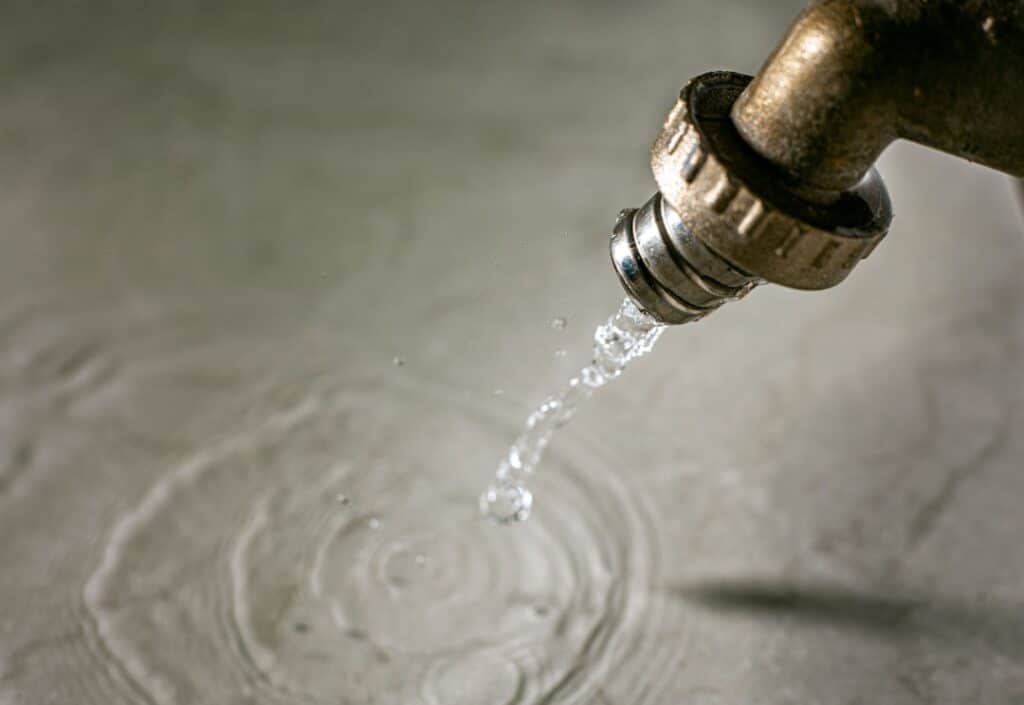
You’ve likely found yourself here because a dripping sound has become a persistent, unwelcome guest in your Eldorado, McKinney, TX home. Perhaps you’ve noticed a water stain blooming on your ceiling, or a damp patch appearing on your floor. Whatever the specific symptom, the reality is clear: you have a plumbing leak, and you’re looking for a solution. This guide is designed to address that concern, offering a practical and detailed approach to understanding and resolving plumbing leak issues in your Eldorado, McKinney, TX residence.
Before any repair can take place, you need to pinpoint where the water is escaping. This might seem obvious, but leaks can be deceptive, appearing far from their origin. Understanding common leak points will help you or a plumber efficiently diagnose the problem.
Visible Leaks
These are the most straightforward to identify, typically manifesting as:
Dripping Faucets
The rhythmic drip, drip, drip from a faucet is often the first sign of a leak. This can be due to worn-out washers, O-rings, or a damaged valve seat. While seemingly minor, a constant drip can waste a significant amount of water over time, contributing to higher utility bills and potentially causing minor water damage.
Examining Faucet Components
You might be able to take a preliminary look at your faucet. For compression faucets, the washer is the usual culprit. For cartridge or ball faucets, the internal mechanisms are more complex, often requiring specialized tools for repair.
Leaky Showerheads and Tub Spouts
Similar to faucets, showerheads and tub spouts can develop leaks at the connection point to the wall or from internal wear. This can result in a constant trickle even when the water is turned off, or a more significant leak when water is running.
Checking Connections and Aerators
Ensure the connection between the showerhead and the pipe is secure. For tub spouts, check if water is leaking from the spout itself or from behind the escutcheon plate. Inspecting the aerator for obstructions or damage might also be a useful step, though less common for leaks themselves.
Toilet Leaks
Toilets are notorious for leaks, both visible and hidden.
Leaking Tank-to-Bowl Connection
Water seeping from the base of the toilet tank, often visible as a puddle on the floor, usually indicates a problem with the gasket or bolts that connect the tank to the bowl.
Running Toilets
A toilet that constantly runs, even after flushing, suggests an issue with the fill valve or the flapper. The flapper, a rubber seal at the bottom of the tank, is designed to seal water in. If it’s worn or warped, water can continuously leak into the bowl.
Hidden Leaks
These are more problematic as they can go unnoticed for extended periods, allowing for significant damage to occur.
Wall and Ceiling Stains
Discoloration, bubbling paint, or peeling wallpaper on walls and ceilings often signal a leak within the wall cavity or from the plumbing above. These stains can grow and spread, indicating an increasing water issue.
Pinpointing the Location
Try to determine if the stain is directly under a bathroom, kitchen, or laundry room. This can help narrow down the area where the leak might be originating.
Damp or Wet Spots on Floors
Similar to wall stains, persistent dampness or visible water on floors can indicate a leak from pipes beneath the floorboards or from fixtures above.
Common Floor Leak Areas
Kitchens, bathrooms, and laundry rooms are prime suspects for floor leaks due to the concentration of plumbing in these areas.
Musty Odors
An unusual, persistent musty smell in your home, especially in particular rooms or areas, can be a telltale sign of a hidden leak and the resulting mold or mildew growth.
Association with Moisture
Consider if the odor is stronger after rainfall or in areas where you suspect moisture might be accumulating, such as near ventilation systems or basements.
Unexpected Increases in Water Bills
A sudden and unexplained jump in your monthly water bill is a strong indicator of a leak, even if you haven’t seen any immediate physical signs. The continuous flow of water, no matter how small, adds up.
Monitoring Your Water Meter
To confirm, you can check your water meter. Turn off all water-using appliances and fixtures and observe the meter. If it continues to move, you have a leak somewhere in your system.
If you’re dealing with plumbing leak repairs in Eldorado, McKinney, TX, it’s essential to consider the overall health of your plumbing system, including water quality. An informative resource on this topic is an article about installing water filtration systems, which can help prevent future plumbing issues by ensuring clean water flow. You can read more about it here: Installing Water Filtration Systems.
Common Causes of Plumbing Leaks
Understanding why your pipes are leaking is crucial for effective repair and prevention. The causes can range from simple wear and tear to more complex issues.
Age and Deterioration of Plumbing
Older homes in Eldorado, McKinney, TX, may have plumbing systems that are nearing the end of their lifespan. Over time, pipes can corrode, develop pinhole leaks, or fixtures can wear out.
Galvanized Steel Pipes
If your home was built in the mid-20th century, you might have galvanized steel pipes. These are prone to internal corrosion, which can lead to leaks and reduced water pressure.
Signs of Galvanized Pipe Issues
Discolored water (brown or rust-colored), reduced water flow, and a metallic taste are indicators that your galvanized pipes may be corroding and developing leaks.
Copper Pipes
While more durable than galvanized steel, copper pipes can still develop leaks due to:
Corrosion
Especially in areas with aggressive water chemistry, copper pipes can corrode over time, leading to pinhole leaks.
Solder Joint Failures
Leaky solder joints where sections of copper pipe are joined can occur due to improper installation or age.
PEX Tubing
Modern PEX (cross-linked polyethylene) tubing is generally durable, but leaks can still occur:
Improper Crimp Ring Installation
If the crimp rings used in PEX connections are not installed correctly, they can lead to leaks.
Damage from Pests or Sharp Objects
PEX can be susceptible to damage from rodents or sharp objects if not adequately protected.
High Water Pressure
Excessive water pressure strains your plumbing system, leading to premature wear and tear on pipes, fittings, and fixtures, and significantly increasing the likelihood of leaks.
Identifying High Water Pressure
Most homes have a water pressure regulator. If yours is faulty or absent, pressure can climb. A typical safe range for residential water pressure is between 40 and 60 psi. Anything consistently above 80 psi is considered too high.
Using a Water Pressure Gauge
You can purchase an inexpensive water pressure gauge that screws onto an outdoor spigot or washing machine hookup to check your home’s water pressure.
Consequences of High Pressure
Apart from causing leaks, high water pressure can also damage appliances like your dishwasher, washing machine, and water heater, shortening their lifespan and leading to costly repairs or replacements.
Clogged Drains and Pipes
When drains become clogged, water has nowhere to go, leading to a backup and potential leaks at weak points in the system.
Grease and Food Scraps
In kitchens, grease and food particles are common culprits for clogs in sink drains.
Persistent Slow Draining
A slow-draining sink, especially after dishwashing, is a clear sign that a clog is developing.
Hair and Soap Scum
In bathrooms, hair and soap scum are the primary causes of clogged shower and bathtub drains.
Water Pooling in the Shower
If water begins to pool in your shower or tub instead of draining away quickly, a clog is imminent.
Tree Roots
In outdoor plumbing, tree roots can infiltrate and constrict underground pipes, causing blockages and leaks.
Sewage Backups
If you experience sewage backing up into your drains, especially after heavy rain, tree root intrusion could be the cause.
Faulty Fixtures and Appliances
Leaky faucets, running toilets, and malfunctioning appliance hoses are common sources of water damage.
Worn-Out Seals and Gaskets
Over time, the rubber seals and gaskets in faucets, toilets, and even appliance connections can degrade, leading to leaks.
The Silent Culprit of Water Damage
These components are often small and inexpensive to replace, but their failure can result in significant water waste and damage.
Vibrations and Shifting Foundations
Slight vibrations from household appliances or subtle shifts in your home’s foundation can put stress on plumbing connections, leading to cracks or loosening of fittings.
Early Warning Signs
Listen for unusual noises such as banging or rattling in your pipes, especially when appliances like washing machines or dishwashers are in use.
Types of Plumbing Leaks and Their Implications

Understanding the nature of a leak helps in assessing its severity and the potential impact on your home in Eldorado, McKinney, TX. Leaks aren’t all the same, and some require more immediate attention than others.
Minor Leaks
These are typically slow drips or seeps that, while often treated with less urgency than major bursts, can still lead to significant problems if ignored.
Dripping Faucets and Showerheads
As discussed, these are common. While a single drip might seem insignificant, the cumulative effect over days, weeks, and months can be substantial, leading to wasted water and increased utility bills.
Escalation to Erosion
Prolonged dripping, especially onto sensitive surfaces like countertops or shower bases, can lead to erosion and staining over time, requiring more extensive repairs than just fixing the faucet.
Small Seeps at Pipe Joints
Often, a leak might be a slow seep at a threaded connection or a soldered joint. These might only be noticeable as a damp spot on the pipe or a slight discoloration.
Potential for Expansion
These small seeps can worsen over time, especially if water pressure fluctuates or if the joint is further stressed. What starts as a minor drip can evolve into a more substantial leak.
Moderate Leaks
These leaks are more noticeable and can cause visible damage relatively quickly. They require prompt attention to prevent further deterioration.
Leaking Toilet Bases
As mentioned, water pooling around a toilet base is a clear sign of a moderate leak, likely from the tank-to-bowl seal or the wax ring.
Sanitation Concerns
Beyond water damage, leaks from toilets can also pose sanitation issues if waste is involved, requiring immediate attention.
Leaks from Appliance Hoses
Leaky hoses connected to washing machines, dishwashers, or refrigerators with ice makers can release a steady stream of water.
Risk of Sudden Failure
These rubber hoses are prone to cracking and bursting, especially with age or if subjected to high water pressure. A burst hose can release a significant volume of water in a short period.
Pinhole Leaks in Pipes
These are small perforations in metal pipes that can spray water. They can be difficult to spot initially but can cause significant water damage within walls or under floors.
Difficulty in Detection
The spray from a pinhole leak can be directed, making it hard to trace the water back to its source.
Major Leaks and Burst Pipes
These are emergencies that require immediate action to mitigate extensive damage and prevent potential hazards.
Burst Water Pipes
A burst pipe, often caused by freezing temperatures or extreme pressure, can release a torrent of water, flooding your home.
Escalating Damage
Within minutes, a burst pipe can cause tens of thousands of dollars in water damage, affecting structural integrity, electrical systems, and finishes.
Significant Leaks from Main Water Lines
A leak in the main water line entering your home can result in a rapidly growing puddle in your yard and a dramatic drop in water pressure inside your house.
Impact on Exterior Property
These leaks can also undermine foundations, cause sinkholes, and damage landscaping.
Overflowing Sump Pumps (if applicable)
In homes with basements or crawl spaces, a malfunctioning or overwhelmed sump pump can lead to significant flooding.
Water Intrusion in Low Areas
When the sump pump fails to remove water effectively, it can lead to extensive water intrusion into the lowest parts of your home, potentially impacting structural elements.
Addressing the Leak: DIY vs. Professional Help

Deciding whether to tackle a plumbing leak yourself or call in a professional is a decision that depends on various factors, including your skill level, the complexity of the leak, and the potential for further damage.
When to Consider DIY Repair
For very minor, easily accessible leaks, a DIY approach might be feasible.
Simple Faucet Drips
Replacing a washer or O-ring in a compression faucet can be a relatively straightforward DIY task. You’ll need a few basic tools and replacement parts.
Steps Involved
Typically, this involves shutting off the water supply to the faucet, disassembling the handle and stem, replacing the worn component, and reassembling.
Minor Toilets Leaks (Flapper Replacement)
Replacing a worn toilet flapper is another common DIY repair.
Procedure for Flapper Replacement
This involves shutting off the water supply to the toilet, draining the tank, removing the old flapper, and attaching the new one.
When to Call a Professional Plumber
For most leaks, especially those you cannot easily locate or access, or if there’s any doubt about your ability to fix it correctly, professional help is recommended.
Hidden Leaks Behind Walls or Under Floors
These leaks require specialized tools and knowledge to locate and repair without causing unnecessary damage to your home.
Diagnostic Equipment
Plumbers have access to leak detection equipment, such as acoustic detectors or thermal imaging cameras, to pinpoint the source of hidden leaks.
Leaks Under High Pressure
Any leak involving high water pressure, or if you suspect your home’s water pressure is too high, should be addressed by a professional to ensure proper regulation and repair.
Risk of Further Damage
Attempting to repair a high-pressure leak without the proper expertise can worsen the problem and cause significant damage.
Burst Pipes or Major Water Issues
These are emergencies that demand immediate professional intervention.
Emergency Plumbing Services
Many plumbing companies offer emergency services for burst pipes and major leaks, ensuring a rapid response to minimize water damage.
Concerns About Underlying Issues
If you suspect a leak is a symptom of a larger problem, such as corroded pipes or a failing plumbing system, a professional can provide a comprehensive assessment and solution.
Long-Term Solutions
A plumber can identify the root cause of the problem and recommend long-term solutions to prevent future leaks.
If you’re dealing with plumbing leak repair in Eldorado, McKinney, TX, it’s essential to understand how to maintain your plumbing system effectively. A great resource to consider is an article that offers valuable insights on water conservation, which can help you prevent future leaks and save on your water bill. You can read more about this topic in the article on water conservation tips for a greener plumbing system. Implementing these strategies not only aids in leak prevention but also contributes to a more sustainable home.
The Repair Process and Prevention Tips
| Service | Metrics |
|---|---|
| Response Time | Within 1 hour |
| Repair Cost | Depends on the extent of damage |
| Customer Satisfaction | 90% positive feedback |
| Guarantee | 1 year warranty on repairs |
Once a leak is identified and a repair plan is in place, understanding the typical repair process and adopting preventative measures can save you time, money, and stress in the future for your Eldorado, McKinney, TX home.
The Repair Process
The specific steps involved in a plumbing leak repair will vary depending on the nature and location of the leak, but generally include:
Diagnosis and Assessment
A qualified plumber will first accurately diagnose the type and location of the leak. This may involve visual inspection, listening for abnormal sounds, and using specialized leak detection equipment.
Water Shut-Off
The immediate priority before any repair work begins is to shut off the main water supply to your home to prevent further water damage.
Damage Assessment and Mitigation
Once the leak is stopped, the plumber will assess the extent of water damage. This might involve drying out affected areas, removing damaged materials, and recommending remediation services if mold growth is suspected.
Documenting Damage
It’s often advisable to document any water damage with photographs or videos for potential insurance claims.
Repair or Replacement of Damaged Components
Depending on the cause, this could involve:
Replacing Worn Parts
For faucets or toilets, this might mean replacing washers, O-rings, cartridges, or flappers.
Repairing or Replacing Pipes
Leaky pipes may be repaired using patching techniques or, in more severe cases, sections of pipe may need to be replaced.
Sealing Joints and Connections
Leaky joints or connections will be re-sealed or tightened.
Testing the Repair
After the repair is completed, the water supply will be turned back on, and the repaired area will be meticulously tested to ensure the leak has been successfully resolved and no new issues have arisen.
Pressure Testing
In some cases, plumbers may perform pressure tests to confirm the integrity of the repaired section.
Prevention Tips
Proactive measures can significantly reduce the likelihood of experiencing plumbing leaks in your Eldorado, McKinney, TX home.
Regular Plumbing Inspections
Schedule annual plumbing inspections with a trusted professional. They can identify potential issues before they become major leaks.
Early Detection of Wear and Tear
Inspections can catch worn-out seals, corroded pipes, or weakened connections that you might otherwise overlook.
Insulate Exposed Pipes
In areas prone to freezing temperatures (even in Texas, occasional cold snaps occur), insulate pipes in unheated areas like crawl spaces and attics to prevent them from bursting.
Preventing Freezing and Bursting
Proper insulation can be a cost-effective way to avoid the devastating consequences of frozen pipes.
Monitor Water Pressure
Ensure your home’s water pressure is within the recommended range (40-60 psi). If it’s too high, have a plumber install or adjust a water pressure regulator.
Reducing Strain on the System
Maintaining optimal water pressure reduces stress on all plumbing components, prolonging their lifespan and preventing leaks.
Be Mindful of What Goes Down Drains
Avoid pouring grease, coffee grounds, or harsh chemicals down your drains. Use drain strainers to catch debris.
Preventing Clogs and Backups
Proper drain maintenance is crucial for preventing clogs that can lead to leaks.
Address Small Issues Promptly
Don’t ignore small drips or slow drains. Addressing these minor problems early can prevent them from escalating into costly repairs.
The “Little Leaks Add Up” Mentality
A small drip can contribute to significant water waste and potential damage over time.
Know Your Plumbing System
Familiarize yourself with the location of your main water shut-off valve. In case of a major leak or burst pipe, knowing how to quickly shut off the water can save your home from extensive damage.
Preparedness is Key
Having this knowledge readily available can be invaluable during a plumbing emergency.
By understanding the potential sources, types, and causes of plumbing leaks, and by knowing when to seek professional assistance and how to prevent future issues, you can effectively manage and resolve any plumbing leak concerns in your Eldorado, McKinney, TX home.
FAQs
What are common signs of a plumbing leak in a home?
Some common signs of a plumbing leak in a home include water stains on walls or ceilings, the sound of running water when no fixtures are in use, a sudden increase in water bills, and the presence of mold or mildew.
How can I locate a plumbing leak in my home?
You can locate a plumbing leak in your home by checking for visible signs of water damage, using a water meter to check for a sudden increase in water usage, and conducting a dye test in your toilet tank to check for leaks.
When should I consider hiring a professional for plumbing leak repair?
You should consider hiring a professional for plumbing leak repair if you are unable to locate the source of the leak, if the leak is causing significant water damage, or if the repair requires specialized tools or expertise.
What are the potential risks of ignoring a plumbing leak in my home?
Ignoring a plumbing leak in your home can lead to extensive water damage, mold growth, structural damage, and increased water bills. It can also pose health risks due to the presence of mold and mildew.
What can I expect during the plumbing leak repair process?
During the plumbing leak repair process, a professional plumber will first locate the source of the leak, assess the extent of the damage, and then proceed with the necessary repairs, which may include replacing pipes, fixing fixtures, or sealing leaks. The plumber will also ensure that the affected area is properly dried and sanitized to prevent mold growth.