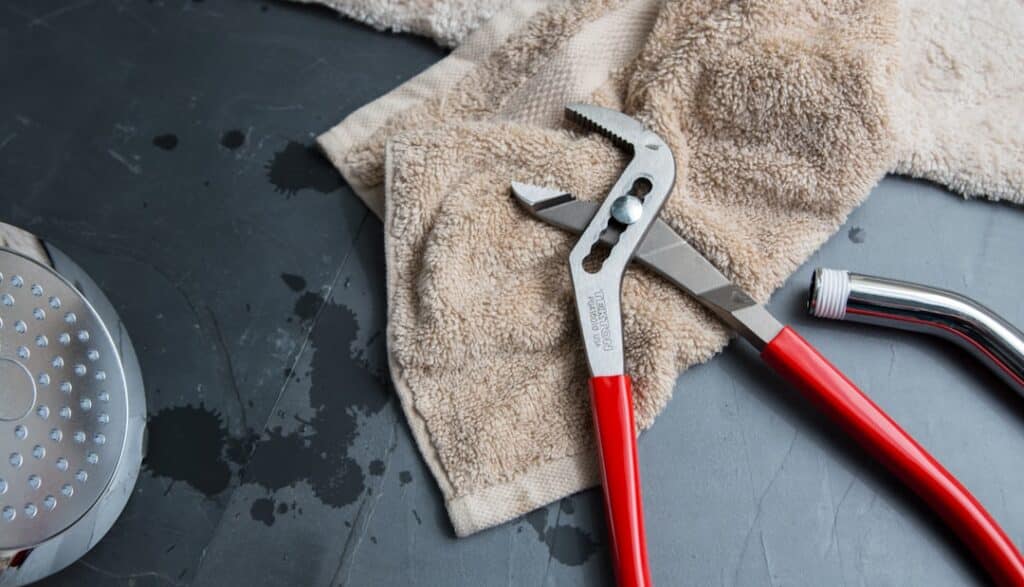
You own a home in Vistancia, Peoria, Arizona. This prestigious community offers a certain level of comfort and convenience, and a reliably hot shower is undoubtedly high on that list. But then it happens. The tell-tale trickle from your water heater, the unsettling rust-colored stains, or the unnerving silence where comforting warmth used to be. This isn’t the end of your world, but it certainly feels like an unwelcome interruption to your desert oasis lifestyle. This article aims to guide you through the potential issues you might face with your water heater in Vistancia, outlining common problems, troubleshooting steps, and the importance of professional intervention when necessary. Your domestic tranquility hinges on this vital appliance, and understanding its workings, even at a basic level, can save you time, money, and unnecessary stress.
Understanding the Anatomy of Your Water Heater
Before you can effectively address a problem, it’s helpful to understand what you’re dealing with. Most homes in Vistancia are equipped with either a traditional tank water heater or a tankless water heater. While their core function is the same – to heat water – their mechanisms and common failure points differ.
Traditional Tank Water Heaters: The Workhorse
These are the most prevalent type, characterized by a large cylindrical tank that stores heated water.
The Inner Workings
- The Tank: Constructed of steel and often lined with glass to prevent corrosion, this is where your water is held and heated.
- Heating Element (Electric) or Burner Assembly (Gas): This is the component responsible for raising the water temperature. Electric heaters have one or two elements immersed in the water, while gas heaters have a burner at the bottom.
- Thermostat: This device regulates the water temperature, signaling the heating element or burner to turn on or off.
- Anode Rod: This sacrificial rod is made of magnesium, aluminum, or zinc and is designed to corrode instead of the tank itself, prolonging its lifespan.
- Dip Tube: This tube directs incoming cold water to the bottom of the tank, preventing it from mixing with the already heated water at the top.
- Drain Valve: Located at the bottom of the tank, this allows for draining the tank for maintenance or complete replacement.
- Temperature and Pressure (T&P) Relief Valve: A crucial safety feature, this valve will open to release excess pressure or temperature if the thermostat fails.
Material Considerations in Vistancia’s Climate
While Vistancia enjoys a generally pleasant climate, the arid desert environment can still impact your water heater. Hard water, prevalent in many areas, can lead to mineral buildup (scale) within the tank, reducing efficiency and potentially causing damage over time. The dry heat can also contribute to the deterioration of seals and insulation.
Tankless Water Heaters: Efficiency and Innovation
These units heat water on demand, meaning they only operate when a hot water tap is turned on. They offer significant energy savings and a continuous supply of hot water.
The Technological Edge
- Heat Exchanger: This is the heart of the tankless system, where water flows through a series of pipes and is heated by a powerful burner.
- Ignition System: This initiates the heating process when a flow is detected.
- Water Flow Sensor: Detects when hot water is being used and activates the unit.
- Temperature Sensor: Monitors the water temperature as it passes through the heat exchanger.
- Ventilation System: Crucial for expelling combustion gases, these units typically have either power venting or atmospheric venting.
Specific Challenges for Tankless Systems in Peoria
Mineral buildup is a significant concern for tankless water heaters, especially in areas with hard water. Scale can clog the heat exchanger, reducing efficiency and potentially leading to premature failure. Furthermore, the sophisticated electronic components are susceptible to power surges or fluctuations.
If you’re considering a DIY approach to water heater repair, it’s essential to prioritize safety and use the right tools. For valuable insights on this topic, you can refer to a related article that discusses important safety precautions and proper tool usage. This information can be particularly useful for homeowners in Vistancia, Peoria, AZ, looking to tackle their water heater issues confidently. You can read more about it in this article: Safety Precautions and Proper Tool Usage.
Diagnosing the Dreaded Downturn: Common Water Heater Ailments
Regardless of whether you have a tank or tankless system, certain issues are more common than others. Identifying the symptoms early can simplify the repair process.
The Silence of the Lambs: No Hot Water
This is perhaps the most immediate and frustrating problem. The absence of hot water throws your daily routine into disarray.
For Traditional Tank Water Heaters:
- Pilot Light Out (Gas): The pilot light is the small flame that ignites the main burner. If it’s out, your burner won’t ignite.
- Possible Causes: Faulty thermocouple, draft, gas supply issue, clogged pilot assembly.
- Tripped Circuit Breaker or Blown Fuse (Electric): Electric water heaters require a dedicated circuit. If it’s tripped, the heating element won’t receive power.
- Possible Causes: Overload on the circuit, faulty heating element, short circuit.
- Heating Element Failure (Electric): The upper or lower heating element can burn out over time.
- Possible Causes: Age, mineral buildup, electrical surge.
- Thermostat Malfunction: If the thermostat isn’t functioning correctly, it won’t signal the heating element or burner to activate.
- Possible Causes: Age, electrical failure, dirt accumulation.
- Sediment Buildup: Excessive sediment at the bottom of the tank can insulate the water from the heating element or burner, causing it to overheat and shut off.
For Tankless Water Heaters:
- Ignition Failure: The unit may not be igniting the burner when hot water is demanded.
- Possible Causes: Faulty igniter, clogged gas orifice, igniter wire issue, air intake obstruction.
- Flow Sensor Malfunction: The unit might not be detecting the flow of water, preventing it from activating.
- Possible Causes: Debris in the flow sensor, faulty sensor.
- Ventilation Blockage: If the intake or exhaust vents are blocked, the unit will shut down for safety.
- Possible Causes: Nesting birds, debris, ice buildup (in colder months, though less common in Vistancia).
- Error Codes: Modern tankless units often display error codes on a digital display. Consulting your manual is crucial here.
- Possible Causes: Wide range of issues from sensor failures to overheating.
The Subtle Drip and The Ominous Stain: Leaks and Water Damage
A slow, persistent drip or a more significant leak can be a precursor to a major failure. Early detection is key.
Common Leak Sources in Tank Water Heaters:
- Drain Valve: A faulty drain valve can leak.
- Possible Causes: Worn gasket, overtightening, corrosion.
- Inlet/Outlet Connections: The pipes connecting your home’s plumbing to the water heater can develop leaks.
- Possible Causes: Loose fittings, corroded pipes, worn-out pipe sealant.
- T&P Relief Valve: If this valve is slowly dripping, it could indicate excessive pressure or a faulty valve.
- Possible Causes: High water pressure, corroded valve seat.
- Tank Itself: A leak from the body of the tank is a serious issue, often indicating internal corrosion.
- Possible Causes: Age, corrosion of the tank lining, excessive sediment buildup damaging the tank.
Leak Points in Tankless Water Heaters:
- Water Inlet/Outlet Connections: Similar to tank units, these connections are susceptible to leaks.
- Heat Exchanger: A leak from the heat exchanger itself is a serious internal problem.
- Possible Causes: Corrosion, cracks due to freezing (rare in Vistancia), manufacturing defects.
- Condensate Drain (Condensing Models): Condensing tankless heaters produce a condensate that needs to be drained. A blockage or leak in this system can cause issues.
The Gurgling, The Hissing, The Strange Sounds
Your water heater might not always be silent in its distress. Unfamiliar noises can be indicators of underlying problems.
Sounds Emanating from Tank Water Heaters:
- Popping or Rumbling: This is often caused by sediment buildup at the bottom of the tank. When the water is heated, steam bubbles form under the sediment layer, creating these noises.
- Possible Solutions: Flushing the tank.
- Hissing: This could indicate a leak, particularly if it’s accompanied by moisture.
- Possible Causes: Leaking internal components, T&P valve issue.
- Knocking or Banging: This can sometimes result from the “water hammer” effect in your plumbing, or it could be the heating element expanding or contracting.
Sounds from Tankless Water Heaters:
- Clicking or Chattering: This is often normal during the ignition sequence but persistent or unusual clicking could indicate an issue with the igniter or gas valve.
- Hissing: Similar to tank heaters, this could signal a leak, especially from the heat exchanger.
- Whistling: This can sometimes be caused by air in the system or mineral deposits within the heat exchanger.
The Cloudy Outlook: Discolored or Smelly Water
The quality of your hot water is as important as its temperature. Changes in its appearance or odor are warning signs.
Cloudiness or Sediment in Hot Water:
- For Tank Water Heaters: This is almost always a sign of sediment buildup within the tank.
- Possible Causes: Hard water, infrequent flushing of the tank.
- For Tankless Water Heaters: While less common, a failing heat exchanger or issues with internal components could cause cloudiness.
Foul Odors in Hot Water:
- Sulfur or Rotten Egg Smell: This is typically caused by a chemical reaction involving the anode rod and bacteria (sulfur-reducing bacteria) in the water. This is more common in tank water heaters.
- Possible Causes: Depleted anode rod, stagnant water, presence of certain bacteria.
- Metallic or Rusty Smell: This can indicate corrosion within the tank or pipes.
- Possible Causes: Corroding tank lining, old plumbing.
DIY Troubleshooting: When to Take the Plunge (and When Not To)
Some minor issues can be addressed with a bit of basic knowledge and the right tools. However, it’s crucial to understand your limits and when to call in a professional.
Basic Steps for No Hot Water (Tank Heaters):
- Check the Power Source: For electric heaters, ensure the circuit breaker is not tripped. For gas heaters, verify that the gas valve is open and the pilot light is lit.
- Thermostat Adjustment: Gently adjust the thermostat setting. Sometimes it can get bumped or malfunction slightly.
- Visual Inspection: Look for any obvious leaks or damage around the unit.
Basic Steps for No Hot Water (Tankless Heaters):
- Check for Error Codes: Refer to your owner’s manual.
- Inspect Vents: Ensure intake and exhaust vents are clear of obstructions.
- Check Water Flow: Make sure hot water is being demanded at a sufficient flow rate to activate the unit.
Addressing Minor Leaks:
- Tighten Fittings: If a leak is coming from an inlet or outlet connection, a gentle tightening of the fitting might resolve it. Exercise caution not to overtighten.
- Inspect Drain Valve: If the drain valve is leaking, it may require replacement.
Flushing a Tank Water Heater:
This is a common maintenance task that can address sediment issues.
- Turn off Power/Gas: Crucial safety step.
- Connect Hose: Attach a garden hose to the drain valve.
- Open Hot Water Faucet: This allows air to enter the tank.
- Open Drain Valve: Drain the tank completely.
- Flush: Open the cold water supply valve briefly to flush out any remaining sediment.
- Close Valve and Remove Hose: Reconnect and refill the tank before restoring power/gas.
Important Disclaimer: If you are uncomfortable with any of these steps, or if the problem seems complex, do not hesitate to call a qualified technician. Working with electricity, gas, and water can be dangerous if not done correctly.
The Art of Professional Intervention: When to Call Vistancia’s Finest
There comes a point when DIY efforts are no longer sufficient, or when the risk of further damage outweighs the potential savings. In Vistancia, as anywhere else, having reliable plumbing professionals at your disposal is essential for water heater repairs.
Recognizing the Tipping Point:
- Persistent No Hot Water: If basic troubleshooting doesn’t resolve the issue.
- Significant Leaks: Any leak that is substantial or originating from the tank itself.
- Strange Sounds: If noises are loud, persistent, or indicate potential internal damage.
- Discolored or Smelly Water: Especially if these issues persist after flushing.
- Age of the Unit: Most tank water heaters have a lifespan of 8-12 years. If yours is nearing this age and experiencing problems, replacement might be more cost-effective than repair. Tankless units can last longer, but still have a finite lifespan.
- Safety Concerns: If you suspect a gas leak or a malfunctioning T&P valve.
The Value of a Local Professional in Vistancia:
- Familiarity with Local Conditions: Technicians who regularly service Vistancia homes will be aware of common water quality issues, building codes, and typical appliance installations in the area.
- Prompt Service: In a community like Vistancia, timely repairs are often expected. Local professionals can often respond faster.
- Expert Diagnosis: They possess the knowledge and tools to accurately diagnose complex problems.
- Proper Tools and Parts: They have access to specialized tools and genuine replacement parts.
- Warranty and Guarantees: Reputable companies offer warranties on their labor and parts, providing peace of mind.
- Safety Assurance: Professionals are trained to handle the intricacies of gas and electrical systems safely.
What to Look for in a Vistancia Water Heater Specialist:
- Licensing and Insurance: Ensure they are properly licensed and insured.
- Experience: Look for companies with a proven track record of water heater repairs in Peoria.
- Customer Reviews: Check online reviews and testimonials.
- Transparent Pricing: Request a detailed quote before work begins.
- Emergency Services: Many companies offer 24/7 emergency services, which can be invaluable.
If you’re looking for insights on plumbing services that can complement your water heater repair needs, you might find this article on the best plumbing service in McKinney, Texas, quite helpful. It offers valuable tips and information that can enhance your understanding of plumbing issues and solutions. For more details, check out the article here.
The Trilogy of Repair: Prevention, Troubleshooting, and Professionalism
The “Water Heater Repair Trilogy at Vistancia Peoria AZ” isn’t just a catchy phrase; it’s a comprehensive approach to maintaining this vital appliance. It encompasses understanding your unit, being able to identify and address common issues, and knowing when to entrust the job to experienced professionals.
I. Prevention: The First Act of Proactive Homeownership
- Regular Maintenance: Schedule annual inspections. This is akin to regular check-ups for your car. A technician can spot potential problems before they escalate.
- For Tank Heaters: Flushing the tank annually (or more often if you have hard water) is crucial to remove sediment. Inspecting the anode rod and replacing it when depleted can significantly extend the tank’s life.
- For Tankless Heaters: Descaling and flushing the heat exchanger annually is vital, especially in hard water areas. Ensure vents are clean and unobstructed.
- Water Softener: If you have hard water, consider installing a water softener. This will reduce mineral buildup in your water heater and other plumbing fixtures.
- Temperature Setting: While higher temperatures provide hotter water, they also increase the risk of scale buildup and can lead to higher energy bills. Setting your thermostat to 120°F (49°C) is generally recommended for safety and efficiency.
- Know Your Unit: Familiarize yourself with your water heater’s make, model, and warranty information. Keep your owner’s manual handy.
II. Troubleshooting: The Second Act of Informed Response
As detailed in the previous sections, understanding the common symptoms and their potential causes allows you to engage in basic troubleshooting. This can sometimes resolve minor issues or at least provide valuable information to a professional when you do call for assistance.
- Gather Information: Before calling a technician, note down the symptoms you’re experiencing, when they started, and any troubleshooting steps you’ve already taken. This information can help them diagnose the problem more efficiently.
III. Professionalism: The Final Act of Expert Resolution
When prevention and troubleshooting aren’t enough, or when dealing with complex or potentially dangerous issues, professional intervention is paramount.
- Choosing Wisely: Selecting a reputable and experienced plumbing company in the Peoria area is crucial for effective and safe repairs.
- Open Communication: Maintain clear communication with the technician throughout the repair process. Ask questions and ensure you understand the diagnosis and the proposed solution.
- Consider Replacement: If your water heater is old, frequently breaking down, or if the cost of repair is approaching the cost of a new unit, it might be more practical to invest in a new, more efficient model.
By embracing this three-pronged approach – prevention, informed troubleshooting, and professional expertise – you can ensure the reliable operation of your water heater, maintaining comfort and peace of mind within your Vistancia home. The seemingly mundane water heater is, in fact, a cornerstone of modern living, and its proper care is an investment in your daily comfort and the overall value of your property.
FAQs
What are the common water heater issues in Trilogy at Vistancia, Peoria, AZ?
Some common water heater issues in Trilogy at Vistancia, Peoria, AZ include leaks, lack of hot water, strange noises, and pilot light problems.
How can I tell if my water heater needs repair in Trilogy at Vistancia, Peoria, AZ?
You may need water heater repair if you notice leaks around the tank, rusty or discolored water, strange noises coming from the tank, or if you are experiencing a lack of hot water.
Who can I contact for water heater repair in Trilogy at Vistancia, Peoria, AZ?
You can contact licensed plumbers or HVAC professionals in Trilogy at Vistancia, Peoria, AZ for water heater repair services.
What are the benefits of timely water heater repair in Trilogy at Vistancia, Peoria, AZ?
Timely water heater repair can help prevent further damage, improve energy efficiency, and ensure a reliable supply of hot water in your home.
How can I maintain my water heater in Trilogy at Vistancia, Peoria, AZ to prevent future repairs?
To maintain your water heater in Trilogy at Vistancia, Peoria, AZ, you can flush the tank annually, check for leaks and rust, and have it inspected by a professional regularly.