When it comes to plumbing systems piping plays a crucial role in transporting water gas or other fluids throughout a building. Piping is essentially the network of tubes that allows for the flow of water in and out of a building as well as the disposal of waste water. Without proper piping a plumbing system would not be able to function effectively.
Types of Piping
There are various types of piping used in plumbing systems each serving different purposes and being made of different materials. Some common types of piping include –
- CPVC piping – Chlorinated polyvinyl chloride piping is commonly used for hot and cold water distribution.
- PVC piping – Polyvinyl chloride piping is used for drainage and vent systems.
- Copper piping – Copper piping is often used for water supply lines due to its durability and resistance to corrosion.
- PEX piping – Cross linked polyethylene piping is flexible and easy to install making it popular for residential plumbing.
Functions of Piping
Piping serves several important functions in a plumbing system –
- Supply water – Piping delivers fresh clean water to different fixtures in a building for drinking washing and other purposes.
- Drain waste – Piping carries waste water and sewage away from the building to the sewer system or septic tank for disposal.
- Gas distribution – Some piping systems are used to transport natural gas or propane for heating and cooking purposes.
- Heating and cooling – Piping can also be used to distribute hot water or steam for heating systems as well as chilled water for cooling systems.

Installation of Piping
Proper installation of piping is critical to ensuring a plumbing system functions correctly. Piping should be installed by trained professionals who follow building codes and regulations to ensure safety and efficiency. The installation process typically involves the following steps –
- Planning the layout – The plumber will determine the best route for the piping to ensure proper flow and accessibility.
- Measuring and cutting – The pipes will be measured and cut to the correct length before being fitted together with connectors.
- Securing the pipes – Piping needs to be securely fastened to walls or ceilings to prevent movement and potential damage.
- Testing for leaks – Once the piping is installed the plumber will test the system for leaks and make any necessary adjustments.
Maintenance of Piping
Regular maintenance of piping is essential to prevent leaks clogs and other plumbing issues. Some tips for maintaining piping include –
- Inspecting for leaks – Check for any signs of leaks such as water stains or dampness and address them promptly.
- Clearing clogs – Use a plunger or plumbing snake to clear any clogs in drains or pipes.
- Checking for corrosion – Look for signs of corrosion on metal pipes and address any issues before they worsen.
- Flushing the system – Periodically flush the plumbing system to remove sediment and prevent buildup.
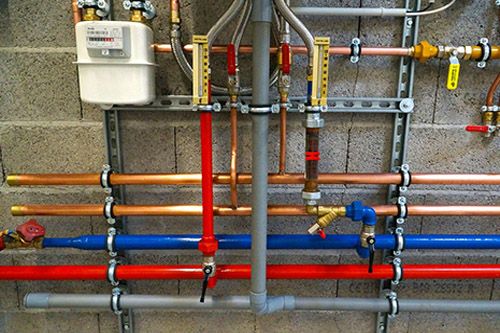
Piping is a vital component of a plumbing system that allows for the distribution of water gas and other fluids throughout a building. Understanding the different types of piping its functions installation process and maintenance is crucial for ensuring a plumbing system operates effectively and efficiently. By following proper installation and maintenance practices you can help extend the lifespan of your piping and prevent costly repairs in the future.