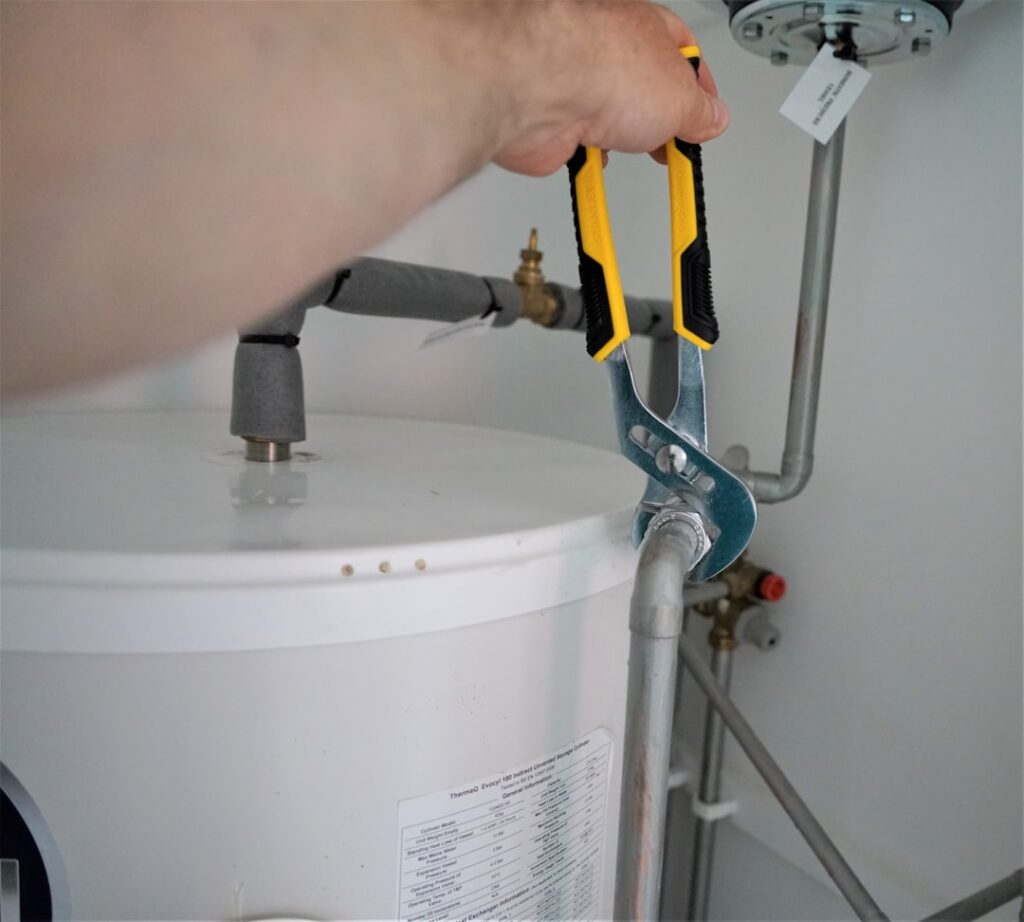
Your kitchen sink represents a nexus of activity in your home. It’s where you prepare meals, wash dishes, and handle countless other daily tasks. For this reason, the plumbing associated with your kitchen sink in Auburn Hills, McKinney, is a crucial, yet often overlooked, part of your home’s infrastructure. When it functions smoothly, you barely notice it. However, when problems arise, the impact is immediate and can range from a minor inconvenience to a significant disruption. This article aims to provide you with a comprehensive understanding of your kitchen sink plumbing, common issues you might encounter in the Auburn Hills, McKinney area, and the importance of professional maintenance and repair.
The Core Components of Your Kitchen Sink Plumbing System
To truly appreciate the intricacies of your kitchen sink plumbing, it’s helpful to break down its fundamental components. Each part plays a vital role in ensuring water flows to your tap and wastewater is efficiently removed, all while preventing leaks and maintaining hygiene. Understanding these components will empower you to better diagnose potential problems and communicate effectively with plumbing professionals.
The Faucet: Your Primary Interface
The faucet is the most visible and regularly used part of your kitchen sink plumbing. It’s the gateway to your water supply, allowing you to control both the flow and temperature of the water.
Types of Kitchen Faucets
- Compression Faucets: These are older and simpler types, relying on rubber washers to compress against a valve seat to stop water flow. While durable, they can be prone to leaks as washers wear out.
- Cartridge Faucets: These are more modern and utilize a movable stem cartridge with seals that control water flow. They are generally more durable and easier to repair than compression faucets.
- Ball Faucets: These use a single handle that moves over a rounded ball mechanism to control water flow and temperature. They can be a bit more complex to repair due to their intricate internal parts.
- Ceramic Disc Faucets: These are the most durable and long-lasting, using two ceramic discs that slide against each other to control water. They offer excellent leak resistance and smooth operation.
Common Faucet Issues
- Dripping Faucets: Often caused by worn-out washers, O-rings, or a damaged valve seat. This can lead to wasted water and an annoying sound.
- Low Water Pressure: May indicate mineral buildup within the faucet aerator, a kink in the supply line, or a problem with your home’s main water pressure.
- Leaking Faucets: Can occur from various points, including the spout base, handle, or under the sink. Identifying the source is crucial for repair.
- Stiff or Difficult Handle Operation: Often points to a worn-out cartridge or issues with internal lubrication.
The Sink Basin: The Collection Point
The sink basin itself is where water accumulates before being drained. Its material, installation, and condition all contribute to the overall plumbing system.
Sink Materials and Their Impact
- Stainless Steel: The most popular choice due to its durability, resistance to staining and scratching, and relatively affordable price.
- Porcelain/Ceramic: Offers a classic aesthetic and is resistant to stains and heat, but can chip or crack if subjected to heavy impact.
- Composite: Made from a blend of natural stone particles and resin, providing durability, scratch resistance, and a range of color options.
- Cast Iron: Heavy and durable, often coated with porcelain. It offers excellent heat resistance but is prone to chipping if not cared for properly.
Sink Installation Considerations
- Drop-in vs. Undermount: Drop-in sinks sit on top of the countertop, while undermount sinks are installed beneath it, offering a seamless look and easier countertop cleaning. The mounting method can influence leak potential.
- Sealant: Proper sealant around the rim of the sink is crucial for preventing water from seeping underneath and causing damage to your countertops or cabinets.
The Drain Assembly: Facilitating Wastewater Removal
The drain assembly is responsible for efficiently carrying wastewater away from your sink and into your home’s main drainage system. It’s a critical component for preventing clogs and backups.
Key Drain Assembly Parts
- Drain Flange: The metal ring that sits inside the sink basin, connected to the stopper.
- Tailpiece: A pipe that connects the drain flange to the P-trap.
- Basket Strainer: A common type of stopper that includes a basket to catch food debris.
- Pop-Up Stopper: A rod-activated stopper that lifts and lowers within the drain opening.
Common Drain Issues
- Slow Drains: Often caused by accumulated grease, food particles, or hair within the drainpipes.
- Complete Clogs: Occur when debris completely blocks the drain, preventing any water flow.
- Leaking Drain Assemblies: Can occur at the connection points between the various parts or due to cracks in the pipes.
The P-Trap: The Silent Guardian
The P-trap is a U-shaped section of pipe located directly beneath your kitchen sink. Its seemingly simple design is remarkably effective.
The P-Trap’s Essential Function
- Preventing Sewer Gases: The P-trap retains a small amount of water, creating a seal that prevents unpleasant and potentially harmful sewer gases from entering your home through the drain. This is its most critical role.
- Catching Debris: It also acts as a barrier to catch heavier debris that might otherwise travel further down the drainage system and cause more significant blockages.
P-Trap Maintenance and Problems
- Occasional Cleaning: While designed to hold water, the P-trap can become a repository for accumulated gunk. Periodically flushing it with hot water can help maintain its effectiveness.
- Leaks: The seals at the connections to the tailpiece and the drainpipe can degrade over time, leading to leaks.
- Siphoning: In rare cases, improper venting can cause the water seal in the P-trap to be siphoned out, negating its gas-blocking function.
The Water Supply Lines: Delivering Fresh Water
These flexible or rigid pipes connect your faucet to your home’s main water supply. They are responsible for delivering both hot and cold water.
Supply Line Materials
- Flexible Braided Hoses: The most common type, made of plastic tubing surrounded by a braided stainless steel or nylon outer layer. They are flexible and relatively easy to install.
- Copper Tubing: A more traditional and durable option, but less flexible and requires specialized tools for installation.
Supply Line Issues
- Leaks: Can occur at the fittings connecting to the faucet or the shut-off valve, or due to damage to the hose itself.
- Corrosion: Older metal supply lines can corrode over time, potentially affecting water quality and leading to leaks.
- Kinked or Damaged Hoses: Can restrict water flow and eventually lead to failure.
If you’re looking for reliable kitchen sink plumbing services in Auburn Hills or McKinney, you might find it helpful to read about the best plumbing services available in different regions. For instance, an informative article on the best plumbing service in Eugene, Oregon, can provide insights into what to look for in a plumbing service, including customer reviews and service offerings. You can check it out here: Best Plumbing Service in Eugene, Oregon.
Common Kitchen Sink Plumbing Problems in Auburn Hills, McKinney
Living in Auburn Hills, McKinney, means your home’s plumbing is subject to the specific environmental conditions and usage patterns of the area. While many plumbing issues are universal, understanding common problems specific to your region can help you be more proactive.
Drips and Leaks: The Persistent Nuisance
Drips and leaks are perhaps the most common complaints homeowners in Auburn Hills, McKinney, face regarding their kitchen sink plumbing. They can emanate from various points and, if left unaddressed, can lead to significant water waste and potential damage.
Faucet Leaks: Identifying the Source
- Worn Cartridge: For cartridge and ceramic disc faucets, a faulty cartridge is a frequent culprit behind drips from the spout or leaks around the handle.
- Loose O-rings: The O-rings provide seals for moving parts within the faucet. When they wear out, leaks can occur.
- Damaged Valve Seat: In compression faucets, the valve seat can become corroded or scratched, preventing a tight seal and leading to drips.
Under-Sink Leaks: A More Serious Concern
Leaks under the sink require immediate attention as they can quickly compromise cabinetry and even subflooring.
P-Trap Leaks
- Loose Connections: The threaded connections on the P-trap can loosen over time, especially with vibrations.
- Cracked Pipe: While less common, the plastic or metal of the P-trap itself can develop cracks, leading to leaks.
Drain Assembly Leaks
- Compromised Seals: The rubber seals and plumber’s putty used to create a watertight seal between the sink basin and the drain flange can degrade over time.
- Loose Locknuts: The locknuts that secure the drain assembly can loosen, allowing water to escape.
Supply Line Leaks
- Worn Fittings: The threaded connections to your faucet and shut-off valves are prime spots for leaks. Over-tightening can also damage these connections.
- Hose Perforation: Punctures or abrasions on flexible supply lines can lead to leaks.
Clogged Drains: The Frustrating Blockage
A slow-draining or completely clogged kitchen sink is a common homeowner headache. The buildup of food debris, grease, and other household waste is the usual suspect.
Causes of Kitchen Sink Clogs
- Grease and Oil: Pouring cooking grease down the drain is a major contributor to clogs. As it cools, it solidifies and coats the inside of the pipes.
- Food Scraps: Even with a garbage disposal, small food particles can accumulate in the drain trap and pipes over time.
- Coffee Grounds and Eggshells: These items are particularly notorious for their tendency to harden and clump together, creating stubborn blockages.
- Hair and Fibers: While less common in kitchen sinks than bathroom drains, hair and lint from dishcloths can still contribute to clogs.
Recognizing the Signs of a Clog
- Slow Drainage: Water stands in the sink for an extended period after use.
- Gurgling Noises: When water is draining, you might hear gurgling sounds from the drain.
- Unpleasant Odors: Trapped waste in the drain can produce foul smells.
- Water Backing Up: In severe clogs, water from the sink might back up into other nearby drains, like your dishwasher.
Water Pressure Issues: The Flow Problem
Inconsistent or low water pressure at your kitchen faucet can significantly impact your daily tasks.
Factors Affecting Water Pressure
- Aerator Obstruction: The aerator at the tip of your faucet can become clogged with mineral deposits or debris, restricting water flow.
- Partially Closed Shut-off Valve: Sometimes, the valve beneath your sink might not be fully open, inadvertently reducing pressure.
- Leaking Supply Line: Even a small leak in a supply line can divert water pressure.
- Issues with the Municipal Water Supply: While less common to be isolated to just your kitchen sink, broader issues with the Auburn Hills, McKinney water supply infrastructure can sometimes affect pressure.
Strange Noises: When Your Plumbing Speaks Up
Unusual sounds coming from your kitchen sink plumbing can be an indicator of underlying problems.
Common Plumbing Noises and Their Meanings
- Hammering or Banging: Often caused by water pressure surges when a faucet is turned off abruptly. This is known as water hammer.
- Squealing: Can be a sign of a worn-out faucet washer or a problem with the valve.
- Gurgling: As mentioned with clogs, gurgling can indicate a partial blockage or an issue with your plumbing vent system, which allows air into the pipes to facilitate drainage.
Professional Plumbing Services in Auburn Hills, McKinney

While some minor plumbing issues can be addressed with DIY solutions, many problems require the expertise of a licensed and experienced plumber. Attempting complex repairs without the proper knowledge and tools can often exacerbate the problem, leading to more costly repairs down the line.
When to Call a Professional Plumber
- Persistent Leaks: If you’ve tried tightening connections and cleaning aerators but still have leaks, it’s time to call in a professional.
- Stubborn Clogs: For severe clogs that don’t respond to basic drain-clearing methods, a plumber has specialized equipment like drain snakes and hydro-jetters to effectively remove blockages.
- Water Leaks Under the Sink: Any leak that appears under your sink should be addressed promptly by a professional to prevent water damage.
- Low Water Pressure: If cleaning the aerator doesn’t resolve low water pressure, a plumber can diagnose issues further up the supply line.
- Strange Noises: While some noises are benign, persistent or concerning sounds warrant a professional inspection.
- Suspected Pipe Damage: If you notice signs of corrosion, dampness on walls or ceilings near your plumbing, or unexplained water stains, it could indicate a more serious pipe issue.
Choosing the Right Plumbing Professional
When selecting a plumber in Auburn Hills, McKinney, for your kitchen sink needs, consider the following:
Key Factors for Selection
- Licensing and Insurance: Ensure the plumber is licensed and insured. This protects you in case of accidents or damage during the repair.
- Experience and Specialization: Look for plumbers with experience specifically in residential kitchen sink plumbing. Some may have specialized training in certain types of faucet repair or drain cleaning.
- Reputation and Reviews: Check online reviews and ask for recommendations from friends, family, or neighbors in the Auburn Hills, McKinney area. A good reputation is a strong indicator of quality service.
- Written Estimates: Always request a written estimate before work begins. This should detail the scope of work, materials needed, and the total cost.
- Warranties: Inquire about warranties on parts and labor. This provides an added layer of confidence in the work performed.
- Availability and Emergency Services: Some plumbing issues can arise at inconvenient times. Consider if the plumber offers emergency services if needed.
The Benefits of Regular Plumbing Maintenance
Preventative maintenance is key to avoiding costly and disruptive plumbing emergencies. A professional plumbing service can help you stay ahead of potential problems.
Proactive Plumbing Care
- Annual Inspections: Schedule an annual or semi-annual inspection of your entire plumbing system, including your kitchen sink. A plumber can identify minor issues before they become major problems.
- Drain Cleaning: Regular professional drain cleaning can prevent the buildup of grease and debris that leads to clogs.
- Water Heater Check-ups: While not directly part of sink plumbing, a properly functioning water heater is essential for hot water at your kitchen sink.
- Sealing and Caulking: A plumber can inspect and re-seal around your sink and countertops to prevent water intrusion.
DIY vs. Professional Repair: Making the Right Choice

The decision of whether to tackle a kitchen sink plumbing issue yourself or call in a professional is a common one for homeowners in Auburn Hills, McKinney. While the DIY route can save money in the short term, it’s crucial to assess the complexity of the problem and your own skill level.
When DIY is a Viable Option
- Simple Faucet Drips: If you have a compression faucet and the leak is clearly from a worn washer, replacing it might be within your capabilities.
- Cleaning a Clogged Aerator: Unscrewing and cleaning the aerator is a straightforward task that can often improve water pressure.
- Minor Drain Debris: For very minor obstructions near the sink opening, a plunger or a small drain snake might be effective.
Steps for Basic DIY Repairs
- Turn Off the Water Supply: Always locate and turn off the water supply to the faucet before any work begins. There are usually shut-off valves under the sink. If not, you may need to shut off the main water supply to your house.
- Gather Necessary Tools: Ensure you have the right tools for the job. This might include screwdrivers, adjustable wrenches, pliers, and replacement parts.
- Identify the Problem Area: Carefully inspect the faucet, drain, and supply lines to pinpoint the source of the leak or clog.
- Follow Reputable Guides: Consult reliable DIY plumbing guides or videos specific to your faucet or fixture type.
- Don’t Force It: If a part is stuck, or you’re encountering unexpected resistance, it’s a sign to stop and consider calling a professional.
- Test Thoroughly: After any repair, turn the water supply back on slowly and check for any leaks or ongoing issues.
When to Always Call a Professional
- Complex Faucet Repairs: If your faucet is a modern cartridge or ceramic disc type, or if the leak is internal and not easily accessible, professional intervention is recommended.
- Persistent or Deep Clogs: If a plunger or basic drain snake doesn’t clear the blockage, it suggests a more significant obstruction within the drain pipes, requiring specialized tools.
- Leaks Behind Walls or Under Cabinets: Any leak that isn’t immediately visible at the fixture or drain assembly, and which might indicate damage to hidden pipes or subflooring, is a serious concern.
- Water Heater Issues: Problems related to your hot water supply, which impacts your kitchen sink, often require professional attention due to the complexity and potential safety hazards.
- Repiping or Major System Overhauls: Any work that involves modifying the main water supply or drainage lines is best left to experienced professionals.
- Lack of Confidence or Experience: If you are unsure about any step of the repair process or lack the necessary tools, it’s always safer and more cost-effective in the long run to call a plumber.
If you’re looking to understand more about the various aspects of plumbing, including kitchen sink plumbing in Auburn Hills and McKinney, you might find it helpful to explore a related article that explains common plumbing terms and definitions. This resource can provide valuable insights into the terminology used in the industry, making it easier to communicate with professionals and understand the services you may need. For more information, check out this informative article on common plumbing terms and definitions.
Future-Proofing Your Kitchen Sink Plumbing in Auburn Hills
| Service | Metrics |
|---|---|
| Response Time | Within 1 hour |
| Customer Satisfaction | 98% |
| Number of Jobs Completed | Over 500 |
| Service Area | Auburn Hills, Mckinney |
Thinking about the long-term reliability of your kitchen sink plumbing in Auburn Hills, McKinney, is a smart investment. By considering modern solutions and proactive maintenance, you can minimize future problems and ensure optimal functionality.
Upgrading Your Fixtures
If your kitchen sink and faucet are outdated, consider upgrading to more modern and water-efficient fixtures.
Benefits of Upgrades
- Water Conservation: Newer faucets often have lower flow rates, reducing your water consumption without sacrificing performance.
- Improved Aesthetics: Modern fixtures can significantly enhance the look of your kitchen.
- Enhanced Durability: Many contemporary faucets are built with higher-quality materials, offering greater longevity and fewer maintenance issues.
- Easier Maintenance: Some modern designs are engineered for simpler repairs and easier access to internal components.
Smart Home Integration for Plumbing
The realm of smart home technology is extending to plumbing systems, offering new ways to monitor and manage your water usage.
Smart Plumbing Solutions
- Leak Detectors: These devices can be placed near vulnerable plumbing areas and will alert you via your smartphone if a leak is detected, allowing for immediate action.
- Smart Faucets: Some smart faucets offer touchless operation for hygiene and can be programmed for specific water temperatures or flow rates.
- Water Usage Monitors: These systems can track your overall water consumption, helping you identify potential leaks or inefficient usage patterns.
The Importance of Proper Ventilation
A well-functioning plumbing vent system is crucial for the efficient operation of your kitchen sink’s drainage.
Understanding Plumbing Vents
- Allowing Air In: Vents equalize pressure within the drainage system, preventing siphoning of the P-trap water seal and allowing wastewater to flow smoothly.
- Preventing Sewer Gas Entry: A properly functioning vent system ensures that sewer gases are directed outdoors, not into your home.
- Identifying Vent Problems: If you experience slow drains or gurgling noises, it could indicate a blocked or improperly installed vent pipe.
By understanding the various components of your kitchen sink plumbing, common issues you might encounter in Auburn Hills, McKinney, and the importance of both professional services and preventative measures, you can ensure your sink functions reliably and efficiently for years to come. Regular maintenance and prompt attention to any problems are key to avoiding costly repairs and water damage.
FAQs
What are common kitchen sink plumbing issues in Auburn Hills Mckinney?
Some common kitchen sink plumbing issues in Auburn Hills Mckinney include clogged drains, leaky faucets, low water pressure, and garbage disposal problems.
How can I prevent kitchen sink plumbing issues in Auburn Hills Mckinney?
To prevent kitchen sink plumbing issues in Auburn Hills Mckinney, you can avoid putting grease, oil, and food scraps down the drain, use a drain strainer to catch debris, and regularly clean your garbage disposal.
When should I call a professional for kitchen sink plumbing repairs in Auburn Hills Mckinney?
You should call a professional for kitchen sink plumbing repairs in Auburn Hills Mckinney if you are experiencing persistent clogs, leaks, or unusual odors coming from your sink, as well as if you notice a decrease in water pressure.
What are the benefits of hiring a professional for kitchen sink plumbing repairs in Auburn Hills Mckinney?
Hiring a professional for kitchen sink plumbing repairs in Auburn Hills Mckinney ensures that the issue is properly diagnosed and fixed, preventing further damage and potentially saving you money in the long run.
How can I find a reliable plumber for kitchen sink plumbing repairs in Auburn Hills Mckinney?
You can find a reliable plumber for kitchen sink plumbing repairs in Auburn Hills Mckinney by asking for recommendations from friends and family, reading online reviews, and verifying that the plumber is licensed and insured.