
You’re standing in your orchard, the air thick with the promise of ripening fruit, or perhaps the damp, earthy smell of your meticulously cultivated land. But something is off. The irrigation lines, usually a reliable source of life, seem sluggish. Puddles linger longer than they should, and the telltale signs of waterlogged soil begin to appear, threatening the health of your valuable trees. You know it’s time to address the drainage, and in Allen, Texas, that means understanding the specific challenges and solutions for your orchard.
Your orchard isn’t just a plot of land; it’s a carefully managed ecosystem where every element plays a role in the success of your harvest. Drainage, or the lack thereof, can quickly become a significant bottleneck. In Allen, the soil composition and Texas weather patterns create a unique set of circumstances you need to be aware of to effectively maintain your orchard’s health.
Soil Composition in Allen, Texas
The ground beneath your trees isn’t uniform. Allen, like much of North Central Texas, can present a variety of soil types, each with its own drainage characteristics.
Clay-Rich Soils: The Common Culprit
Much of the soil in this region is characterized by a high clay content. Clay particles are fine and pack together tightly, which can severely restrict water infiltration and movement. When wet, these soils become heavy and impermeable, leading to pooling. When dry, they can harden and crack, creating a different set of problems. For your orchard, this means that even moderate rainfall can saturate the root zones, suffocating the roots and making them susceptible to disease.
The Impact of Clay on Root Health
Roots need oxygen, and waterlogged soil displaces that vital air. If your clay soil retains too much moisture, your fruit trees can develop root rot, a fungal disease that can be devastating. You might notice yellowing leaves, stunted growth, or even branch dieback as the roots struggle to absorb nutrients and water. This is a direct consequence of poor drainage in clay-heavy environments.
Seasonal Swelling and Shrinking
Clay soils also exhibit a tendency to swell when wet and shrink when dry. This constant movement can put stress on the root systems of your trees, potentially causing damage over time. It can also disrupt the stability of young saplings.
Loamy and Sandy Loam Variations
While clay is prevalent, you might also encounter areas with loam or sandy loam. These soils generally offer better drainage due to larger particle sizes and greater pore space. However, even in these soils, compacted layers or a high water table can still create drainage issues, especially after prolonged periods of rain.
The Benefits of Good Drainage in Loamy Soils
If you’re fortunate to have loamy soil, proper drainage is still crucial for maximizing its benefits. It allows for efficient nutrient uptake and promotes a healthy root environment. The key is to ensure that the natural drainage capacity isn’t compromised by other factors.
Identifying Soil Types in Your Orchard
To truly understand your drainage problem, you need to know your soil. A simple percolation test can give you a good indication. Digging a few test holes and observing how quickly water drains away can provide valuable insights. You can also consult local soil maps or agricultural extension services for more detailed information about your specific area.
Allen’s Climate and Rainfall Patterns
Texas weather is notorious for its unpredictability, and Allen is no exception. You’re likely accustomed to periods of drought punctuated by intense rainfall events. This cyclical nature of water availability puts significant pressure on your orchard’s drainage systems.
Intense Rainfall Events: The Most Immediate Threat
When a heavy downpour hits, your orchard’s ability to shed excess water becomes paramount. If your existing drainage infrastructure cannot cope with the volume, water will pool, creating the problems discussed earlier. Understanding the intensity and duration of typical rainfall events in Allen will help you assess the adequacy of your current systems.
Flash Flooding in Orchards
The flat or gently sloping terrain, combined with impermeable soils, can make your orchard susceptible to flash flooding during intense storms. This can wash away topsoil, damage young trees, and embed debris.
The Role of Seasonal Storms
Allen experiences distinct wet and dry seasons. During the wetter periods, consistent and effective drainage is absolutely essential to prevent saturation and its associated issues.
Periods of Drought: The Counterpoint
While waterlogged soil is a primary concern for drainage, a lack of effective drainage can also indirectly impact drought resilience. Poorly drained soils can hinder root development, making trees less able to access deeper water sources during dry spells.
Restricted Root Growth in Waterlogged Conditions
If your roots are constantly battling to survive in saturated soil, they won’t extend as deeply or broadly as they could in well-aerated conditions. This limits their capacity to tap into moisture reserves when the land dries out.
The Importance of a Healthy Root System for Drought Tolerance
A robust and healthy root system is your orchard’s best defense against drought. Proper drainage is a fundamental requirement for developing such a system.
Understanding Orchard Drainage Principles
Before you start digging, it’s important to grasp the fundamental principles of why drainage is so critical for fruit trees and how it works.
The Oxygen Requirement of Roots
Tree roots, like all living plant tissues, require oxygen for respiration. When soil pores are filled with water, oxygen is displaced. Prolonged periods of anaerobic conditions (lack of oxygen) can lead to root suffocation, rot, and ultimately, tree death.
Aerobic Respiration: The Engine of Root Health
Roots constantly respire, breaking down sugars to produce energy. This process requires oxygen. Without adequate oxygen, this vital function ceases, and the roots begin to die.
Anaerobic Respiration: A Sign of Distress
In the absence of oxygen, roots can attempt a less efficient process called anaerobic respiration. This produces toxic byproducts that can further damage the roots and the tree.
Nutrient Uptake and Waterlogged Soils
Waterlogged soils not only deprive roots of oxygen but also interfere with their ability to absorb essential nutrients. The chemical processes involved in nutrient availability and uptake are significantly altered in saturated conditions.
Leaching of Nutrients
Excessive water movement through the soil can wash away valuable nutrients, making them unavailable to your trees. This is particularly problematic after heavy rains.
Reduced Microbial Activity Essential for Nutrient Cycling
The soil is a complex ecosystem, and beneficial microbes play a crucial role in breaking down organic matter and releasing nutrients. Waterlogging disrupts this microbial activity, further impacting nutrient availability.
Disease Prevention in Well-Drained Orchards
Many common tree diseases, particularly fungal pathogens, thrive in damp, humid environments. Good drainage helps to create a less conducive environment for these pathogens to establish and spread.
Fungal Diseases and Their Dependence on Moisture
Root rot, blight, and various leaf spot diseases are often exacerbated by prolonged moisture on or in the soil. By removing excess water, you reduce the opportunities for these pathogens.
Creating a Less Hospitable Environment for Pests and Diseases
A healthy, well-nourished tree is generally more resistant to pests and diseases. Proper drainage contributes to overall tree health, indirectly aiding in disease prevention.
If you’re looking for effective drain cleaning services in the Orchards, Allen, Texas, it’s essential to understand the various plumbing types and their maintenance needs. A related article that provides valuable insights into popular plumbing types can be found here: What is the Most Popular Plumbing Type?. This resource can help you make informed decisions about your plumbing system and ensure that your drains are properly maintained.
Identifying the Signs of Poor Drainage in Your Allen Orchard
Recognizing the early indicators of inadequate drainage is crucial. The longer you wait to address these issues, the more significant the potential damage to your trees.
Visible Signs of Water Accumulation
The most obvious clue is standing water. If you notice puddles that persist for days after rain, or if certain areas of your orchard consistently remain waterlogged, it’s a clear red flag.
Lingering Puddles After Rain
Observe how long water remains visible on the surface of your orchard. If puddles are still present 24-48 hours after the rain has stopped, your drainage is likely compromised.
The Impact of Standing Water on Fruit Tree Canopies
Even if the roots aren’t completely submerged, standing water can create a microclimate of high humidity around the lower parts of the tree, encouraging fungal growth on the trunk and lower branches.
Saturated Soil Conditions
Beyond visible puddles, the soil itself may feel consistently saturated, even when it hasn’t rained recently. This indicates that water is not moving through the soil profile effectively.
The “Squish Test”
When walking through your orchard after a rain, pay attention to the feel of the ground. If your boots sink significantly or the soil releases a lot of water, it’s a sign of saturation.
Observing Water Seepage
In some cases, you might notice water seeping out from the ground surface, particularly in low-lying areas of your orchard.
Changes in Tree Health and Growth
Your fruit trees will often be the first to show the detrimental effects of poor drainage. A decline in their vigor can be directly linked to waterlogged root systems.
Yellowing or Drooping Leaves
Unexplained yellowing of leaves (chlorosis) or leaves that appear to be wilting in otherwise adequate moisture conditions can be an early sign of root stress due to lack of oxygen.
Premature Leaf Drop
If your trees start dropping leaves significantly earlier than their normal cycle, it can be a symptom of root damage and overall tree decline.
Stunted Growth and Reduced Fruit Production
A tree struggling with its root system will not have the resources to grow vigorously or produce a bountiful harvest. You might notice smaller than usual fruit, fewer fruits, or a general lack of new growth.
Decreased Vigour in Young Trees
Younger trees, still establishing their root systems, are particularly vulnerable. Stunted growth in saplings is a significant indicator that they are not receiving adequate conditions.
Reduced Flower and Fruit Set
If your trees are not producing as many blossoms or setting as much fruit as in previous years, it could be a consequence of root stress caused by poor drainage.
Increased Susceptibility to Pests and Diseases
As mentioned earlier, stressed trees are more vulnerable. If you observe a sudden increase in pest infestations or the appearance of diseases you haven’t dealt with before, poor drainage might be a contributing factor.
Root Rot Symptoms
Look for signs of decay at the base of the trunk, discolored bark, or a general sickly appearance of the tree. Root rot is a direct consequence of prolonged saturation.
Fungal Infections on Foliage and Branches
Increased incidence of leaf spots, blights, or mildew can be linked to the humid microclimate created by poor drainage.
Signs of Soil Compaction and Erosion
Poor drainage can often be a symptom or a cause of other soil-related problems, such as compaction and erosion.
Soil Compaction Indicators
Heavy, waterlogged soils can become compacted over time, further hindering drainage. You might notice a hardpan layer that prevents water from percolating deeper.
Difficulty Driving Stakes or Tools into the Ground
If it’s unusually difficult to push stakes into the soil for tree supports or to dig with simple tools, it can indicate severe soil compaction.
Evidence of Soil Erosion
When water cannot penetrate the soil effectively, it tends to run off the surface, carrying valuable topsoil with it. Look for signs of erosion, especially on slopes.
Gullying and Exposed Tree Roots
Severe erosion can lead to the formation of small gullies, and in some cases, can expose the upper root structures of your trees.
Exploring Effective Drain Cleaning and Installation Methods

Addressing drainage issues in your Allen orchard requires a thoughtful approach, utilizing methods that are both effective and appropriate for your specific situation.
Surface Drainage Techniques
These methods focus on removing excess water from the surface of your land, preventing it from accumulating and saturating the soil.
Swales and Ditches
Creating shallow, broad ditches called swales or more formally constructed drainage ditches is a common and effective way to channel surface water away from your orchard. These should be designed to lead water to a safe discharge point, such as a natural watercourse or a designated drainage area.
Designing for Gentle Slopes
The key to effective swales and ditches is to maintain a gentle slope that encourages water flow without causing excessive erosion. Steep slopes can wash away valuable soil.
Maintaining Vegetation in Swales
Allowing grass or other suitable vegetation to grow in your swales can help prevent erosion and filter some of the sediment from the water.
French Drains
A French drain is a trench filled with gravel and a perforated pipe, designed to collect and redirect subsurface water. While often considered a subsurface drainage method, it can also be highly effective at intercepting surface runoff and channeling it away.
Placement and Depth Considerations
The effectiveness of a French drain depends on its strategic placement, typically along the perimeter of problem areas or where water tends to collect. Depth needs to be sufficient to intercept the perched water table.
The Role of Gravel and Filter Fabric
The gravel surrounding the perforated pipe acts as a filter and ensures water can flow into the pipe. Filter fabric is essential to prevent soil from clogging the gravel and pipe.
Land Grading and Shaping
In some cases, subtle changes in the land’s contour can make a significant difference. Carefully grading specific areas to create a gentle slope away from your trees can direct water to other drainage features.
Subtle Contour Adjustments
This doesn’t necessarily mean dramatic earth-moving. Even slight alterations to create a natural flow can be very effective.
Focusing on Low-Lying Areas
Identify the areas where water naturally pools and focus your grading efforts there to encourage water movement.
Subsurface Drainage Solutions
These methods address water that has already infiltrated the soil, providing pathways for it to move away from the root zone.
Perforated Pipe Drainage Systems
This is the most common and effective subsurface drainage method. A network of perforated pipes is buried underground to collect and carry away excess groundwater.
Layout Design for Maximum Effectiveness
The layout of your perforated pipe system will depend on the shape and topography of your orchard, as well as the location of the water source. A grid pattern or parallel lines are common.
Pipe Size and Spacing Recommendations
The diameter of the pipes and the distance between them are critical factors determined by the expected volume of water and the soil type. Consulting with a drainage professional is recommended for optimal design.
Installation Depth and Slope
Pipes need to be installed at a sufficient depth to intercept the water table and at a consistent, gentle slope to ensure gravity carries the water away.
Gravel-Filled Trenches with Pipe
Similar to French drains, these systems use trenches filled with gravel to facilitate water collection, but can be designed as part of a larger subsurface network.
The Advantage of Larger Aggregate
Using larger aggregate in these trenches can improve water flow and reduce the risk of clogging compared to finer gravel.
Combining Drainage Methods
Often, a combination of surface and subsurface drainage techniques yields the best results, creating a comprehensive system.
Cleaning and Maintaining Existing Drainage Systems
Even the best-designed drainage systems require regular maintenance to function effectively. Neglected systems can quickly become overwhelmed.
Regular Inspection of Ditches and Swales
Periodically walk your ditches and swales to check for debris, silt buildup, or blockages that could impede water flow.
Removing Obstructions
Leaves, branches, and accumulated sediment are common culprits that need to be removed to ensure clear passage for water.
Addressing Erosion within Drainage Channels
If you notice erosion within your ditches, it may require reinforcement with vegetation or smaller stones to prevent further degradation.
Cleaning Perforated Pipes and Catch Basins
Over time, sediment can enter perforated pipes and catch basins, reducing their capacity. Regular cleaning is essential.
Using High-Pressure Water Jetting
High-pressure water jetting is an effective method for flushing out sediment and debris from pipes.
Inspecting and Cleaning Catch Basins
Catch basins act as collection points for surface water before it enters the subsurface system. They need to be regularly inspected and cleaned to prevent them from becoming clogged.
Checking for Root Intrusion
Tree roots can infiltrate drainage pipes, causing blockages. Regular inspections can help identify and address this problem before it becomes severe.
Root Cutting Tools
Specialized root cutting tools can be used to sever intruding roots from pipes.
Considering Root Barriers
In areas prone to root intrusion, considering the installation of root barriers around drainage systems can be a proactive measure.
Professional Drainage Solutions for Your Allen Orchards
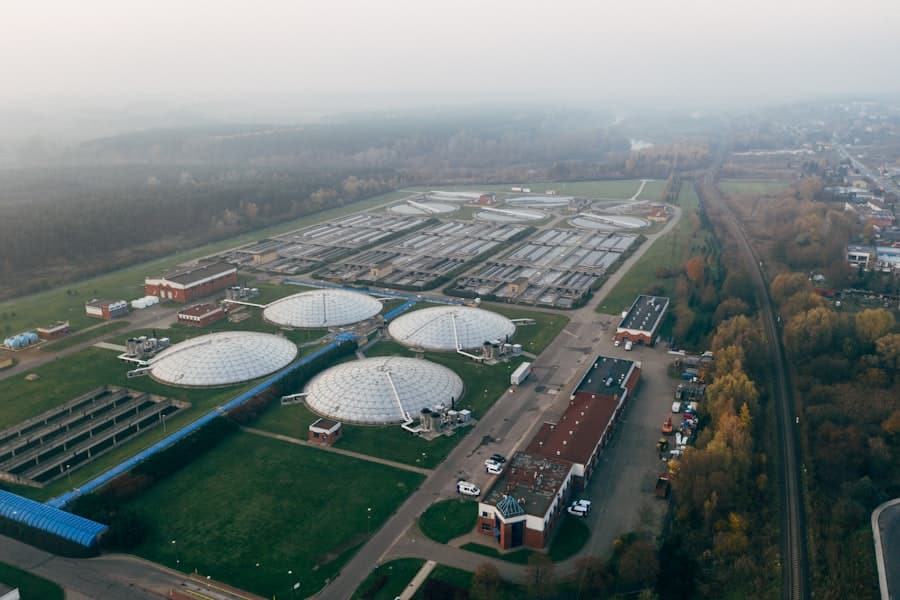
While DIY approaches can be effective for smaller issues, more significant drainage problems in an orchard often benefit from the expertise of professionals. They possess the knowledge, equipment, and experience to design and implement solutions that are both effective and sustainable.
When to Call a Professional Drainage Specialist
Recognizing when your drainage problem exceeds your DIY capabilities is a sign of good judgment. If you’re experiencing persistent issues, or if the problem affects a significant portion of your orchard, professional help is likely warranted.
Persistent Standing Water Despite Efforts
If you’ve attempted basic drainage solutions and are still seeing significant water accumulation, it indicates a more complex issue requiring expert assessment.
Assessing Soil Saturation Issues That Don’t Resolve
Even after rainfall stops, if your soil remains saturated for extended periods, it points to underlying drainage deficiencies that require professional intervention.
Large-Scale Orchard Drainage Needs
When an entire orchard, or a substantial portion of it, is affected by poor drainage, a comprehensive, professionally designed system is often the most efficient and effective solution.
Evaluating the Economic Impact of Drainage Issues
Consider the economic losses from reduced yields, damaged trees, and potential disease outbreaks. Investing in professional drainage can have a significant return in preventing these losses.
Identifying Complex Soil and Water Table Issues
Professionals can utilize specialized equipment and knowledge to accurately assess complex soil profiles, perched water tables, and underground obstructions that might be contributing to drainage problems.
Soil Borings and Geophysical Surveys
These advanced techniques can provide detailed information about subsurface conditions that are not visible from the surface.
Understanding Hidden Water Sources
Sometimes, drainage problems are exacerbated by unexpected underground water sources that require detailed investigation to resolve.
The Benefits of Professional Drainage Design and Installation
Hiring a professional drainage consultant or installation company offers several advantages that can save you time, money, and frustration in the long run.
Accurate Diagnosis of the Problem
Professionals can accurately identify the root cause of your drainage issues, whether it’s soil type, topography, or an underlying water table problem.
Comprehensive Site Assessment
They will conduct a thorough review of your orchard, including soil tests, contour mapping, and an assessment of existing drainage features.
Understanding Subsurface Hydrology
Professionals have the expertise to understand how water moves beneath the surface and how to best manage it.
Tailored Drainage System Design
Based on their assessment, professionals will design a drainage system specifically for your orchard’s needs, taking into account factors like tree spacing, soil type, and local rainfall patterns.
Engineering Drawings and Plans
You will receive detailed plans that outline the layout, materials, and specifications for your drainage system.
Incorporating Best Practices and Local Regulations
Professionals are aware of local building codes and environmental regulations that may apply to drainage projects.
Efficient and Effective Installation
With specialized equipment and experienced crews, professional installers can ensure that your drainage system is installed correctly and efficiently, minimizing disruption to your orchard.
Minimizing Damage to Existing Trees
Experienced crews will know how to work around your existing trees, minimizing root disturbance and damage during installation.
Using Appropriate Equipment for the Job
They will have access to the necessary excavators, trenchers, and other equipment to complete the installation effectively.
Long-Term Durability and Performance
A professionally designed and installed drainage system is built to last, providing reliable performance for years to come, ensuring the continued health and productivity of your orchard.
Warranty and Guarantees
Reputable drainage companies often offer warranties on their work and materials, providing you with peace of mind.
Creating a Sustainable Drainage Solution
Professionals aim to create systems that are not only effective but also environmentally sound and sustainable for your orchard.
Common Technologies and Tools Used by Professionals
Drainage specialists employ a range of tools and technologies to diagnose and solve drainage problems.
Soil Testers and Groundwater Monitoring Equipment
These tools help professionals understand the soil’s permeability and the behavior of the groundwater table.
Permeability Testing Devices
These devices measure how quickly water can move through the soil, providing crucial data for system design.
Piezometers for Groundwater Level Measurement
Piezometers are installed in boreholes to precisely measure the height of the groundwater table.
Laser Leveling and Grading Equipment
For projects requiring precise grading, professionals use laser leveling equipment to ensure accurate slopes and contours.
Ensuring Consistent Drainage Gradients
Laser leveling guarantees that water will flow consistently across the land as intended.
GPS and GIS Mapping Tools
These technologies are used for surveying, planning, and documenting drainage projects, particularly in larger orchards.
Accurate Site Mapping and Data Collection
GPS and GIS tools allow for precise mapping of existing features and the proposed drainage network.
Creating Detailed Project Records
These tools help in generating accurate as-built drawings for future reference and maintenance.
If you’re looking for effective solutions for drain cleaning in the Orchards area of Allen, Texas, you might find it helpful to explore related plumbing services that can assist with various issues. For instance, a comprehensive article on plumbing services in Eugene, Oregon, offers insights into best practices and techniques that can be beneficial for homeowners everywhere. You can read more about these services and how they can help maintain your plumbing system by visiting this informative article.
Proactive Drainage Management for Orchard Longevity
| Service | Metrics |
|---|---|
| Number of drains cleaned | 50 |
| Time taken for cleaning | 2 hours |
| Customer satisfaction rate | 95% |
| Issues resolved | 100% |
Drainage isn’t a one-time fix; it’s an ongoing aspect of orchard management. Implementing proactive measures ensures your drainage systems remain effective and your trees thrive for years to come.
Regular Orchard Walkthroughs and Monitoring
Make it a habit to regularly walk through your orchard, especially after significant rainfall events, to observe its drainage performance. This allows you to catch potential problems early.
Scheduled Maintenance Inspections
Incorporate drainage system checks into your regular orchard maintenance schedule. Aim for at least quarterly inspections, with more frequent checks during rainy seasons.
Creating a Drainage Inspection Checklist
Develop a checklist that includes inspecting swales, ditches, catch basins, and areas prone to settling or erosion.
Documenting Observations
Keep a record of your observations, including the date, location of any issues, and the actions taken. This documentation can be invaluable for tracking problem areas and system performance over time.
Integrating Drainage into Orchard Planning and Design
When establishing a new orchard or replanting an existing one, incorporating drainage considerations from the outset is far more efficient and cost-effective than addressing problems later.
Site Selection with Drainage in Mind
Even before planting, assess potential sites for their natural drainage characteristics. Avoid areas known to have persistent waterlogging issues unless you plan for extensive drainage work.
Analyzing Topography and Soil Maps
Use existing topographic maps and soil surveys to identify areas with poor drainage potential.
Considering Neighboring Land Use
Understand how surrounding properties might impact drainage on your land, such as upstream water flow.
Designing Planting Layouts for Drainage
The layout of your trees and irrigation systems can influence drainage. Consider how water will flow around rows and how irrigation runoff will be managed.
Strategic Tree Spacing
Adequate spacing between trees can improve air circulation and reduce the impact of saturated soil on adjacent root systems.
Planning for Drainage Pathways within Rows
Design your rows so that they don’t impede natural water flow and incorporate provisions for draining water that accumulates within them.
Long-Term Strategies for Soil Health and Drainage
Beyond immediate drainage solutions, focusing on building healthy soil is a fundamental strategy for improving long-term water infiltration and management.
Improving Soil Structure Through Organic Matter
Incorporating organic matter into your soil, such as compost or cover crops, can significantly improve its structure, creating a more porous environment that allows for better water infiltration and aeration.
Cover Cropping for Soil Improvement
Planting cover crops between rows or during fallow periods can help to break up compacted soil, add organic matter, and improve overall soil health.
Application of Compost and Mulch
Regularly adding well-rotted compost and applying organic mulch around your trees can enhance soil structure and water retention.
Minimizing Soil Compaction from Equipment and Traffic
Heavy machinery and regular traffic can compact orchard soil, hindering drainage. Implement strategies to minimize this impact.
Strategic Use of Traffic Patterns
Designate specific paths or zones for machinery to operate in, avoiding areas where trees are densely planted.
Utilizing Lighter Equipment When Possible
Whenever feasible, opt for lighter weight equipment that exerts less pressure on the soil.
Aeration Techniques
In severely compacted areas, consider mechanical aeration to break up hardpans and improve water penetration.
Staying Informed and Connected
The world of orchard management and drainage techniques is constantly evolving. Staying informed and connected with local resources can provide valuable support and knowledge.
Consulting with Local Agricultural Extension Services
Your local Texas A&M AgriLife Extension office can be an invaluable resource for information on soil science, drainage, and best practices for fruit tree cultivation in your region.
Accessing Research and Local Expertise
They provide access to research-based information and connect you with local experts who understand the specific challenges of farming in North Texas.
Workshops and Educational Programs
Take advantage of any workshops or educational programs they offer related to soil management and water conservation.
Joining Local Orchard and Agricultural Associations
Connecting with other growers in your area can provide a wealth of practical knowledge and shared experiences.
Networking with Fellow Orchardists
You can learn about the drainage solutions that have worked for others in your area and gain insights into common issues.
Sharing Best Practices and Solutions
These associations often facilitate the sharing of best practices and innovative solutions for common agricultural challenges.
By understanding the specific drainage needs of your Allen orchard, recognizing the signs of problems, exploring effective solutions, and committing to proactive management, you can ensure healthy, productive fruit trees for years to come.
FAQs
What are the common causes of clogged drains in the Orchards Allen, Texas?
The common causes of clogged drains in the Orchards Allen, Texas include hair, soap scum, food particles, grease, and mineral build-up.
What are the signs that indicate a clogged drain in the Orchards Allen, Texas?
Signs of a clogged drain in the Orchards Allen, Texas include slow drainage, gurgling sounds, foul odors, and water backing up in sinks or tubs.
What are the benefits of professional drain cleaning services in the Orchards Allen, Texas?
Professional drain cleaning services in the Orchards Allen, Texas can effectively remove stubborn clogs, improve drainage, prevent future clogs, and extend the lifespan of the plumbing system.
How often should drain cleaning be performed in the Orchards Allen, Texas?
It is recommended to have drain cleaning performed in the Orchards Allen, Texas at least once a year to prevent clogs and maintain the proper functioning of the plumbing system.
What are some preventive measures to avoid clogged drains in the Orchards Allen, Texas?
Some preventive measures to avoid clogged drains in the Orchards Allen, Texas include using drain strainers, avoiding pouring grease down the drain, and regularly flushing drains with hot water and vinegar.