
You’re a resident of Watters Crossing in Allen, Texas, and the whispers about pipe replacement have started to filter through the neighborhood. Perhaps you’ve seen notices, heard conversations at the local coffee shop, or even experienced a minor plumbing issue yourself that made you wonder about the integrity of your home’s water infrastructure. Whatever your situation, understanding the process, the implications, and what’s expected of you is crucial. This detailed guide aims to demystify pipe replacement in Watters Crossing, providing you with the information you need to navigate this necessary undertaking with confidence.
When you move into a home or a well-established neighborhood like Watters Crossing, you often don’t think twice about the pipes that deliver water to your faucets, showers, and appliances. They are largely out of sight and out of mind. However, like any part of a home’s infrastructure, pipes have a lifespan. Over time, they can degrade due to various factors, leading to potential problems that necessitate replacement.
The Aging Infrastructure of Watters Crossing
Watters Crossing, like many suburban communities developed in the latter half of the 20th century and early 21st century, often features homes built with materials that, while standard at the time, are now showing their age. Depending on the original construction dates, you might be dealing with pipes made from materials like:
Galvanized Steel Pipes
These pipes were common for decades due to their affordability and perceived durability. However, the zinc coating that protects the steel can eventually corrode and flake off, leading to rust and mineral buildup within the pipes. This not only restricts water flow but can also introduce iron into your water, causing discoloration and a metallic taste. Over time, the internal diameter of galvanized steel pipes can significantly reduce, impacting water pressure and eventually leading to blockages. The corrosion process can also make these pipes brittle, increasing the risk of leaks and bursts.
Copper Pipes
Copper is generally a more durable material than galvanized steel and offers better corrosion resistance. However, even copper pipes are not immune to the effects of time and the quality of your water. In some areas, aggressive water chemistry can lead to pinhole leaks or a gradual thinning of the pipe walls. Over decades, repeated expansion and contraction due to water temperature changes can also stress copper joints, leading to eventual failure.
Polybutylene Pipes (PB Pipes)
While less common in Watters Crossing than galvanized steel or copper, some earlier homes might have incorporated polybutylene piping. This material, popular in the 1970s and 1980s, was found to be incompatible with common disinfectants in municipal water supplies, like chlorine. The chemical reaction caused the pipes to become brittle and prone to leaks and bursts. If your home has PB pipes, replacement is often a high priority to avoid significant water damage.
Aging Joint Materials
Even if the main pipe material is still relatively sound, the materials used to join pipes together can degrade. Lead solder, used in older copper plumbing, is now recognized as a health hazard. Older types of plastic fittings or seals can also become brittle and fail over time, leading to leaks at the joints.
Signs You Might Need Pipe Replacement
Ignoring potential issues with your plumbing can lead to costly repairs and significant water damage. Being proactive and recognizing the signs of aging pipes can save you considerable stress and expense down the line.
Decreased Water Pressure
One of the most common indicators that your pipes might be reaching the end of their life is a gradual but noticeable decrease in water pressure throughout your home. This is often a result of internal corrosion and mineral buildup narrowing the passageways within the pipes. You might notice it more acutely when multiple water fixtures are in use simultaneously.
Discolored Water
If you frequently see rust-colored or brown water coming from your faucets, it’s a strong indication of corrosion within your galvanized steel pipes. This discoloration is due to the rust particles breaking off from the pipe walls. While sometimes discolored water can be a temporary issue related to municipal work, persistent discoloration points to an internal plumbing problem.
Water Leaks and Puddles
Even small, persistent leaks can be a harbinger of larger problems. If you’re noticing damp spots on walls or ceilings, puddles of water around fixtures, or a consistently damp basement or crawl space, it’s time to investigate your plumbing more thoroughly. These leaks can occur at pipe joints, or even as pinhole leaks directly through the pipe wall.
Strange Noises from Plumbing
While some plumbing noises are normal (like the gurgling of water going down a drain), persistent knocking, banging, or creaking sounds when water is running can indicate issues within the pipes themselves. This can be due to water hammer, where the sudden stoppage of water flow creates shockwaves, or to loose pipes that are vibrating against structural elements.
Foul Odors Emanating from Water
In some cases, aging pipes can harbor bacteria, leading to a sulfurous or rotten egg smell emanating from your tap water. This is particularly concerning for health and indicates a potential contamination issue within the plumbing system.
Increased Water Bills
A sudden and unexplained increase in your water bill can be a direct consequence of hidden leaks within your plumbing system. Even small, slow drips can add up significantly over a billing cycle.
The Importance of Proactive Replacement
While the idea of an entire pipe replacement might sound daunting and expensive, it’s often a far better investment than dealing with the cumulative damage and emergency repairs that can result from neglecting aging infrastructure.
Preventing Catastrophic Damage
A burst pipe can release a torrent of water, causing extensive damage to your home’s structure, interiors, and belongings. The cost of repairing water damage, mold remediation, and replacing damaged fixtures and finishes can far exceed the cost of a planned pipe replacement.
Ensuring Water Quality and Safety
As discussed, corroded pipes can leach contaminants into your drinking water, posing health risks. Replacing old pipes ensures that the water you and your family consume is clean and safe.
Restoring Optimal Water Flow and Pressure
Aging pipes can significantly impair your daily life by reducing water pressure. Whether it’s a weak shower or difficulty running multiple appliances, pipe replacement restores the robust water flow you expect.
Increasing Home Value
A home with updated plumbing is a significant selling point. If you’re considering selling your home in the future, proactively replacing your pipes can increase its market value and appeal to potential buyers.
If you’re considering pipe replacement in Watters Crossing, Allen, TX, it’s essential to understand the broader context of plumbing services and their importance in maintaining a healthy home. A related article that provides valuable insights into choosing the best plumbing service can be found here: Best Plumbing Service in Nashville, Davidson, Tennessee. This resource can help you make informed decisions about your plumbing needs and ensure you select a reliable service provider.
The Pipe Replacement Process for Watters Crossing Residents
Understanding the steps involved in a pipe replacement project is essential for managing expectations and preparing your household. This process typically involves several key phases, from assessment and planning to the actual replacement and restoration.
Initial Assessment and Diagnosis
Before any work begins, a qualified plumbing professional will need to assess the current state of your plumbing system. This is a critical first step to determine the scope of the project and the most effective approach.
Identifying Problematic Pipes
The plumber will conduct a thorough inspection, which may involve:
Visual Inspection
Checking visible pipes in basements, crawl spaces, and utility areas for signs of corrosion, leaks, or damage.
Water Pressure Testing
Measuring water pressure at various points in the system to identify areas of reduced flow.
Camera Inspections
Using specialized cameras, the plumber can snake a camera through your existing pipes to get a clear view of their internal condition, identifying blockages, cracks, or significant corrosion. This is particularly useful for underground pipes.
Dye Testing
To pinpoint specific leak locations, especially in underground lines, dye can be introduced into the water system, and its presence can be observed in areas of leakage.
Determining the Scope of Work
Based on the assessment, the plumber will determine which pipes need to be replaced. This could range from a section of the main water line to the entire network of pipes within your home, including hot and cold water lines. They will also identify if the issue extends to the sewer lines.
Material Selection
The choice of pipe material is a crucial decision that impacts the longevity and cost of your new plumbing system. Common options include:
PEX (Cross-linked Polyethylene)
PEX is a flexible plastic tubing that has become increasingly popular for residential plumbing. It’s resistant to corrosion, easy to install (requiring fewer fittings and thus fewer potential leak points), and can handle both hot and cold water effectively. It’s also more resistant to freezing than rigid pipes.
Copper
While more expensive than PEX and requiring more skilled installation, copper remains a durable and reliable choice for water supply lines. It’s resistant to corrosion and can last for many decades when properly installed.
PVC or CPVC (Polyvinyl Chloride/Chlorinated Polyvinyl Chloride)
PVC is commonly used for drain, waste, and vent (DWV) pipes, while CPVC can be used for hot and cold water lines. These are rigid plastic pipes that are cost-effective and durable, though they can become brittle in extreme temperatures or with prolonged UV exposure.
Developing a Replacement Strategy
The plumber will outline the most efficient and least disruptive method for replacing your pipes. This will depend on factors such as:
Location of Existing Pipes
Are the pipes above ground within your walls and ceilings, or are they buried underground?
Accessibility
How easy is it to access the pipes for removal and installation?
Soil Conditions (for underground pipes)
The type of soil and the presence of any underground obstructions will influence the excavation process.
Excavation and Pipe Removal (if applicable)
For underground pipe replacement, excavation is a necessary and often significant part of the process.
Preparing the Work Area
Before any digging begins, utility lines (gas, electric, other water lines) will be marked by the appropriate authorities to prevent accidental damage. The excavator will also inform you if any permits are required for this stage of work.
Trenching and Excavation
Excavators will dig trenches to access the old water lines. The depth and width of the trenches will depend on the location and size of the pipes being replaced. The excavated soil will be carefully managed, often set aside for backfilling later.
Removing Old Pipes
Once the old pipes are exposed, they will be disconnected from the main water supply and any internal connections. They are then cut and removed from the trench.
Dealing with Underground Pipe Materials
The removal of old pipes, especially those containing lead or asbestos, will be handled by professionals trained in the safe disposal of such materials in accordance with environmental regulations.
New Pipe Installation
With the old pipes removed and the path cleared, the installation of the new plumbing system begins.
Laying New Pipes
The new pipes are carefully laid into the trenches or routed through the interior of your home. Great care is taken to ensure proper slope for drainage and to avoid kinks or sharp bends that could impede water flow.
Connecting Pipes
Specialized fittings and joining techniques are used to connect the new pipes. For PEX, this might involve crimp rings or expansion fittings. For copper, soldering or press fittings are used. For PVC/CPVC, solvent welding is employed. The precision of these connections is paramount to prevent future leaks.
Backfilling (for underground pipes)
Once the new underground pipes are installed and tested, the trenches are backfilled with the excavated soil. Proper compaction of the soil is essential to prevent settling and potential damage to the new pipes. In some cases, a layer of gravel might be used to protect the pipes.
Interior Pipe Routing
If pipes are being replaced within your home’s walls or ceilings, this phase involves carefully cutting access holes, routing the new pipes, and then repairing and refinishing the affected surfaces.
Preparing Your Home in Watters Crossing for Pipe Replacement
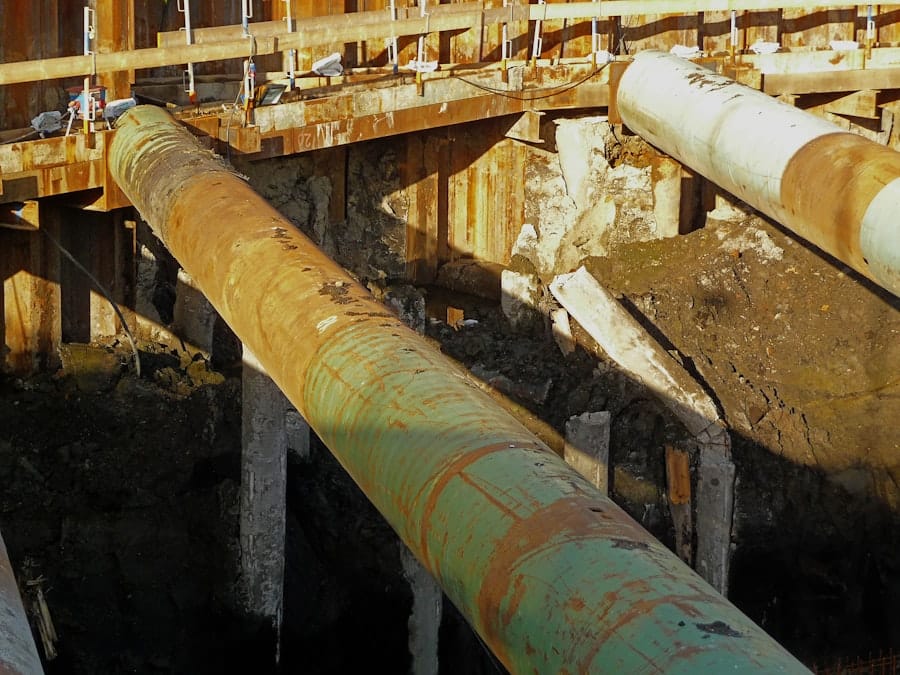
Your active participation and preparation can significantly streamline the pipe replacement process, minimizing disruption to your daily life. Being aware of what’s needed before, during, and after the project is key.
Pre-Construction Preparations
These are the steps you should take before the plumbing crew arrives to begin any work.
Securing Necessary Permits
Depending on the scope of work and local ordinances in Allen, Texas, permits may be required for pipe replacement. Your contractor should handle this process, but it’s good to confirm that all necessary approvals are in place.
Protecting Your Property
The plumbing team will strive to minimize mess, but some disruption is inevitable.
Indoor Preparations
- Clear walkways: Remove furniture, clutter, and personal belongings from areas where work will be taking place, especially in basements, utility rooms, and along the path of pipe routing.
- Protect floors and surfaces: Lay down drop cloths, plastic sheeting, or old blankets to protect carpets, hardwood floors, and furniture from dust, dirt, and potential damage.
- Secure pets: If you have pets, ensure they are securely contained in a safe area away from the work zone. The noise and activity can be stressful for them.
- Empty cabinets and shelves: Any cabinets or shelves adjacent to walls where pipe work might occur should be emptied to prevent items from being dislodged or damaged.
Outdoor Preparations (for underground pipe replacement)
- Mark sprinkler systems and landscaping: Clearly mark any sprinkler heads, significant landscaping features, or underground utilities you are aware of (like invisible dog fences) that the excavation crew needs to avoid.
- Relocate vehicles and outdoor furniture: Move vehicles, patio furniture, grills, and any other items that might obstruct the work area or be at risk of damage.
- Secure outdoor pets: Ensure any outdoor pets are safely secured as excavation can be disruptive.
Communicating with Your Neighbors
If the pipe replacement involves work on shared utilities or will cause temporary disruptions like water shutoffs, it’s courteous to inform your immediate neighbors. This helps manage expectations and avoid any misunderstandings.
Planning for Water Shutoffs
You will likely experience periods without water.
Duration of Water Shutoff
Discuss with your contractor the estimated duration of any necessary water shutoffs. This will help you plan your activities accordingly.
Alternative Water Sources
- Stock up on bottled water: Have plenty of bottled water readily available for drinking, cooking, and essential hygiene.
- Fill bathtubs and containers: If you anticipate extended water shutoffs, consider filling bathtubs or large containers with water for flushing toilets (by manually pouring water into the bowl) and for basic cleaning needs.
During the Replacement Process
Once the work is underway, staying informed and accessible is important.
Maintaining Access
Ensure the work crews have consistent and unobstructed access to your property and the work areas.
Regular Communication with the Contractor
- Daily updates: Request brief daily updates from your contractor on the progress of the work and any potential issues.
- Ask questions: If anything is unclear or concerning, don’t hesitate to ask your contractor for explanations.
Addressing Unexpected Issues
The nature of construction is that unforeseen circumstances can arise. If the contractor encounters something unexpected (e.g., additional damage, a different type of pipe material than anticipated), they should communicate this to you promptly. Discuss the implications, potential cost adjustments, and the best course of action together.
Post-Replacement Procedures
After the primary plumbing work is completed, there are still important steps to ensure everything is functioning correctly and your property is restored.
Final Inspections and Testing
- System testing: The contractor will perform thorough tests of the new plumbing system to ensure there are no leaks and that water pressure is optimal.
- Your own verification: Once water is restored, run all faucets and fixtures, flush toilets, and run appliances that use water to confirm everything is working as expected.
Restoration and Cleanup
- Interior repairs: This includes patching and repainting walls, repairing drywall, and restoring any other interior finishes that were disturbed.
- Exterior restoration: For underground work, this involves backfilling trenches, grading the land, and potentially reseeding grass or replanting disturbed landscaping.
- Thorough cleanup: Ensure the work area is thoroughly cleaned of all debris, dust, and construction materials.
Documentation and Warranty Information
- Receipts and invoices: Keep all invoices and receipts for the work performed.
- Warranty information: Obtain and keep all warranty information for the new pipes, fittings, and labor. Understand the terms and duration of the warranty.
Choosing the Right Contractor for Pipe Replacement in Watters Crossing
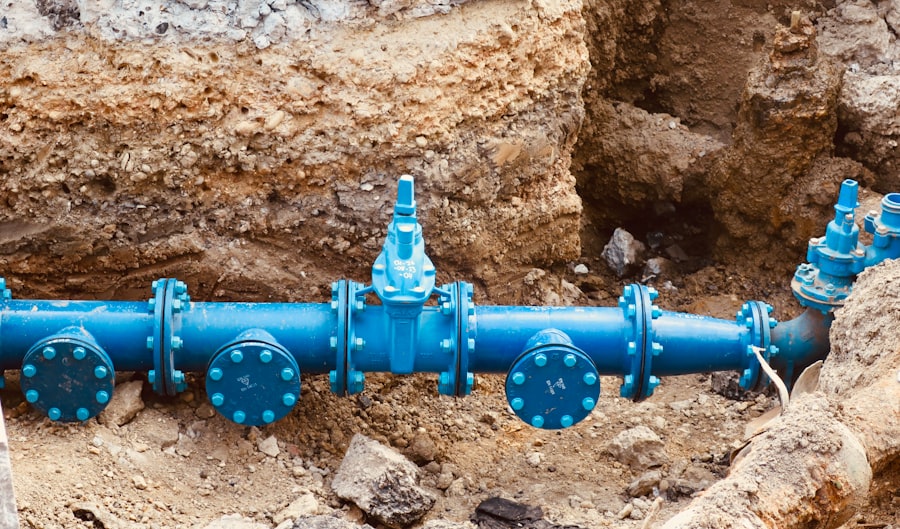
Selecting a reputable and experienced plumbing contractor is paramount to a successful pipe replacement project. The quality of workmanship directly impacts the longevity and reliability of your new plumbing system, and a good contractor will make the entire process smoother and less stressful.
Qualifications and Certifications
When evaluating potential contractors, look for specific indicators of their professionalism and expertise.
Licensing and Insurance
- State and Local Licenses: Ensure the contractor holds all necessary licenses required by the state of Texas and the city of Allen. This indicates they meet minimum competency standards.
- Liability Insurance: Verify that the company carries adequate liability insurance. This protects you from financial responsibility in case of accidents or damage to your property during the work.
- Workers’ Compensation Insurance: This is crucial to cover any injuries sustained by the contractor’s employees while working on your property.
Experience with Similar Projects
- Track Record in Watters Crossing: Ask if they have prior experience working in Watters Crossing or similar communities in the Allen area. Familiarity with local soil conditions, building codes, and common neighborhood plumbing issues can be invaluable.
- Specialization in Pipe Replacement: While many plumbers handle general repairs, a contractor with a specific focus on pipe replacement, particularly with the materials and methods you might be considering, will likely offer more specialized knowledge and efficient service.
Reputation and References
- Online Reviews: Check reputable online platforms (e.g., Google Reviews, Yelp, Better Business Bureau) for customer feedback. Look for consistent positive reviews regarding communication, quality of work, professionalism, and adherence to timelines and budgets.
- Request References: Don’t hesitate to ask for a list of recent clients, preferably those who have undergone similar pipe replacement projects. Contact these references to inquire about their experience.
- Ask specific questions to references:
- “Were you satisfied with the quality of the pipe replacement work?”
- “Was the project completed on time and within budget?”
- “Did the contractor communicate effectively throughout the process?”
- “Was the cleanup satisfactory?”
- “Would you hire this contractor again?”
The Bidding and Proposal Process
Getting a clear and comprehensive understanding of the proposed work and costs is vital before committing to a contractor.
Obtaining Multiple Bids
It is highly recommended to obtain bids from at least three different qualified contractors. This allows you to compare pricing, proposed methods, and overall value.
What to Expect in a Proposal
A thorough proposal should include:
- Detailed Scope of Work: A clear and specific description of what tasks will be performed, including pipe materials to be used, the extent of excavation (if applicable), and the areas of the home to be accessed.
- Itemized Breakdown of Costs: This should include costs for labor, materials, permits, and any other associated fees. Avoid lump-sum bids that lack transparency.
- Project Timeline: An estimated start date and a projected completion date, along with an outline of key project milestones.
- Payment Schedule: Clearly defined terms for when payments are due (e.g., a deposit, progress payments, final payment upon completion).
- Warranty Information: Details on the warranty for both materials and labor.
Avoiding Red Flags in Proposals
- Vague or incomplete proposals: If a proposal lacks detail or is unclear about the scope of work or costs, it can be a sign of disorganization or potential hidden fees.
- Unusually low bids: While price is a factor, an exceptionally low bid compared to others might indicate a contractor cutting corners on materials, labor, or insurance.
- High-pressure sales tactics: A reputable contractor will provide you with information and time to make a decision, not pressure you into signing immediately.
Communication and Professionalism
The way a contractor communicates with you during the bidding process is often indicative of how they will manage the project itself.
Responsiveness
Are they prompt in returning your calls and emails? Do they answer your questions thoroughly and clearly?
Transparency
Do they explain the process, their methods, and any potential challenges in a way you can understand?
Professional Demeanor
Do they conduct themselves professionally during site visits and discussions? This includes punctuality, respectful communication, and a clean appearance.
If you’re considering pipe replacement in Watters Crossing, Allen, TX, you might find it helpful to read about the best plumbing services available in nearby areas. A related article discusses top-notch plumbing options that can assist with various needs, including pipe replacements. You can check it out for more insights on reliable services by visiting best plumbing service in Carrollton, Texas. This information can guide you in making informed decisions for your plumbing projects.
Potential Challenges and Considerations for Watters Crossing Residents
| Location | Watters Crossing, Allen, TX |
|---|---|
| Number of Pipes Replaced | 25 |
| Start Date | June 15, 2021 |
| End Date | July 10, 2021 |
| Duration | 25 days |
| Cost | 150,000 |
While pipe replacement is a necessary undertaking, being aware of potential challenges and considerations specific to a neighborhood like Watters Crossing can help you prepare and mitigate any disruptions.
Underground Pipe Replacement Specifics
If your pipe replacement involves excavating underground lines, several factors come into play.
Soil Conditions and Drainage
The composition of the soil in Watters Crossing can vary. Some areas might have heavier clay soils that can shift or retain moisture, while others might be more sandy. This can affect excavation methods, the stability of trenches, and the ease of backfilling and compaction. Proper drainage around newly laid pipes is crucial to prevent damage from water accumulation.
Existing Underground Utilities
While utility lines are marked before excavation, there can still be undocumented or improperly marked utilities. Experienced contractors will take all necessary precautions, but it’s a potential point of concern that requires diligence.
Impact on Landscaping and Hardscaping
Excavation for underground pipe replacement will inevitably disturb your lawn, flower beds, trees, and any hardscaping features like driveways, patios, or walkways.
Restoration Efforts
Discuss with your contractor the extent of the restoration efforts included in their bid. Will they be reseeding your lawn, replanting shrubs, or repairing minor driveway cracks? Significant landscaping restoration or hardscape repair might be an additional cost.
Dealing with Mature Trees
If mature trees are in the path of excavation, extra care may be needed to avoid damaging their root systems. This could involve specialized excavation techniques or, in some cases, rerouting the pipe’s path if feasible.
Interior Pipe Replacement Considerations
Replacing pipes within the walls and ceilings of your home also presents its own set of challenges.
Minimizing Disruption to Living Space
New pipe installation often requires cutting into drywall, plaster, or other wall finishes.
Access Points
The contractor will need to strategically cut access holes to reach the old pipes and install the new ones. The placement and size of these openings will depend on the layout of your home and the existing pipe routing.
Noise and Dust
Demolition and drilling can be noisy and create a significant amount of dust.
- Dust containment: Discuss with your contractor the methods they use for dust containment. This might include using plastic sheeting, HEPA filter vacuums, and sealing off work areas.
- Schedule consideration: If possible, scheduling interior work during times when you can be away from home (e.g., during the day while you’re at work, or on weekdays if you work from home) can significantly reduce the impact of noise and dust.
Rebuilding and Finishing
After the new pipes are in place, the disturbed areas will need to be repaired and refinished.
Drywall Repair and Texturing
This involves patching the holes, applying joint compound, sanding, and potentially matching existing textures on your walls and ceilings.
Painting
Once the drywall repairs are complete and dry, repainting the affected areas to match the rest of the room will be necessary. Consider if you want to repaint the entire room for a seamless finish, or just the patched areas.
Potential for Mold or Water Damage Behind Walls
In older homes, persistent leaks might have led to moisture issues or mold growth behind the walls. A thorough inspection by the plumber might reveal such problems.
Addressing Underlying Issues
If mold or significant water damage is discovered, it will need to be addressed by specialized remediation services before new pipes are installed and walls are closed up. This can add to the project’s complexity and cost.
Cost Factors and Budgeting
Pipe replacement is a significant investment, and understanding the factors that influence the cost is crucial for budgeting.
Material Costs
The type of pipe material chosen will have a direct impact on the overall price. PEX is generally the most affordable, followed by PVC/CPVC, and then copper.
Labor Costs
The complexity of the installation, the accessibility of the pipes, and the amount of excavation required will all affect labor costs. Contractors in Watters Crossing, like in any established suburban area, will factor in local labor rates and the demand for their services.
Permitting and Inspection Fees
Allen, Texas, like other municipalities, has permit and inspection fees associated with plumbing work. These are usually included in a comprehensive bid.
Unexpected Discoveries
As mentioned, discovering hidden problems like extensive rot, mold, or previously unknown utility lines during the project can increase the overall cost. A good contractor will communicate these potential changes and seek your approval before proceeding.
Restoration Costs
The level of professional restoration required for your landscaping, interior walls, and finishes can significantly impact the final price.
Maintaining Your New Plumbing System
Once your new pipes are installed, understanding how to care for them will ensure their longevity.
Regular Maintenance Checks
While new pipes require less immediate attention than old ones, it’s still wise to conduct occasional visual inspections for any signs of leaks or moisture around fixtures and access points.
Water Quality
If your municipal water quality has been an issue that contributed to pipe degradation, consider water treatment systems to protect your new plumbing.
Avoiding Harsh Chemicals
Refrain from pouring harsh chemicals down your drains, as these can degrade certain pipe materials and seals over time.
By being informed about these potential challenges and considerations, you can better prepare for the pipe replacement process in Watters Crossing, work more effectively with your chosen contractor, and ensure a successful outcome for your home’s updated water system.
The Long-Term Benefits of New Piping in Watters Crossing
Investing in pipe replacement for your Watters Crossing home is not merely a reactive measure to address current problems; it’s a proactive step that yields significant long-term benefits. Moving beyond the immediate disruption and cost, you’ll find that updated plumbing contributes to a healthier, more efficient, and more valuable property.
Enhanced Water Quality and Safety
One of the most crucial, albeit often invisible, benefits of new pipes is the direct improvement in your home’s water quality.
Elimination of Contaminant Leaching
As discussed earlier, older pipes, particularly galvanized steel, can leach iron and other metallic particles into your water supply. Polybutylene pipes can degrade and release microplastics. Newer materials, like PEX and copper, when properly installed and maintained, are inert and will not contaminate your water. This means cleaner, safer drinking water for your family, free from the concerns of metallic tastes, odors, or potential health risks associated with dissolved pipe materials.
Reduced Risk of Bacterial Contamination
Corroded internal pipe surfaces can create environments conducive to bacterial growth. Replacing these pipes eliminates these breeding grounds, contributing to a healthier water system throughout your home.
Improved Water Pressure and Flow
The frustration of low water pressure is a common complaint in homes with aging plumbing. Replacing your pipes offers a tangible improvement in your daily water experience.
Consistent Performance
With new, unobstructed pipes, you’ll notice more consistent and robust water pressure at all your fixtures. This means:
- More enjoyable showers: Experience a strong, steady flow of water from your showerhead.
- Efficient appliance operation: Dishwashers and washing machines will fill and operate more effectively.
- Convenience in multi-use situations: Running multiple water sources simultaneously (e.g., a shower and a dishwasher) will be less likely to result in a noticeable drop in performance.
Optimized Water Heater Efficiency
Consistent water flow and pressure can also contribute to your water heater operating more efficiently. It won’t have to work as hard to deliver hot water to your fixtures, potentially leading to minor energy savings.
Preventative Maintenance and Cost Savings
While the initial investment in pipe replacement is substantial, it serves as a crucial form of preventative maintenance that can save you significant money in the long run.
Avoiding Costly Emergency Repairs
The cost of repairing a burst pipe, including water damage, mold remediation, and structural repairs, can easily run into tens of thousands of dollars. Proactive replacement eliminates the risk of these catastrophic and expensive events.
Reduced Water Bills
Hidden leaks are a major culprit behind unexpectedly high water bills. Once old pipes are replaced, these slow drips and leaks are eliminated, leading to more predictable and often lower water consumption.
Extended Lifespan of Fixtures and Appliances
Improved water quality and consistent pressure can also extend the lifespan of your faucets, showerheads, toilets, and water-using appliances by reducing wear and tear caused by sediment, debris, and inconsistent flow.
Increased Home Value and Marketability
For homeowners in Watters Crossing, or any established neighborhood, an updated plumbing system is a significant asset that enhances property value and marketability.
Appealing to Potential Buyers
When you decide to sell your home, a recently replaced plumbing system will be a major selling point. It signals to potential buyers that the home has been well-maintained and is less likely to require immediate, costly repairs. This can differentiate your property from others on the market and command a higher sale price.
Peace of Mind for Future Owners
Knowing that the plumbing is new provides peace of mind for future homeowners, reducing their perceived risk and making your property a more attractive investment.
Environmental Benefits
While not always the primary motivation, pipe replacement can also have positive environmental implications.
Reduced Water Waste
By eliminating leaks, new piping significantly reduces water waste. This is beneficial both for your personal water usage and for the broader community’s water conservation efforts.
Less Frequent Replacement Cycles
Modern plumbing materials are designed for longevity, meaning that your new pipes will likely last for many decades, reducing the need for subsequent major replacements and the associated resource consumption of manufacturing and installation.
By understanding these long-term benefits, you can view the pipe replacement project in Watters Crossing not as an expense, but as a sound investment in the health, efficiency, comfort, and value of your home for years to come.
FAQs
What is the average lifespan of pipes in a residential area like Watters Crossing, Allen, TX?
The average lifespan of pipes in a residential area like Watters Crossing, Allen, TX is typically around 50 years for materials like copper and brass, and 20-50 years for materials like galvanized steel and PVC.
What are the signs that indicate the need for pipe replacement in Watters Crossing, Allen, TX?
Signs that indicate the need for pipe replacement in Watters Crossing, Allen, TX include low water pressure, discolored water, frequent leaks, and visible signs of corrosion or rust on the pipes.
What are the common materials used for pipe replacement in Watters Crossing, Allen, TX?
Common materials used for pipe replacement in Watters Crossing, Allen, TX include copper, PEX (cross-linked polyethylene), PVC (polyvinyl chloride), and CPVC (chlorinated polyvinyl chloride).
What are the potential causes of pipe damage in Watters Crossing, Allen, TX?
Potential causes of pipe damage in Watters Crossing, Allen, TX include corrosion, mineral buildup, freezing and thawing cycles, soil movement, and poor installation.
How much does pipe replacement typically cost in Watters Crossing, Allen, TX?
The cost of pipe replacement in Watters Crossing, Allen, TX can vary depending on factors such as the length of the pipes, the materials used, and the extent of the damage. On average, homeowners can expect to pay anywhere from $1,500 to $15,000 for pipe replacement.