
You’re a homeowner in Old Town Peoria, Arizona, and you’ve noticed it: that tell-tale gurgle in the pipes, the reduced water pressure, or perhaps a persistent damp spot that wasn’t there last week. These aren’t just minor inconveniences; they’re often early indicators of an aging plumbing system that’s nearing the end of its service life. Replacing pipes in an established area like Old Town Peoria isn’t a luxury; it’s a necessary investment in the safety, functionality, and value of your home.
The infrastructure beneath your feet in Old Town Peoria tells a story. Many of these homes were built decades ago, and with them came plumbing systems designed for a different era and different water usage patterns. Cast iron was common, and while durable, it has its limitations. Over time, it can corrode, leading to blockages and leaks. Other materials, like galvanized steel, can also deteriorate, impacting water quality and flow. Understanding why pipe replacement is becoming a concern for many residents in this specific part of Peoria is the first step in addressing the issue.
This isn’t about scaremongering; it’s about providing you with practical, actionable information. We’ll delve into the common signs that indicate your pipes might need attention, the reasons why this is particularly relevant for Old Town Peoria, the types of pipe replacement methods available, and what you can expect during the process. Furthermore, we’ll discuss the critical role of professional plumbers and how to make an informed decision for your home.
Your plumbing system is designed to be largely invisible, working silently in the background. However, when it starts to falter, it often communicates its distress in rather obvious ways. Recognizing these signs early can save you from more significant and costly damages down the line. For homeowners in Old Town Peoria, where many properties have aged systems, these indicators are worth paying close attention to.
Reduced Water Pressure: A Slowdown in Flow
One of the most common and often noticed issues is a gradual decline in water pressure throughout your home. You might experience this as a weaker stream from your faucets, a less powerful shower, or a washing machine that takes longer to fill. While a single low-pressure faucet could be a localized issue, a widespread problem across multiple fixtures suggests a systemic issue within your main water lines.
Corrosion and Buildup
Inside older pipes, particularly those made of metal like galvanized steel or cast iron, corrosion and mineral buildup are perennial enemies. Over years of constant water flow, these materials can degrade. Rust and sediment can flake off the interior walls of the pipes, creating rough surfaces that impede water flow. This buildup narrows the internal diameter of the pipes, effectively restricting the volume of water that can pass through.
Scale Formation
In areas like Arizona with harder water, mineral deposits can form a stubborn scale inside pipes. This scale, primarily calcium and magnesium, adheres to the pipe walls, further constricting the passageways. Over time, these layers can become quite thick, significantly reducing water pressure and, in severe cases, leading to complete blockages.
Discolored Water: A Visual Warning
The color of your tap water can be a direct indicator of problems within your plumbing. If you’re seeing rusty-colored water, it’s a strong sign of corrosion within your pipes. This discoloration is caused by iron and other oxidized metals leaching into the water from the interior surfaces of corroded pipes.
Rust and Sediment Contamination
When cast iron pipes begin to rust, small particles of rust can break free and enter your water supply. Similarly, sediment that has accumulated over years of use can be stirred up by changes in water flow or pressure, entering your taps as a cloudy or discolored stream. While discolored water might not always be directly harmful, it’s certainly unappealing and a clear sign that your plumbing is deteriorating.
Foul Odors or Tastes
Beyond visual cues, your water might also taste or smell unpleasant. Metallic tastes are often linked to iron corrosion, while a “rotten egg” smell can indicate the presence of sulfur, often exacerbated by decaying organic matter within the pipes. These are not just aesthetic issues; they can affect the safety and palatability of your water.
Leaks and Water Damage: The Visible Evidence
The most alarming sign of pipe failure is, of course, a visible leak. This can manifest in various ways, from a persistent drip under a sink to larger water stains on ceilings or walls, or even damp patches on floors. In Old Town Peoria, where homes are often close-knit, a leak in your pipes can quickly spread and cause significant damage to your own property and potentially that of your neighbors.
Pinholing and Cracks
Older metal pipes are susceptible to developing pinholes or small cracks due to corrosion. These can start small but can worsen over time, leading to slow, consistent leaks. The moisture from these leaks can seep into surrounding building materials like drywall, insulation, and wood, creating an environment conducive to mold and mildew growth.
Burst Pipes
In extreme cases, particularly during freezing temperatures (though less common in the typically mild Old Town Peoria winters, it’s not impossible), or due to extreme pressure buildup, pipes can burst. A burst pipe is a serious plumbing emergency that can cause catastrophic water damage, leading to costly repairs and potential structural issues in your home.
Strange Noises: The Plumbing’s Symphony of Distress
Your pipes can also communicate their distress through sound. Banging, rattling, or clanking noises when water is turned on or off are not merely oddities; they are often indicators of underlying issues.
Water Hammer
A common culprit for banging noises is water hammer. This occurs when a valve is suddenly closed, causing the water flow to stop abruptly. The momentum of the water creates a shockwave that travels through the pipes, resulting in a loud bang. While not always directly a sign of pipe deterioration, it can indicate that the pipes are not properly secured or that there are air pockets within the system, which can put undue stress on aging connections.
Gurgling Sounds
Gurgling sounds, especially from drains, can indicate a partial blockage in your drain lines. As water struggles to flow through a constricted pipe, air is forced back up through the drain, creating the gurgling sound. If this is happening consistently, it suggests your drain pipes are either clogged with debris or are failing internally.
If you’re considering pipe replacement in Old Town Peoria, Arizona, it’s essential to understand the various plumbing terminologies that may come into play during the process. For instance, knowing what “DC” stands for in plumbing can be quite beneficial. To learn more about this and other plumbing-related terms, check out this informative article on plumbing definitions: What Does DC Stand for in Plumbing?. This resource can help you navigate your plumbing needs more effectively.
Why Old Town Peoria Plumbing is a Specific Concern
Old Town Peoria, with its rich history, boasts charming homes that many residents cherish. However, the very age that gives these properties character also presents specific challenges when it comes to their essential infrastructure, particularly plumbing. Understanding the historical context of construction in this area provides crucial insight into why pipe replacement is a growing consideration for homeowners here.
The Era of Construction and Materials Used
Many of the homes in Old Town Peoria were constructed during periods when different plumbing materials and practices were standard. The mid-20th century, for instance, saw widespread use of materials like galvanized steel and, in some instances, older homes might still have original cast iron plumbing.
Galvanized Steel Pipes
Galvanized steel pipes were a popular choice for their perceived durability and cost-effectiveness. They consist of steel pipes coated with zinc. While the zinc coating initially protects the steel from rust, it’s not impervious to the effects of water. Over time, the zinc coating can wear away, exposing the steel to corrosion. This corrosion can lead to a buildup of rust and sediment on the inside of the pipes, significantly reducing water flow and potentially leading to leaks. The lifespan of galvanized steel pipes is generally considered to be around 40-60 years, meaning many of the homes in Old Town Peoria are likely at or beyond this point.
Cast Iron Pipes
Cast iron was a robust material, known for its strength and longevity. It was commonly used for drain and sewer lines, as well as main water lines. However, cast iron is susceptible to internal corrosion and eventual cracking or breaking. Over decades, the interior of cast iron pipes can become rough and pitted due to rust, leading to blockages from debris accumulation. External factors, such as soil conditions and shifting ground, can also put stress on these pipes, leading to fractures. Similar to galvanized steel, cast iron pipes have a finite lifespan, and homes built when it was prevalent are now facing the reality of its deterioration.
The Impact of Time and Environmental Factors
Beyond the inherent lifespan of the materials themselves, other factors contribute to the aging of plumbing systems in Old Town Peoria. The local environment, including soil composition and water quality, plays a role in how quickly pipes deteriorate.
Soil Acidity and Corrosiveness
The soil in different regions can vary significantly in its chemical composition. Some soils are more acidic or corrosive than others, and this can accelerate the external corrosion of underground pipes. While not always the primary factor, it can contribute to the overall degradation of metal pipes buried in the ground.
Water Quality and Hardness
The water supplied to Old Town Peoria, like much of Arizona, is characterized by its hardness. Hard water contains a high concentration of dissolved minerals, primarily calcium and magnesium. As mentioned earlier, these minerals can precipitate out of the water and form scale on the interior surfaces of pipes. This scale buildup narrows the pipes, reduces water pressure, and can make them more prone to blockages.
Ground Movement and Settling
As properties age, the ground around them can shift and settle. This gradual movement can put stress on underground pipes, particularly at joints and connections. Over time, this stress can lead to cracks, leaks, or even the complete rupture of pipes. In established neighborhoods like Old Town Peoria, where the soil has experienced decades of expansion and contraction due to moisture variations and settlement, this can become a significant factor in pipe failure.
Pipe Replacement Methods: Modern Solutions for Old Infrastructure
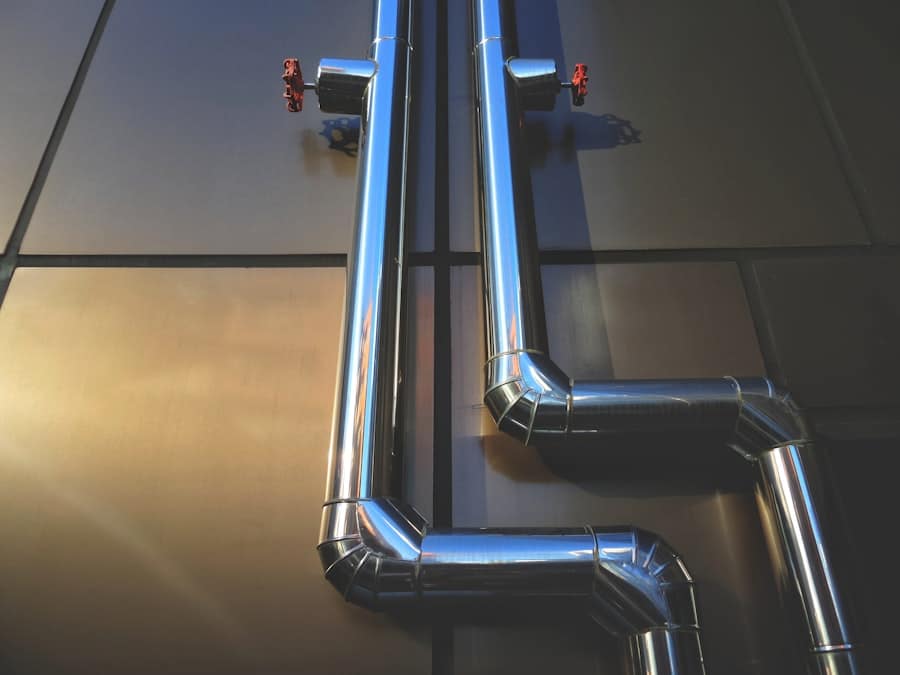
When you’ve determined that your Old Town Peoria home’s plumbing needs replacement, you’ll encounter various methods available. The best approach for your home will depend on the extent of the problem, the accessibility of your pipes, your budget, and the materials involved. Professional plumbers will assess your specific situation to recommend the most suitable solution.
Traditional Pipe Replacement (Trenching)
This is the most well-known and often the most disruptive method. Traditional pipe replacement involves digging trenches to access and remove old pipes and install new ones.
The Process
- Excavation: Trenches are dug along the path of the existing pipes, typically from where the water enters your home to the main lines connecting to the municipal supply, or from your main sewer line to the city’s connection. This can involve significant disruption to your landscaping, driveways, and potentially even interior walls if pipes are routed through the building’s foundation.
- Pipe Removal: The old pipes are physically cut and removed from the trenches.
- New Pipe Installation: New pipes, often made of modern, durable materials like PEX or PVC, are laid in the trenches and connected.
- Backfilling and Restoration: The trenches are refilled, and the disturbed areas are restored as much as possible. This might involve repaving driveways, replanting grass or landscaping, or repairing walls.
Pros and Cons
- Pros: It’s a proven method, and for significant pipe damage or complete overhauls, it can be very effective. The new pipes are easily accessible for future repairs.
- Cons: It’s highly disruptive, time-consuming, and can be very expensive due to excavation, labor, and restoration costs. It can also significantly impact the aesthetics of your yard.
Trenchless Pipe Replacement
Trenchless technology offers a less invasive alternative to traditional methods, minimizing disruption to your property. This has become increasingly popular, especially in older neighborhoods where aesthetics are valued, and excavation can be particularly challenging.
Pipe Bursting
- The Process: A bursting head is pulled through the old pipe, simultaneously breaking it apart and pulling a new pipe into its place. This requires only two small access pits, one at each end of the section of pipe being replaced.
- Pros: Significantly less disruptive than trenching, faster installation, and uses strong, seamless new pipes.
- Cons: Not suitable for all pipe materials and conditions, can still cause some ground surface disturbance between the access pits (though less than full trenching).
Pipe Lining (Cured-in-Place Pipe – CIPP)
- The Process: A flexible liner coated with a special resin is inserted into the old pipe. This liner is then expanded and cured, forming a new, seamless pipe within the old one. This method effectively seals cracks and provides a structurally sound new pipe. It typically requires only small access points.
- Pros: Extremely minimal disruption, preserves existing landscaping and structures, offers a durable and seamless pipe, and can be a cost-effective solution for many situations.
- Cons: The new pipe’s diameter might be slightly reduced, which could be a concern for very high-demand water systems, and it’s not suitable for severely collapsed pipes.
Pipethreading (Sliplining)
- The Process: A new, slightly smaller pipe is inserted into the existing damaged pipe. This is often done by creating access points at both ends of the damaged section.
- Pros: Less invasive than full trenching.
- Cons: The inner pipe’s diameter is reduced, impacting flow capacity. It also requires multiple access points.
The Crucial Role of Professional Plumbing Services
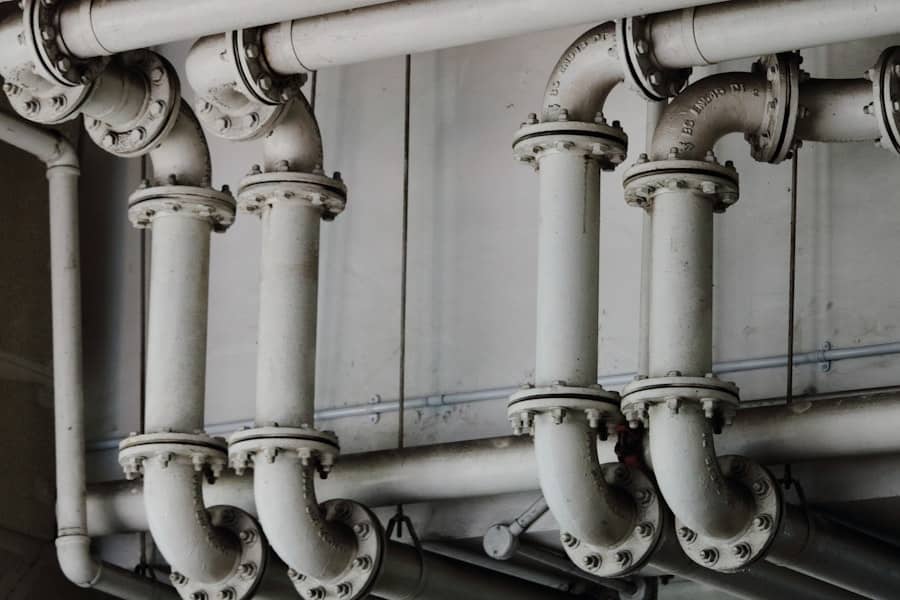
When you’re facing pipe replacement in Old Town Peoria, you’re not undertaking a DIY project. This is a complex and vital undertaking that demands the expertise of qualified professionals. Engaging licensed and experienced plumbers is paramount to ensure the job is done correctly, safely, and to the highest standards.
Why Professional Expertise is Non-Negotiable
- Diagnostic Skills: Plumbers have the tools and knowledge to accurately diagnose the problem, assess the extent of the damage, and determine the most appropriate replacement method. They can identify the root cause of the issue, whether it’s material degradation, infiltration, or structural failure.
- Technical Proficiency: Pipe replacement involves intricate work with water and sewer lines. Professionals understand the pressure requirements, material compatibilities, and local building codes to ensure a sound and safe installation. Incorrectly installed pipes can lead to immediate leaks, long-term structural damage, and potential health hazards.
- Access to Tools and Equipment: Specialized equipment is often required for pipe replacement, particularly for trenchless methods. Professional plumbers have access to these tools, which are expensive and require training to operate effectively.
- Permitting and Inspections: Many plumbing projects, especially pipe replacements, require permits from local authorities. Licensed plumbers are familiar with the permitting process and will ensure that all work meets required codes and passes necessary inspections, giving you peace of mind.
- Warranty and Guarantees: Reputable plumbers offer warranties on their labor and the materials they use. This provides you with recourse should any issues arise after the completion of the work.
Choosing the Right Plumbing Contractor
Selecting a contractor is a critical decision. You’re entrusting them with a significant portion of your home’s infrastructure.
Considerations for Selection
- Licensing and Insurance: Ensure the plumber is licensed by the state of Arizona and carries adequate liability insurance. This protects you from financial responsibility in case of accidents or damage during the project.
- Experience in Old Town Peoria: Look for plumbers who have experience working in older neighborhoods like Old Town Peoria. They will be more familiar with the typical challenges associated with aging infrastructure in the area and may have established relationships with local suppliers and inspectors.
- Reputation and Reviews: Check online reviews, ask for references, and seek recommendations from neighbors or local community groups. A good track record and positive feedback are strong indicators of a reliable contractor.
- Detailed Estimates: Obtain detailed, written estimates from multiple contractors. The estimate should clearly outline the scope of work, materials to be used, projected timeline, and the total cost. Be wary of surprisingly low bids, which may indicate poor quality materials or cutting corners.
- Communication: Choose a contractor who communicates clearly, answers your questions patiently, and keeps you informed throughout the process. A good communicator is more likely to be organized and transparent.
- Specialization in Trenchless Technologies: If trenchless replacement techniques are a potential solution, ensure the contractor has specific expertise and training in these methods.
If you’re considering pipe replacement in Old Town Peoria, it’s essential to understand the various options available to you. A recent article discusses the best plumbing services in Cary, North Carolina, which can provide insights into quality plumbing practices that may also apply to your situation. You can read more about it here. This information could help you make informed decisions when selecting a plumbing service in Peoria, ensuring that your pipe replacement project is handled efficiently and effectively.
The Investment: Cost and Long-Term Benefits
| Location | Old Town Peoria, Peoria, AZ |
|---|---|
| Project Type | Pipe Replacement |
| Scope | Replacement of old pipes with new ones |
| Timeline | TBD |
| Contractor | TBD |
Pipe replacement is undoubtedly a significant financial undertaking. However, viewing it solely as an expense is short-sighted. It’s an investment that yields substantial long-term benefits, protecting your property, your health, and your peace of mind.
Understanding the Cost Factors
The cost of pipe replacement in Old Town Peoria can vary considerably based on several factors:
- Scope of Work: Replacing the main water line will differ in cost from replacing the entire house’s plumbing system. The length of pipe needing replacement is a primary driver of cost.
- Type of Replacement Method: Trenchless methods, while often less disruptive, can sometimes carry a higher upfront cost than traditional trenching, depending on the complexity and the specific technology used. However, the reduced restoration costs can often equalize or even decrease the overall expense.
- Material Costs: The price of new piping materials (e.g., PEX, copper, PVC) can fluctuate.
- Labor Costs: The complexity of the job, the accessibility of the pipes, and the hourly rates of the plumbing crew all contribute to labor costs.
- Permit Fees: As mentioned earlier, required permits will add to the overall expense.
- Restoration Costs: If traditional trenching is used, the cost of repairing landscaping, driveways, and other affected areas must be factored in.
- Unforeseen Issues: Older homes can sometimes hide unexpected problems, such as corroded fixtures, damaged subflooring, or even asbestos-containing materials, which can increase the project’s complexity and cost.
The Long-Term Payoffs of a Modernized System
While the initial cost can seem daunting, the benefits of replacing your old pipes are considerable and extend far beyond immediate relief from plumbing woes.
Property Value Enhancement
A home with a recently replaced, modern plumbing system is inherently more attractive to potential buyers. It signifies a well-maintained property and eliminates a significant future expense for a new owner. This can lead to a higher resale value and a quicker sale.
Water Quality Improvement
Old, corroded pipes can leach harmful metals and sediment into your drinking water, affecting its quality and potentially your health. New pipes made from inert materials like PEX or properly installed PVC ensure that the water you drink and use is clean and safe.
Increased Water Efficiency and Flow
Aging pipes, with their internal blockages and leaks, can lead to significant water waste and diminished water pressure. New pipes provide efficient water flow, ensuring adequate pressure for all your needs and potentially reducing your water bills by eliminating leaks. This also translates to improved functionality for appliances and fixtures.
Prevention of Costly Future Damage
Ignoring deteriorating pipes is like playing with fire. A small leak can escalate into a major flood, causing extensive damage to your home’s structure, interiors, and belongings. Mold and mildew growth, often a consequence of persistent water intrusion, can also lead to significant health problems and costly remediation. Replacing pipes proactively prevents these catastrophic events.
Peace of Mind
Perhaps the most significant, though intangible, benefit is the peace of mind that comes with knowing your home’s plumbing is sound and reliable. You can shower, do laundry, and run your dishwasher without the constant worry of leaks, low pressure, or discolored water. This is especially valuable in an established neighborhood where the interconnectedness of homes means a leak in one property can impact others.
Financing Your Pipe Replacement
Given the significant investment, many homeowners explore financing options for pipe replacement:
- Home Equity Loans or Lines of Credit (HELOCs): These allow you to borrow against the equity you’ve built in your home.
- Personal Loans: Unsecured personal loans can be an option for less extensive projects.
- Contractor Financing: Some plumbing companies offer in-house financing or partner with lenders to provide payment plans.
- Savings: If feasible, utilizing personal savings can help avoid interest payments.
By understanding the costs, weighing them against the long-term benefits, and exploring financing options, you can confidently approach the necessary pipe replacement for your Old Town Peoria home. It’s an investment in your property’s future and your family’s well-being.
FAQs
What is the article about?
The article is about the ongoing pipe replacement project in Old Town Peoria, Peoria, AZ.
Why is pipe replacement necessary in Old Town Peoria?
Pipe replacement is necessary in Old Town Peoria to upgrade the aging infrastructure and ensure the delivery of safe and reliable water to residents and businesses.
Who is responsible for the pipe replacement project in Old Town Peoria?
The pipe replacement project in Old Town Peoria is being carried out by the city of Peoria, AZ in collaboration with the local water utility.
How long will the pipe replacement project in Old Town Peoria take to complete?
The duration of the pipe replacement project in Old Town Peoria will depend on the extent of the infrastructure upgrades needed, but it is expected to be completed within a specific timeframe set by the city.
What impact will the pipe replacement project have on residents and businesses in Old Town Peoria?
The pipe replacement project may cause temporary disruptions to water service and traffic flow in Old Town Peoria, but the city and the water utility will work to minimize inconveniences and keep the community informed throughout the process.