
You’re standing in your kitchen, ready to whip up dinner, when you notice it. A persistent drip from under the sink. Or perhaps you’re washing dishes and the water level rises ominously, refusing to drain. These are just a few of the common plumbing issues that can disrupt your day in Gilbert Town Square, Arizona. When these problems arise, knowing who to turn to for reliable kitchen plumbing repair is essential. This guide will walk you through what to expect, what to look for, and why prompt attention to these matters is crucial for your home.
Your kitchen is a hub of activity, and its plumbing system works hard day in and day out. Over time, wear and tear, or even minor mishaps, can lead to a variety of issues. Recognizing these problems early can prevent more significant damage and costly repairs down the line.
Leaks: The Silent Saboteurs
Leaks are perhaps the most frequent and frustrating kitchen plumbing problems. They can manifest in various ways, from a slow, steady drip to a more immediate gush.
Under the Sink Leaks
This is a classic. You might notice a damp spot on the cabinet floor, water pooling around the pipes, or even a musty odor indicating a slow leak. The culprit could be a loose connection in your faucet’s supply lines, a damaged P-trap, or a faulty garbage disposal.
- Supply Line Leaks: These connect your faucet to the main water supply. Over time, the rubber or braided hoses can degrade and crack, leading to drips or even bursts.
- P-Trap Leaks: The P-trap is the U-shaped pipe under your sink designed to hold water and prevent sewer gases from entering your home. A loose fitting or a crack in the pipe can cause leaks.
- Garbage Disposal Leaks: If you have a garbage disposal, leaks can originate from its seals, the flange connecting it to the sink, or from cracks in its housing.
Faucet Drips
That incessant dripping sound can be maddening, not to mention the wasted water. A dripping faucet usually points to worn-out seals or cartridges within the faucet itself.
- Worn Washers or O-Rings: In older faucet models, rubber washers can become brittle and tear, allowing water to seep through.
- Faulty Cartridge: Modern faucets often use a cartridge system to control water flow. If this cartridge is damaged or worn, it can lead to drips.
- Loose Valve Seats: The valve seat is where the water is shut off. If it’s corroded or loose, water can escape.
Dishwasher Leaks
Your dishwasher is another source of potential leaks. These can occur during its operation or when it’s idle.
- Door Seal Issues: A worn or damaged door seal can allow water to escape from the front of the dishwasher.
- Hose Connection Leaks: The hoses connecting the dishwasher to your water supply and drain can develop leaks at their fittings.
- Internal Component Failure: Problems with pumps, valves, or the tub itself can also lead to water escaping.
Drainage Problems: The Backed-Up Menace
When your kitchen sink refuses to drain, or the water backs up into other fixtures, it’s a clear sign of a clogged drain.
Slow Drains
A drain that takes an unnaturally long time to empty is usually the first indication of a partial clog.
- Grease Buildup: A common culprit in kitchen sinks is grease and oil poured down the drain, which solidifies and traps other debris.
- Food Scraps: Even with a garbage disposal, small food particles can accumulate over time and contribute to clogs.
- Soap Scum: Similar to grease, soap scum can build up on the inside of pipes, restricting water flow.
Complete Clogs
When water stands stubbornly in your sink, you have a more severe blockage.
- Combination of Debris: A complete clog is often a combination of grease, food debris, and other material that has compacted.
- Foreign Objects: While less common, sometimes foreign objects accidentally dropped down the drain can cause a blockage.
- Issues Further Down the Line: The clog might not be directly under your sink but further down in your main drain line.
Water Pressure Issues
A sudden drop in your kitchen faucet’s water pressure can be inconvenient, making tasks like filling pots or washing dishes difficult.
- Clogged Aerator: The aerator at the tip of your faucet can become clogged with mineral deposits, restricting water flow.
- Valve Issues: A partially closed shut-off valve under your sink or at your main water supply can reduce pressure.
- Leaks Elsewhere in the System: A hidden leak in another part of your plumbing can draw pressure away from your kitchen.
If you’re looking for comprehensive information on kitchen plumbing repair in Gilbert Town Square, AZ, you might find the article on plumbing services helpful. It covers various aspects of plumbing maintenance and repair, ensuring homeowners are well-informed about their options. For more details, you can read the article here: Plumbing Services HQ.
When to Call for Professional Kitchen Plumbing Repair in Gilbert Town Square
While some minor plumbing issues might be tempting to tackle yourself, many situations necessitate the expertise of a professional plumber. Ignoring a problem or attempting a repair without the proper knowledge can lead to more extensive damage and potentially higher costs.
Situations Demanding Immediate Professional Attention
Certain plumbing problems are not just inconvenient; they can pose a risk to your home and health.
Major Leaks and Water Damage
If you discover a significant leak, especially one that is spreading rapidly or has already caused noticeable water damage to your cabinets, flooring, or walls, it’s time to call a plumber immediately.
- Burst Pipes: A burst pipe is a plumbing emergency that can cause significant water damage in a short period.
- Leaking Water Heater (if applicable): While not directly kitchen plumbing, a leaking water heater in or near the kitchen can cause similar issues.
- Overflowing Sink/Toilet (if connected): If a kitchen clog causes an overflow that affects other fixtures or seeps into your home, it requires urgent attention.
Persistent Drainage Issues
If plunging and basic drain clearing methods have failed, and your sink remains clogged or drains extremely slowly, a professional plumber has the tools and expertise to diagnose and resolve the issue.
- Multiple Clogged Fixtures: If you notice multiple fixtures in your home backing up, it suggests a more significant problem in your main sewer line.
- Unpleasant Odors: Persistent foul odors emanating from your drains can indicate a sewer gas leak or a more serious blockage that needs professional intervention.
Suspected Gas Leaks (While less common with water lines, important for appliance connections)
Though less directly related to water plumbing, if you smell natural gas near your stove or other gas appliances in the kitchen, this is a serious emergency. Turn off the gas supply if you know how and can do so safely, evacuate your home, and call your gas utility provider and a qualified plumber. While this article focuses on water plumbing, appliance connections are often part of a plumber’s service.
The Benefits of Professional Service
Beyond addressing immediate emergencies, there are numerous advantages to relying on professional kitchen plumbing repair services.
Expertise and Experience
Professional plumbers undergo extensive training and have years of experience dealing with a wide array of plumbing problems. They can quickly diagnose the root cause of an issue and implement the most effective solution.
- Accurate Diagnosis: They have the knowledge to differentiate between a simple fix and a more complex underlying problem.
- Efficient Repairs: Their experience allows them to perform repairs quickly and accurately, minimizing disruption to your routine.
Specialized Tools and Equipment
Plumbers have access to specialized tools that the average homeowner does not possess. These tools are essential for diagnosing and repairing many plumbing issues.
- Drain Snakes and Augers: For clearing stubborn clogs in pipes.
- Camera Inspection Equipment: To visually inspect the inside of pipes for blockages, cracks, or other damage.
- Leak Detection Devices: To pinpoint the source of leaks that may not be immediately visible.
Prevention of Further Damage
Attempting DIY repairs without the necessary skills can inadvertently cause more damage. A professional plumber can ensure that repairs are done correctly, preventing future problems and protecting your home from water damage.
- Avoiding Incorrect Part Usage: Using the wrong parts or fitting them incorrectly can lead to leaks or further component failure.
- Understanding System Interconnections: Plumbers understand how different parts of your plumbing system work together, ensuring repairs don’t negatively impact other areas.
Warranty and Guarantees
Reputable plumbing companies often offer warranties or guarantees on their work and the parts they install. This provides peace of mind and protection against future issues.
What to Expect When You Call for Service
When you contact a plumbing service in Gilbert Town Square, here’s a general outline of what you can anticipate:
- Initial Consultation and Scheduling: You’ll likely speak with a dispatcher or customer service representative who will gather information about your problem and schedule an appointment at your convenience.
- Arrival and Inspection: A licensed plumber will arrive at your home, assess the situation, and explain the problem and the proposed solution.
- Estimate and Authorization: Before beginning any work, they will provide you with a written estimate for the cost of the repair. You will need to authorize the work before they proceed.
- Repair Process: The plumber will then carry out the necessary repairs using their tools and expertise.
- Testing and Cleanup: After the repair is complete, they will test the system to ensure it’s functioning correctly and clean up the work area.
- Payment and Documentation: You will then settle the bill, and you should receive an invoice or receipt for the services rendered.
Finding a Reliable Plumbing Service in Gilbert Town Square

Choosing the right plumbing service is crucial for ensuring that your kitchen plumbing repair is handled efficiently and effectively. In Gilbert Town Square, Arizona, you have a variety of options, but it’s important to do your research.
Key Factors to Consider When Selecting a Plumber
When you’re faced with a plumbing problem, the last thing you want is to add the stress of finding a trustworthy service. Here’s what you should look for.
Licensing and Insurance
This is non-negotiable. A licensed plumber has met the state’s requirements for knowledge and competency. Being insured protects you from liability in case of accidents or damage during the repair.
- Verification of Licenses: Most states have online databases where you can verify a plumber’s license.
- Proof of Insurance: Ask for proof of liability insurance and worker’s compensation insurance.
Experience and Specialization
While general plumbers can handle most issues, some specialize in specific areas. For kitchen plumbing, look for a service with a proven track record in residential repairs.
- Years in Business: A company that has been operating for a significant amount of time often signifies stability and customer satisfaction.
- Reviews and Testimonials: Look for plumbers who have a strong positive reputation in the Gilbert Town Square area.
Availability and Emergency Services
Plumbing problems don’t always happen during business hours. Knowing whether a service offers emergency plumbing repairs is vital.
- 24/7 Availability: Some companies offer round-the-clock service for urgent issues.
- Response Time: Inquire about how quickly they can typically respond to service calls.
Transparent Pricing and Guarantees
You should have a clear understanding of costs before the work begins. Reputable plumbers provide upfront estimates and stand behind their work.
- Upfront Estimates: Avoid services that are vague about pricing or charge hidden fees.
- Warranties on Workmanship and Parts: This shows confidence in their ability and provides you with recourse if an issue arises shortly after the repair.
Leveraging Online Resources and Local Recommendations
In today’s digital age, there are many ways to find reliable service providers.
Online Review Platforms
Websites like Google Reviews, Yelp, and Angi (formerly Angie’s List) can be invaluable resources for finding local plumbers.
- Read Multiple Reviews: Don’t base your decision on a single review. Look for patterns in feedback.
- Pay Attention to Recent Reviews: A plumber’s service quality can change over time.
Local Directories and Social Media
Local online directories and community groups on social media platforms can also offer recommendations.
- Ask for Referrals: Neighbors and friends who have had positive experiences are often the best source of trusted providers.
- Check Company Websites: Most plumbing companies have websites that detail their services, experience, and customer testimonials.
What to Ask Potential Plumbers
Before you commit to a service, a few well-placed questions can help you make an informed decision.
Questions About Experience and Qualifications
- “How long have you been in business in the Gilbert Town Square area?”
- “Are your plumbers licensed and insured?”
- “Do you specialize in kitchen plumbing repairs?”
Questions About Services and Pricing
- “Do you offer free estimates for kitchen plumbing repairs?”
- “What is your policy on emergency service calls and after-hours pricing?”
- “What kind of warranty or guarantee do you provide on your work?”
Questions About Process and Scheduling
- “What is your typical response time for a service call?”
- “Will you provide a written estimate before starting any work?”
- “What are your payment terms?”
The Importance of Regular Kitchen Plumbing Maintenance
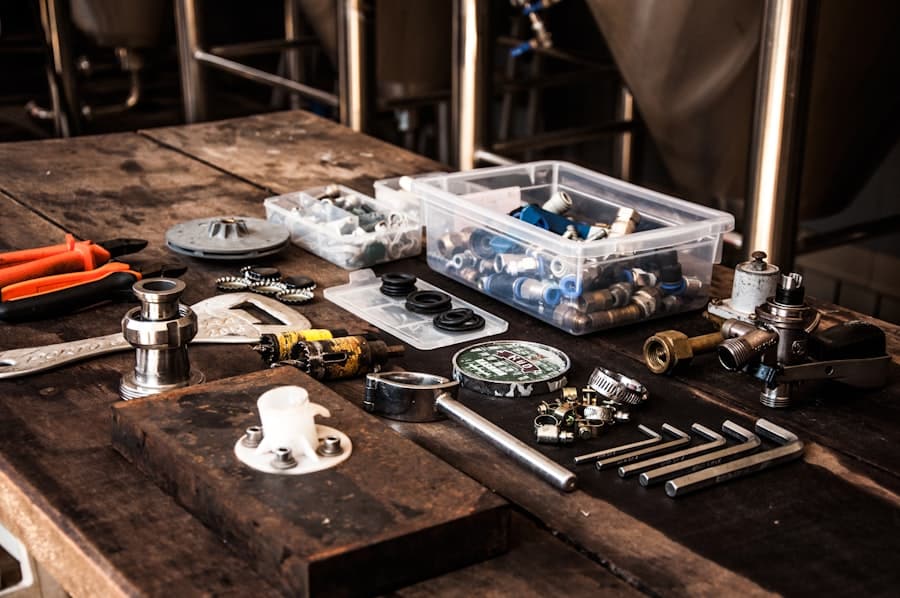
Preventative maintenance is key to avoiding costly and disruptive kitchen plumbing repairs. By taking proactive steps, you can ensure your plumbing system functions optimally and extend the lifespan of your fixtures.
Simple DIY Maintenance Tips
You don’t need to be a plumber to perform some basic maintenance tasks that can make a big difference.
Preventing Drain Clogs
The most common kitchen plumbing issue is drain clogs, and many of them can be prevented.
- Use Drain Strainers: These inexpensive mesh screens catch food scraps and other debris before they enter the drain.
- Avoid Pouring Grease Down the Drain: Collect grease in a container and dispose of it in the trash once it solidifies.
- Run Hot Water Regularly: After washing dishes, run hot water down the drain for a minute or two to help melt any residual grease.
- Beware of Coffee Grounds and Eggshells: These can be particularly troublesome in garbage disposals and drains.
Caring for Your Faucets and Fixtures
Regularly cleaning and inspecting your faucets can help prevent leaks and keep them functioning smoothly.
- Clean Aerators: Unscrew the aerator at the tip of your faucet periodically and clean out any mineral deposits or debris.
- Inspect for Leaks: Regularly check around the base of your faucet and under the sink for any signs of moisture.
- Tighten Loose Handles: If your faucet handle feels loose, gently tighten the screw that secures it.
Understanding Your Garbage Disposal
If you have a garbage disposal, proper usage is crucial for its longevity.
- Run Cold Water: Always run cold water while operating the disposal and for about 15 seconds afterward.
- Avoid Hard Fibrous Foods: Items like celery stalks, corn husks, and artichoke leaves can wrap around the blades.
- No Grease or Large Bones: These can clog the disposal and the drain lines.
When to Schedule Professional Maintenance
While DIY maintenance is beneficial, certain tasks are best left to the professionals.
Annual Plumbing Inspections
Consider scheduling an annual plumbing inspection with a professional plumber, especially if your home is older or you have experienced recurring issues.
- Comprehensive System Check: A plumber can inspect all visible pipes, connections, and fixtures for potential problems.
- Early Detection of Issues: They can identify minor leaks, corrosion, or wear and tear before they become major problems.
Addressing Worsening Symptoms
If you notice any of the following, it’s a good idea to call a plumber for a proactive check-up:
- Gradually Decreasing Water Pressure: This could indicate a buildup of sediment in your pipes or issues further in your system.
- Intermittent Dripping: Even small drips can waste a significant amount of water over time and may signal a developing issue.
- Unusual Noises: Gurgling sounds or knocking in your pipes could indicate air in the system or a partial blockage.
The Long-Term Benefits of Preventative Care
Investing in regular maintenance can save you money and stress in the long run.
Cost Savings
Preventative maintenance is almost always less expensive than emergency repairs. Addressing a small leak early can prevent significant water damage that could require costly repairs to drywall, flooring, and cabinetry.
- Reduced Water Bills: Fixing drips and leaks eliminates wasted water, lowering your monthly utility bills.
- Avoiding Major System Failures: Regular checks can catch potential catastrophic failures before they occur.
Peace of Mind
Knowing that your plumbing system is in good working order provides invaluable peace of mind. You won’t have to worry about unexpected plumbing emergencies disrupting your life.
- Less Stress: No more anxiously waiting for a plumber during an emergency.
- Protecting Your Home Investment: Well-maintained plumbing is a component of a well-maintained home, protecting your property’s value.
If you’re looking for reliable kitchen plumbing repair in Gilbert Town Square, AZ, it’s essential to understand the common issues that can arise and how to address them effectively. For those interested in exploring more about plumbing services in different regions, you might find this article on best plumbing services in El Paso, Texas quite informative. It offers insights that could help you make informed decisions about your plumbing needs, whether you’re in Arizona or elsewhere.
Common Causes of Kitchen Plumbing Failures in Gilbert Town Square
| Service | Metrics |
|---|---|
| Response Time | Within 24 hours |
| Customer Satisfaction | 90% |
| Number of Technicians | 5 |
| Service Area | Gilbert Town Square, AZ |
Understanding the typical reasons behind kitchen plumbing failures can help you be more vigilant and take steps to prevent them. While the principles are universal, the climate and water quality in Gilbert Town Square, Arizona, can contribute to certain issues.
Hard Water Effects on Plumbing
Gilbert Town Square, like much of Arizona, experiences hard water. This means the water contains a higher concentration of dissolved minerals, primarily calcium and magnesium. While not harmful to drink, hard water can wreak havoc on your plumbing system over time.
Mineral Buildup (Scale)
The dissolved minerals in hard water can precipitate out and form a hard, chalky deposit called scale. This scale can accumulate within pipes, faucets, and appliances.
- Reduced Water Flow and Pressure: Scale can narrow the internal diameter of pipes, constricting water flow and lowering pressure at your kitchen faucet.
- Damage to Faucet Components: Scale can build up on aerators, cartridges, and valve seats, leading to drips, leaks, and malfunctioning faucets.
- Impact on Appliances: Dishwashers and ice makers are particularly susceptible to damage from mineral buildup, which can affect their performance and lifespan.
Corrosion
While less direct than scale, hard water can also contribute to corrosion of metal pipes and fixtures over time, weakening them and potentially leading to leaks.
- Accelerated Deterioration: The chemical composition of hard water can accelerate the natural corrosion process in certain types of metal plumbing.
Age and Wear of Plumbing Infrastructure
Like any component of your home, plumbing systems and their parts have a finite lifespan. In Gilbert Town Square, older homes may have original plumbing that is nearing the end of its useful life.
Deteriorated Pipes
Older pipes, especially those made of galvanized steel or even older types of plastic, can degrade over time.
- Corrosion and Rust: Galvanized steel pipes are prone to internal corrosion, which can lead to rust particles in your water and restrict flow.
- Cracks and Leaks: As pipes age, they can develop small cracks that become larger leaks.
Worn-Out Fixtures
Faucets, valves, and seals in your kitchen can wear out after years of use.
- Degrading Rubber Seals: The rubber washers and O-rings in faucets and under-sink connections can become brittle and crack, leading to leaks.
- Corroded Valve Seats: The metal components within valves can corrode, preventing a proper seal and causing drips.
Improper Usage and Maintenance
As mentioned earlier, how you use and care for your kitchen plumbing significantly impacts its durability.
Pouring Harmful Substances Down the Drain
This is a significant contributor to clogs, especially in a region where water may be a precious resource.
- Grease and Oils: Solidify in pipes and attract other debris.
- Coffee Grounds and Eggshells: Can accumulate and create dense blockages.
- Chemical Drain Cleaners (in excess): While sometimes used for minor clogs, overuse can damage pipes and seals.
Neglecting Minor Issues
Ignoring small leaks or slow drains can allow them to escalate into more significant and costly problems.
- Small Drips Lead to Water Damage: A seemingly insignificant drip can cause extensive damage to cabinetry and subflooring over time.
- Partial Clogs Worsen: A drain that’s slowly draining can become completely blocked if the underlying cause isn’t addressed.
Installation Errors and Substandard Materials
Occasionally, plumbing failures can be traced back to initial installation problems or the use of inferior materials.
Poorly Executed Connections
Improperly tightened fittings, incorrect sealant usage, or faulty soldering can lead to leaks from the outset or develop over time.
- Loose Fittings: Can vibrate loose with water flow, creating small drips that can worsen.
- Incorrect Sealant/Tape: Can fail, allowing water to seep through connections.
Low-Quality Parts
Using inexpensive, low-quality replacement parts for repairs or renovations can result in premature failure.
- Cheap Faucet Cartridges: May not last as long as higher-quality alternatives.
- Inferior Hose Materials: Supply hoses can degrade faster if they are not made of robust, durable materials.
Addressing Water Leaks and Sprung Pipes in Your Gilbert Kitchen
Water leaks are common, but a “sprung pipe” implies a more sudden and significant rupture. Both require immediate attention, and understanding the nuances can help you react effectively.
Identifying the Source of a Water Leak
When you notice water where it shouldn’t be, the first step is to pinpoint the origin of the leak.
Visual Inspection
Your eyes are your first tools. Look for:
- Drips: From pipes, connections, or fixtures.
- Water Stains: On cabinets, walls, or ceilings.
- Pooling Water: On the floor under the sink or around appliances.
- Moisture: On pipes or the surrounding area, even if no active drip is present.
Auditory Clues
Sometimes, you can hear a leak before you see it. Listen for:
- Drip, Drip, Drip: The most obvious sound of a leak.
- Hissing: Can indicate a small, pressurized leak.
- Running Water: When no faucet or appliance is in use.
Olfactory Clues
Dampness can lead to the growth of mold and mildew, which have a distinct musty odor.
- Musty Smells: Especially noticeable under the sink or in enclosed cabinet spaces.
The Urgency of a Sprung Pipe
A sprung pipe, often caused by freezing (though less common in Gilbert’s typical climate, can happen with sudden cold snaps or poorly insulated areas) or excessive pressure, is a more serious issue.
Immediate Actions for a Sprung Pipe
If you suspect a pipe has burst, act quickly:
- Shut Off the Main Water Supply: Locate your home’s main water shut-off valve (often near the water meter or where the water line enters your home) and turn it off immediately. This will stop the flow of water and prevent further damage.
- Turn Off Electricity (if necessary): If water is near electrical outlets or appliances, turn off the power to that area at your breaker box to avoid electrocution hazards.
- Call a Professional Plumber: Contact an emergency plumbing service immediately. They are equipped to handle these urgent situations.
- Document the Damage: Take photos or videos of the damage for insurance purposes.
Repairing Leaks and Sprung Pipes
The repair process will differ based on the severity and location of the leak.
Minor Leaks
For minor leaks, such as a loose connection under the sink:
- Tightening Connections: A plumber may be able to simply tighten the offending fitting.
- Replacing Worn Parts: If a seal or washer is the culprit, it will be replaced.
- Applying Sealant/Tape: In some very minor cases, plumbers might use specialized pipe sealant or Teflon tape.
Major Leaks and Sprung Pipes
For larger leaks or a sprung pipe:
- Pipe Replacement: The damaged section of pipe will need to be cut out and replaced.
- Sectional Repair: For smaller breaches in longer pipes, a plumber might be able to repair a section of the pipe.
- Associated Damage Repair: Depending on the extent of water damage, further repairs to cabinets, flooring, or walls may be necessary, often requiring coordination with other trades.
Preventing Future Leaks
- Insulate Pipes: While less of a concern in much of Gilbert’s climate, ensuring pipes in unheated areas are insulated can prevent freezing and bursting in rare cold snaps.
- Monitor Water Pressure: If your water pressure is consistently very high, consider installing a pressure-reducing valve to protect your plumbing system.
- Regular Inspections: As discussed, periodic checks can help identify minor leaks before they become major issues.
When faced with kitchen plumbing issues in Gilbert Town Square, Arizona, a prompt and informed response is your best course of action. Understanding common problems, knowing when to call for professional help, and investing in preventative maintenance will keep your kitchen functioning smoothly and protect your home from potential water-related damage.
FAQs
1. What are common kitchen plumbing issues that may require repair in Gilbert Town Square, AZ?
Some common kitchen plumbing issues that may require repair in Gilbert Town Square, AZ include leaky faucets, clogged drains, malfunctioning garbage disposals, and damaged water lines.
2. How can I find a reliable plumbing repair service in Gilbert Town Square, AZ?
You can find a reliable plumbing repair service in Gilbert Town Square, AZ by asking for recommendations from friends and family, reading online reviews, and checking for proper licensing and insurance.
3. What are the potential causes of a leaky kitchen faucet in Gilbert Town Square, AZ?
Potential causes of a leaky kitchen faucet in Gilbert Town Square, AZ may include worn out washers, O-rings, or seals, as well as corroded valve seats or improper installation.
4. How can I prevent clogged drains in my kitchen in Gilbert Town Square, AZ?
You can prevent clogged drains in your kitchen in Gilbert Town Square, AZ by avoiding pouring grease or oil down the drain, using a drain strainer to catch food particles, and regularly flushing the drain with hot water and vinegar.
5. What are the signs that indicate a need for water line repair in a kitchen in Gilbert Town Square, AZ?
Signs that indicate a need for water line repair in a kitchen in Gilbert Town Square, AZ may include low water pressure, discolored water, or water pooling around the base of the sink cabinet.