
You may not think much about that persistent drip from your kitchen faucet, but leaky faucets and fixtures can lead to significant water waste and increased utility bills. A single drip per second can waste over 3,000 gallons of water a year, which is enough to fill a swimming pool. Beyond the environmental impact, the sound of dripping water can be incredibly annoying, disrupting your peace at home.
If you notice a leak, it’s essential to address it promptly. Often, the cause is a worn-out washer or O-ring, which can be easily replaced with minimal tools and effort. In addition to the waste and annoyance, leaky faucets can also lead to more severe plumbing issues if left unchecked.
Water can accumulate under sinks, leading to mold growth and structural damage over time. You might find yourself facing costly repairs if the leak worsens or if it affects surrounding areas. Regular maintenance and inspections of your fixtures can help you catch these issues early, saving you time, money, and stress in the long run.
So, the next time you hear that drip, consider taking action before it turns into a bigger problem.
Key Takeaways
- Leaky faucets and fixtures can lead to water wastage and should be fixed promptly to save water and money.
- Clogged drains and toilets can cause inconvenience and potential damage, so it’s important to address these issues as soon as they arise.
- Low water pressure can indicate underlying plumbing problems and should be investigated by a professional plumber.
- Running toilets can waste a significant amount of water and should be repaired to prevent water and money wastage.
- Water heater issues can disrupt daily routines and should be addressed promptly to ensure hot water availability.
Clogged Drains and Toilets
Clogged drains and toilets are among the most common plumbing issues you may encounter in your home. You might find yourself standing in a pool of water while showering or dealing with a toilet that refuses to flush properly. These situations can be frustrating and inconvenient, often requiring immediate attention.
The causes of clogs can vary widely, from hair and soap buildup in shower drains to excessive toilet paper or foreign objects lodged in toilets. Understanding these causes can help you prevent future clogs. To tackle a clogged drain, you might first try using a plunger or a drain snake to dislodge the blockage.
If these methods fail, chemical drain cleaners are an option, but they can be harsh on your plumbing system. You may also consider natural alternatives like baking soda and vinegar, which can effectively break down minor clogs without damaging your pipes. For persistent issues, it’s wise to consult a professional plumber who can assess the situation and provide a long-term solution.
Remember, regular maintenance and being mindful of what goes down your drains can save you from the hassle of clogs in the future.
Low Water Pressure
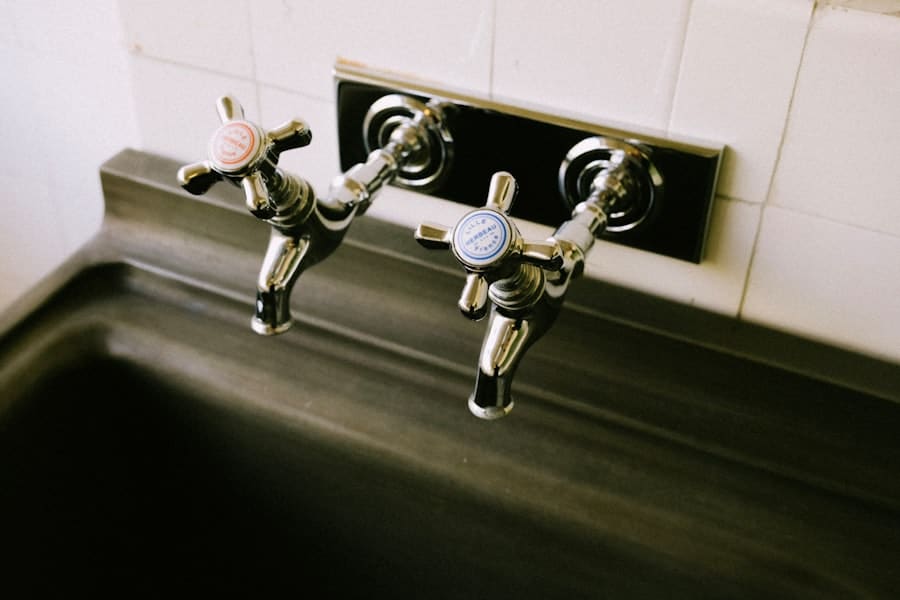
Experiencing low water pressure can be incredibly frustrating, especially when you’re trying to take a shower or wash dishes. You may notice that your faucets are barely trickling or that your shower feels more like a drizzle than a refreshing spray. Low water pressure can stem from various issues, including mineral buildup in pipes, leaks in the plumbing system, or even problems with the municipal water supply.
Identifying the root cause is crucial for restoring your water pressure to its optimal level. If you suspect mineral buildup is the culprit, you might consider descaling your faucets and showerheads. This process involves soaking them in vinegar to dissolve any deposits that may be restricting water flow.
If you’ve checked for clogs and buildup but still experience low pressure, it could be time to investigate your plumbing system for leaks or consult with a plumber. They can perform tests to determine if there are underlying issues affecting your water pressure. Addressing low water pressure not only improves your daily routines but also enhances the overall efficiency of your plumbing system.
Running Toilets
A running toilet is more than just an annoyance; it can also lead to significant water waste and increased utility bills. If you hear your toilet constantly refilling after flushing, it’s likely due to a faulty flapper valve or a problem with the fill valve. You might not realize it, but a running toilet can waste hundreds of gallons of water each month, which is both costly and environmentally unfriendly.
Taking the time to diagnose and fix this issue can save you money and help conserve water. To address a running toilet, start by removing the tank lid and inspecting the components inside. Check the flapper valve for wear and tear; if it’s not sealing properly, replacing it is usually a straightforward task.
Additionally, ensure that the float arm is functioning correctly and not stuck in an elevated position. If these simple fixes don’t resolve the issue, you may need to replace the fill valve or consult a plumber for further assistance. By taking action against a running toilet promptly, you’ll not only restore peace in your bathroom but also contribute to water conservation efforts.
Water Heater Issues
Water heater issues can disrupt your daily routine in ways you might not expect. Imagine stepping into the shower only to be greeted by icy cold water instead of the warm comfort you anticipated. This scenario is often caused by problems with your water heater, which could range from simple thermostat adjustments to more complex issues like sediment buildup or faulty heating elements.
Understanding how your water heater works can help you troubleshoot common problems before they escalate. If you find yourself without hot water, start by checking the thermostat settings on your unit. Sometimes, a simple adjustment can resolve the issue.
If that doesn’t work, consider flushing your water heater to remove any sediment that may have accumulated at the bottom of the tank. This buildup can hinder efficiency and lead to overheating or other malfunctions. If these steps don’t yield results, it may be time to call in a professional plumber who can diagnose more complex issues like electrical problems or leaks within the unit.
Regular maintenance of your water heater will ensure it operates efficiently and lasts longer.
Sewer Line Problems
Sewer line problems are among the most serious plumbing issues you may face as a homeowner. When your sewer line becomes clogged or damaged, it can lead to sewage backups in your home, creating unsanitary conditions and potential health hazards. You might notice foul odors emanating from drains or experience slow drainage throughout your plumbing system—these are signs that something is amiss with your sewer line.
To address sewer line issues effectively, it’s crucial to act quickly. You may want to avoid using chemical drain cleaners as they can exacerbate existing problems or damage pipes further. Instead, consider scheduling a professional inspection using video technology to identify blockages or breaks in the line.
Depending on the severity of the issue, solutions may range from simple drain cleaning to more extensive repairs or even replacement of sections of the sewer line. Being proactive about sewer line maintenance can save you from costly repairs and protect your home from potential damage.
Pipe Leaks
Pipe leaks are another common plumbing issue that can lead to significant damage if not addressed promptly. You might notice damp spots on walls or ceilings, an increase in your water bill, or even mold growth—these are all indicators that there could be a leak somewhere in your plumbing system. Identifying the source of a leak can sometimes be challenging, as pipes are often hidden behind walls or under floors.
If you suspect a leak but cannot locate it visually, consider using moisture meters or infrared cameras that professionals often use to detect hidden leaks without invasive measures. Once identified, repairing pipe leaks may involve patching small holes or replacing entire sections of piping if the damage is extensive. Regular inspections of exposed pipes and being vigilant about any signs of moisture can help you catch leaks early before they escalate into more significant problems.
Garbage Disposal Malfunctions
Garbage disposals are convenient appliances that make kitchen cleanup easier, but they can also malfunction from time to time. You might find that your disposal is making strange noises, failing to turn on, or emitting unpleasant odors—these issues can disrupt your kitchen routine and create frustration. Understanding how to troubleshoot common garbage disposal problems can save you time and money.
If your disposal won’t turn on at all, check if it’s plugged in or if there’s a tripped circuit breaker. Sometimes pressing the reset button on the bottom of the unit can resolve minor electrical issues as well. If it’s making unusual noises but not grinding properly, there could be something lodged inside that needs removal—always remember to turn off power before attempting any fixes!
For persistent odors, grinding ice cubes or citrus peels can help clean out residue inside the disposal. Regular maintenance and mindful usage will keep your garbage disposal running smoothly for years.
Water Quality Concerns
Water quality is an essential aspect of any household that often goes overlooked until issues arise. You may notice changes in taste, odor, or color—these could indicate underlying problems with your water supply that need immediate attention. Contaminants such as bacteria, heavy metals, or chemicals can pose health risks if left unaddressed; therefore, understanding how to assess and improve your water quality is crucial for maintaining a safe living environment.
To ensure good water quality in your home, consider investing in regular testing kits that allow you to monitor for common contaminants like lead or chlorine levels. If tests reveal concerning results, installing filtration systems tailored to address specific contaminants may be necessary for improving overall water quality. Additionally, staying informed about local water quality reports will help you understand any potential risks associated with your municipal supply—taking proactive measures will safeguard both your health and that of your family.
Frozen Pipes
Frozen pipes are a common concern during colder months when temperatures drop significantly. You might find yourself dealing with reduced water flow or even complete stoppage due to ice forming within your pipes—this situation requires immediate attention as frozen pipes can burst and cause extensive damage if not thawed carefully. Understanding how to prevent frozen pipes is essential for protecting your plumbing system during winter.
To prevent freezing, ensure that pipes located in unheated areas are insulated adequately; this includes basements, attics, and exterior walls where cold air may seep in. During extreme cold spells, allowing faucets to drip slightly can help keep water flowing through pipes and reduce the risk of freezing. If you suspect a pipe has frozen already, applying heat using a hairdryer or space heater (never open flames) along the affected area may help thaw it safely without causing damage—always monitor closely while doing so!
Taking these precautions will help safeguard against frozen pipes during winter months.
Sump Pump Failures
Sump pumps play a crucial role in preventing basement flooding by removing excess water from below ground level; however, they can fail when you need them most due to power outages or mechanical malfunctions. You might find yourself facing significant water damage if your sump pump isn’t functioning correctly during heavy rainfall or snowmelt periods—understanding how to maintain this essential appliance is vital for protecting your home. Regular maintenance checks on your sump pump will ensure it operates efficiently when needed most; this includes testing its functionality periodically by pouring water into the sump pit to see if it activates properly.
Additionally, keeping an eye on power sources—such as battery backups—can provide peace of mind during storms when electricity may be compromised due to outages caused by severe weather conditions. By staying proactive about sump pump maintenance and being prepared for potential failures ahead of time will help safeguard against costly damages caused by flooding in basements!
When dealing with common plumbing problems in Chandler, AZ homes, it’s essential to understand how to diagnose these issues effectively. For a deeper insight into identifying plumbing problems, you can refer to the article on diagnosing plumbing issues at How Do You Diagnose a Plumbing Problem?. This resource provides valuable tips and techniques that can help homeowners recognize the signs of plumbing troubles before they escalate into more significant issues.
FAQs
What are some common plumbing problems in Chandler, AZ homes?
Some common plumbing problems in Chandler, AZ homes include leaky faucets, clogged drains, running toilets, low water pressure, and water heater issues.
How can I prevent plumbing problems in my Chandler, AZ home?
To prevent plumbing problems in your Chandler, AZ home, you can regularly inspect for leaks, avoid putting grease and food scraps down the drain, use drain strainers to catch hair and debris, and schedule regular maintenance for your water heater.
When should I call a professional plumber for plumbing problems in my Chandler, AZ home?
You should call a professional plumber for plumbing problems in your Chandler, AZ home if you are unable to fix the issue yourself, if there is a major leak or burst pipe, or if you are experiencing sewer line issues.
What are the potential consequences of ignoring plumbing problems in my Chandler, AZ home?
Ignoring plumbing problems in your Chandler, AZ home can lead to water damage, mold growth, higher water bills, and potential health hazards from sewage backups. It is important to address plumbing issues promptly.