Home Plumbing Installation Services
Navigating the complex world of home plumbing installation can be daunting. As a homeowner, you are often faced with decisions that impact not only the functionality of your domicile but also its long-term value and your daily comfort.
This guide aims to demystify the complexities of plumbing installation services, providing you with a factual and comprehensive overview, akin to a well-indexed encyclopedia, to empower your choices.
Before any pipe is laid or fixture connected, it is crucial to comprehend the fundamental architecture of your home’s plumbing system. Think of it as the circulatory system of your house, with hot and cold water pipes as arteries and veins, and drains as the excretory pathway.
The Two Primary Systems: Supply and Drainage
You will encounter two distinct yet interconnected systems in your plumbing: the water supply system and the drainage, waste, and vent (DWV) system.
Water Supply System
This system is your lifeline for potable water. It delivers fresh water from a municipal source or well to all your fixtures.
- Main Water Line: Your primary connection to the external water supply. This line enters your home and often includes a main shut-off valve, a critical safety feature you should always know the location of.
- Water Meter: If you are connected to a municipal supply, a water meter measures your consumption. This is typically located near the main shut-off valve.
- Pressure Regulator: In many areas, incoming water pressure is too high for residential use, which can damage appliances and pipes. A pressure regulator reduces the pressure to a safe, usable level.
- Hot Water Heater: This appliance is a cornerstone of modern comfort, providing hot water on demand. You will need to consider the type (tank, tankless, or hybrid), capacity, and energy source (gas, electric, or solar).
- Branch Lines: From the main lines, smaller pipes branch to individual fixtures such as sinks, toilets, showers, and appliances.
Drainage Waste-Vent (DWV) System
The DWV system is equally vital, responsible for efficiently removing wastewater and preventing noxious sewer gases from entering your home.
- Drain Pipes: These pipes carry wastewater from fixtures to the main sewer line or septic tank. They rely on gravity, hence the critical importance of proper sloping.
- Vent Pipes: Often overlooked, vent pipes are the lungs of your plumbing system. They allow air into the drains, preventing a vacuum from forming and ensuring smooth water flow. Without them, drains would gurgle slowly, and P-traps could be siphoned dry, allowing sewer gases to enter.
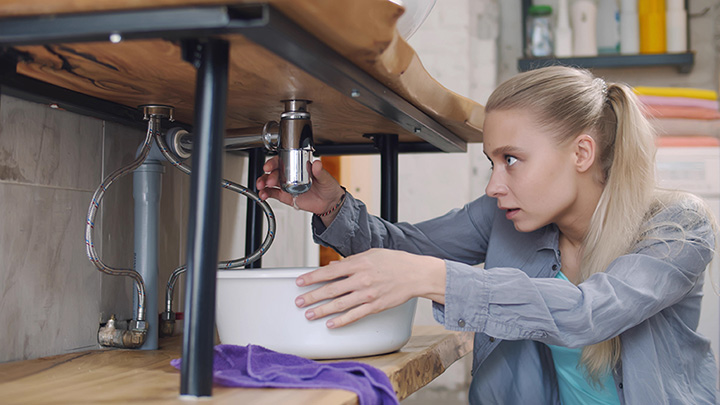
- P-Traps: U-shaped sections of pipe installed beneath each fixture. They hold a small amount of water, creating a barrier that prevents sewer gases from rising into your living space.
- Main Drain/Sewer Line: All individual drain pipes eventually converge into a main drain, which exits your home and connects to the municipal sewer system or your private septic tank.
Material Considerations for Plumbing Pipes
The choice of piping material significantly impacts longevity, water quality, and cost. You will encounter several common types.
Copper Piping
- Pros: Highly durable, corrosion-resistant, withstands high temperatures, bacteriostatic (inhibits bacterial growth). Often considered a premium choice.
- Cons: More expensive than plastic alternatives, requires soldering (which presents fire hazards if not done correctly), susceptible to pinhole leaks in certain water conditions.
PEX (Cross-Linked Polyethylene) Piping
- Pros: Flexible, making installation easier and faster with fewer fittings. Resistant to freezing and bursting; corrosion-resistant; less noisy than copper. Cost-effective.
- Cons: Susceptible to UV damage (not suitable for outdoor exposure without protection) and to rodent damage. Some proprietary fitting systems might limit future modifications.
PVC (Polyvinyl Chloride) Piping
- Pros: Inexpensive, lightweight, easy to cut and connect with solvent cement. Primarily used for drain, waste, and vent lines.
- Cons: Not suitable for hot water supply lines due to temperature limitations. Can become brittle over time, especially with prolonged UV exposure.
CPVC (Chlorinated Polyvinyl Chloride) Piping
- Pros: Similar to PVC but designed for hot and cold water supply lines, tolerant of higher temperatures. Easy to install.
- Cons: Can be more brittle than PEX or copper and requires careful handling. Certain chemicals can degrade it over time.
If you’re considering upgrading your home plumbing system, it’s essential to understand the available installation services. A related article offering valuable insights on choosing the right plumbing service is available at Best Plumbing Service in Mesquite, Texas. This resource outlines key factors to consider when selecting a plumbing service to ensure your installation is handled by qualified professionals.
The Installation Process: A Step-by-Step Overview
When you engage a professional plumbing installation service, you are entrusting them with a multifaceted project. Understanding the typical installation stages provides valuable insight into the scope of work.
Initial Planning and Design
This foundational phase is where the blueprint comes to life. Your plumber will work with you to understand your needs and local building codes.
Consultation and Assessment
- Site Survey: The plumber will evaluate your property, taking into account existing structures, access points, and the location of utility connections.
- Requirements Gathering: You will discuss your specific needs, including the number and type of fixtures, hot-water demand, water-softener integration, and any specialized systems such as reverse osmosis.
- Code Compliance: Adherence to local plumbing codes is paramount for safety and legality. The plumber will ensure all designs meet these stringent standards.
System Design and Layout
- Pipe Routing: The optimal path for supply and drain lines is determined to minimize material use while maximizing efficiency and accessibility for future maintenance.
- Fixture Placement: Exact locations for sinks, toilets, showers, and appliances are finalized, taking into account ergonomic factors and aesthetic preferences.
- Hot Water Heater Sizing: Calculations are performed to ensure your hot water heater can meet your household’s demand without issues.
Rough-In Plumbing
This stage involves installing the hidden infrastructure before walls are closed up and floors are laid. It’s the skeleton of your plumbing system.
Water Supply Line Installation
- Main Line Connection: Connecting to the municipal supply or well source.
- Pressure Regulator and Shut-Off Valves: Installation of these critical control points.
- Run Hot and Cold Lines: Pipes are run from the water heater and main supply to the designated locations for each fixture, terminating at “stub-outs” within the wall or floor.
DWV System Installation
- Drain Pipe Installation: Sloped drain pipes are run from fixture locations to the main drain line. Proper slope is akin to setting a river’s course; too flat, and it stagnates; too steep, and it can cause siphoning issues.
- Vent Pipe Installation: Vent pipes are connected to drains and routed through the roof to ensure proper air circulation.
- P-Trap Installation: While P-traps are often installed during fixture installation, the rough-in prepares the connection points.
Fixture Installation and Final Connections
This is where your plumbing system becomes visible and functional.
Connecting Fixtures
- Toilets: Installation involves connecting the water supply, setting the toilet on the wax ring, and securing it to the floor.
- Sinks and Faucets: Faucets are mounted to the sinks, then the sink unit is installed, and the hot and cold water lines and the drain are connected.
- Showers and Tubs: More complex, often involving specialized valves, showerheads, and tub spouts, all requiring precise alignment and watertight connections.
- Appliances: Connecting dishwashers, washing machines, and refrigerators to the appropriate water supply and drainage lines.
Testing and Inspection
- Pressure Testing: The supply lines are pressurized and checked for leaks. This is a critical step, as a hidden leak can cause significant damage.
- Drainage Testing: Water is run through all drains to verify proper flow and drainage.
- Ventilation Check: Ensuring vent pipes are clear and functioning correctly to prevent siphoning and ensure efficient drainage.
- Final Inspection: A municipal inspector will typically review the completed work to ensure compliance with all local codes.
Specialized Plumbing Services and Considerations
Beyond standard installations, you may encounter specific needs that require specialized expertise.
Water Heater Installation
This is not a one-size-fits-all endeavor. You must choose the right type for your household’s demands.
Tank Water Heaters
- Considerations: Capacity (gallons), recovery rate (how quickly it re-heats water after use), energy efficiency (Energy Factor, EF), and fuel type (natural gas, propane, electric). Installation involves connecting to the water supply, the gas line (if applicable), and the vent (if gas-fired).
Tankless Water Heaters
- Considerations: Flow rate (gallons per minute – GPM), energy factor, and fuel type. Installation is more complex, often requiring larger gas lines or dedicated electrical circuits, as well as specific venting requirements.
Water Treatment Systems
The quality of your water can vary significantly. Water treatment systems safeguard your water, ensuring it’s clean and safe.
Water Softeners
- Purpose: Removes hard minerals such as calcium and magnesium, preventing scale buildup in pipes and appliances and improving soap efficiency.
- Installation: Involves connecting the unit to your main water line, typically after the pressure regulator, and a drain connection for the regeneration cycle.
Whole-House Filters
- Purpose: Removes sediment, chlorine, and other contaminants from all water entering your home.
- Installation: Placed on the main water line, often before the water heater. Cartridge replacement is a recurring maintenance item.
Reverse Osmosis (RO) Systems
- Purpose: Provides highly purified drinking water by removing a wide array of contaminants. Often installed at a specific tap (e.g., kitchen sink).
- Installation: Typically involves a dedicated faucet, a connection to a cold-water line, and a drain line for wastewater.
Choosing the Right Plumbing Installation Professional
Your choice of plumber is paramount. It determines the quality, longevity, and safety of your entire plumbing system. Think of them as the architects and builders of your home’s unseen essential network.
Key Factors to Evaluate
You are looking for competence, reliability, and transparency.
Licensing and Insurance
- Licensed Plumber: This is non-negotiable. A license ensures the plumber has met specific training, experience, and examination requirements. It also provides accountability.
- Insured: The plumber should carry liability insurance, which protects you from damages or injuries that may occur during the installation process. Workers’ compensation insurance is also crucial for employers.
Experience and Reputation
- Years in Business: While not the sole determinant, a longer track record often indicates stability and experience.
- Specialization: If you have unique needs (e.g., a custom home or a historic renovation), look for plumbers with relevant experience.
- References and Reviews: Consult online reviews (Google, Yelp, BBB) and ask for references from past clients. A reputable plumber will be happy to provide them.
Transparent Pricing and Contracts
- Detailed Estimates: A comprehensive estimate should clearly outline all costs, including labor, materials, permits, and any potential contingencies. Avoid estimates that seem unusually low, as they may hide fees or indicate cost-cutting.
- Written Contracts: Ensure all agreements, timelines, and payment schedules are documented in a formal contract. This protects both parties.
- Warranty: Inquire about warranties on both parts and labor. A good warranty provides peace of mind.
Red Flags to Watch For
Be wary of anything that raises suspicion, as it may indicate an unprofessional or unreliable service.
Lack of Documentation
- No License or Insurance Proof: If a plumber cannot or will not provide proof of licensing and insurance, look elsewhere.
- Verbal Estimates Only: A professional will always provide a written estimate.
High-Pressure Sales Tactics
- “Act Now” Discounts: While promotions exist, overly aggressive sales can signal an attempt to rush you into a decision before you can properly vet the service.
- Discouraging Questions: A reputable plumber welcomes your questions and provides clear answers.
Unusually Low Bids
- Too Good to Be True: If one bid is significantly lower than others, it often indicates a compromise on quality, materials, or even legal compliance. It’s a well-known adage: you get what you pay for.
When considering home plumbing installation services, it’s essential to understand the available options to ensure a smooth, efficient process. A helpful resource is a related article on the best plumbing services in Arlington, Texas. This article provides insights into what to look for when hiring professionals and highlights reputable companies in the area. For more information, you can read the article here: Best Plumbing Services in Arlington, Texas.
Maintaining Your Newly Installed Plumbing System
| Service Type | Average Installation Time | Customer Satisfaction Rate (%) | Typical Cost Range | Warranty Period | Common Materials Used |
|---|---|---|---|---|---|
| Bathroom Sink Installation | 2-4 hours | 92 | 100 – 300 | 1 year | PVC, Copper, Brass |
| Toilet Installation | 1-3 hours | 95 | 150 – 400 | 1 year | Porcelain, PVC |
| Shower Installation | 4-6 hours | 90 | 300 – 800 | 2 years | Stainless Steel, PVC, Glass |
| Water Heater Installation | 3-5 hours | 88 | 400 – 1200 | 3 years | Steel, Copper |
| Pipe Replacement | Varies (2-8 hours) | 85 | 200 – 1000 | 1 year | Copper, PEX, PVC |
Installation is the beginning, not the end. Proactive maintenance is your shield against premature wear and costly repairs. Just as a gardener tends to their plants, you must nurture your plumbing system.
Regular Inspections
- Visual Checks: Periodically inspect visible pipes, fixtures, and appliances for leaks, corrosion, or unusual wear.
- Pressure Gauge Monitoring: If you have a pressure regulator, occasionally check the pressure gauge to ensure it’s within the safe range.
- Water Heater Check-Ups: For tank water heaters, flushing sediment annually can significantly extend lifespan and efficiency. For tankless heaters, descaling is often recommended.
Preventative Measures
- Drain Care: Avoid pouring grease, coffee grounds, or harsh chemicals down drains. Use drain strainers to catch hair and food particles.
- Winterization: If you live in a cold climate, learn how to properly winterize outdoor spigots and vulnerable pipes to prevent freezing and bursting.
- Know Your Shut-Offs: Familiarize yourself with the location of your main water shut-off valve and individual fixture shut-offs. This knowledge is invaluable in the event of an emergency leak.
Addressing Issues Promptly
- Minor Leaks: Even small drips can lead to significant water damage or mold growth over time. Address them immediately.
- Unusual Noises: Gurgling drains, hammering pipes, or unusual sounds from your water heater can indicate underlying issues that require professional attention.
By understanding the intricate workings of your home’s plumbing system, the installation process, and the criteria for selecting qualified professionals, you are well-equipped to navigate this essential aspect of homeownership. Your plumbing system is the silent workhorse of your home; investing wisely in its installation and maintenance ensures decades of reliable service and comfort.
FAQs
What types of plumbing installations are typically offered in home plumbing services?
Home plumbing installation services typically include installing water supply lines, drainage systems, faucets, sinks, toilets, showers, bathtubs, water heaters, and, in some cases, appliances such as dishwashers and washing machines.
How long does a typical home plumbing installation take?
The duration of a home plumbing installation varies based on the project’s complexity and scope. Simple installations, such as a faucet replacement, may take a few hours, while full bathroom or kitchen plumbing installations can take several days.
Do home plumbing installation services include permits and inspections?
Professional plumbing services often handle the necessary permits and ensure that installations comply with local building codes. They may also coordinate inspections required by local authorities to guarantee safety and compliance.
What should homeowners prepare before a plumbing installation service arrives?
Homeowners should clear the work area, ensure easy access to plumbing fixtures, turn off the main water supply if instructed, and communicate any specific concerns or requirements to the plumber before the installation begins.
Are warranties or guarantees typically provided with home plumbing installations?
Many professional plumbing services offer warranties or guarantees for their workmanship and installed parts. The terms vary by company but often cover defects and installation-related issues for a specified period.
RELATED TOPICS ABOUT Home Plumbing Installation Services
Affordable Home Plumbing Installation Services
Certified Home Plumbing Installation Services
Expert Home Plumbing Installation Services
Fast Home Plumbing Installation Services
Full-service Home Plumbing Installation Services
High-quality Home Plumbing Installation Services
Home Plumbing Appliance Installation Services
Home Plumbing Fixture Installation Services
Home Plumbing Installation Services Near Me
Home Plumbing Installation Services for Basements