Residential Plumbing Maintenance
Your home’s plumbing system is a complex network of pipes, valves, and fixtures that, when functioning properly, quietly delivers water and removes wastewater. Like any intricate machinery, it requires regular attention to prevent small issues from becoming costly disasters.
Neglecting residential plumbing maintenance is akin to ignoring the warning lights on your car’s dashboard; eventually, the breakdown will be significant and inconvenient. This guide outlines essential practices for maintaining your home’s plumbing, empowering you to keep this vital system running smoothly.
Your plumbing system is the silent circulatory system of your home, a testament to human ingenuity that brings comfort and hygiene. It consists of two primary components: the supply side, which delivers fresh, clean water from the municipal source or your well, and the drainage side, which carries away used water and waste. Each component, from the main water shut-off valve to the furthest faucet, plays a crucial role. Understanding these basics is the first step in proactive maintenance.
The Supply Side: The Veins of Your Home
The supply lines deliver potable water to your residence. These are typically made of copper, PEX (cross-linked polyethylene), or, in older homes, galvanized steel. Water enters your home through a main service line, which then branches out to supply various fixtures and appliances.
Identifying Your Main Water Shut-Off Valve
This is arguably the most critical component of your plumbing knowledge. Locating your main water shut-off valve is paramount. It’s usually found in the basement, crawl space, garage, or sometimes near the water meter outside your home.
When closed, this valve stops all water flow to your entire house. Knowing its location can be the difference between a minor leak and widespread water damage during an emergency. Imagine a leaky pipe as a gushing wound; the shut-off valve is your emergency tourniquet.
Inspecting for Leaks and Corrosion
Periodically, visually inspect accessible supply pipes for signs of moisture, discoloration, or corrosion. Even a slow drip, barely noticeable, can waste significant water over time and, more importantly, indicate an underlying issue that could worsen. Pay close attention to areas where pipes connect to fixtures or appliances. These are common points of failure.
The Drainage Side: The Veins of Your Home
The drainage system works by gravity, carrying wastewater away from your sinks, toilets, showers, and appliances to the municipal sewer or your septic system. This network consists of pipes, traps, vents, and a main sewer line.
The Importance of P-Traps and U-Bends
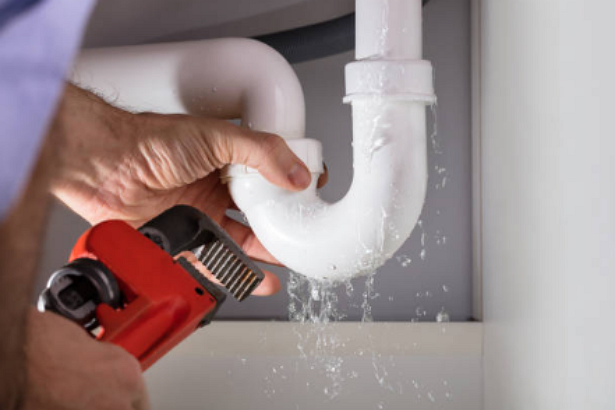
Beneath every drain, you’ll find a P-trap or a U-bend. These curved sections of pipe are designed to retain a small amount of water, creating a seal. This water barrier prevents sewer gases from entering your home, which can be noxious and even hazardous. If you notice a persistent sewer odor, a dry trap may be the cause, often due to infrequent use of the fixture.
Understanding Vent Pipes
Your drainage system also relies on vent pipes, which extend through your roof. These vents equalize air pressure within the pipes, allowing water to flow freely. If a vent pipe becomes blocked by debris, it can create a vacuum, slowing drainage and causing gurgling. A clogged vent is like a blocked airway; it impedes airflow.
For homeowners looking to ensure their plumbing systems remain in optimal condition, regular maintenance is crucial. A related article that provides valuable insights into plumbing services is available at Best Plumbing Service in Kansas City, Kansas. This resource highlights professional plumbing services to support maintenance and repairs, ensuring your residential plumbing remains efficient and problem-free.
Proactive Maintenance Strategies
Regular maintenance is not a burden; it’s an investment in the longevity and efficiency of your plumbing system. These strategies are designed to catch problems before they escalate, saving you money and preventing the headache of unexpected repairs.
Drain Maintenance: Keeping the Flow Clear
Clogged drains are one of the most common plumbing complaints. They can range from slow-moving water to complete blockages. Addressing these issues promptly is key.
Regular Cleaning and Prevention
The best way to manage drains is to prevent clogs from forming. Avoid pouring grease, oil, or coffee grounds down your kitchen sink. These substances solidify and accumulate in pipes. In bathrooms, hair and soap scum are the primary culprits. Use drain strainers in sinks and shower drains to catch debris before it enters the pipes.
Natural Drain Cleaning Solutions
For minor clogs, you can often use natural solutions. Pouring boiling water down a drain can help dislodge grease and soap scum. A mixture of baking soda and vinegar is a classic remedy. Pour about half a cup of baking soda down the drain, followed by an equal amount of vinegar. Let it fizz for about 30 minutes, then flush with hot water. This is like a gentle internal scrub for your pipes.
When to Call a Professional Plumber for Clogs
If natural remedies fail or if you suspect a more significant blockage further down the line, it’s time to call a plumber. They use specialized tools, such as drain snakes and augers, to clear stubborn clogs without damaging your pipes. Recurring clogs may indicate an issue with your main sewer line or your home’s slope, requiring a professional assessment.
Fixture and Appliance Care: Ensuring Peak Performance
Your faucets, toilets, and appliances are the visible interfaces of your plumbing system. Proper care ensures they function correctly and efficiently.
Faucet and Showerhead Maintenance
Leaky faucets are not only annoying but also a significant source of water waste. Often, a worn-out washer or O-ring is the culprit. Replacing these inexpensive parts can save you considerable money on your water bill and prevent water damage. Periodically unscrew and clean your showerheads to remove mineral buildup, which can restrict water flow and reduce pressure.
Toilet Troubleshooting
The toilet is a workhorse in any home. If your toilet is running constantly, it’s likely a faulty flapper or fill valve in the tank. These are relatively easy fixes for the DIY homeowner. If you experience weak flushes, it could be due to a low water level in the tank or a partial clog in the trapway. A wobbly toilet seat is a simple fix, but a toilet that constantly clogs might indicate a larger issue with the drain line.
Water Heater Efficiency
Your water heater is a significant energy consumer. Regular maintenance ensures it operates efficiently and safely.
Flushing the Water Heater Tank
Sediment can accumulate at the bottom of your water heater tank, reducing its efficiency and potentially causing damage. Periodically flushing the tank to remove this sediment is a crucial maintenance task. This process involves draining the tank, allowing it to refill, and then draining it again until the water runs clear. It’s like giving your water heater a thorough internal cleansing. For electric water heaters, consider turning off the power before flushing. For gas water heaters, turn off the gas supply.
Inspecting the Anode Rod
The anode rod (or sacrificial rod) inside your water heater is designed to corrode instead of the tank itself. Inspecting and replacing this rod periodically, typically every 3-5 years depending on water quality, can significantly extend the life of your water heater.
Water Pressure Management: Finding the Right Balance
Proper water pressure is essential for the efficient operation of your plumbing system. Too low, and your shower will be a trickle; too high, and you risk damaging your pipes and fixtures.
Checking and Adjusting Water Pressure
Most homes have a water pressure regulator. If you suspect your water pressure is too high, you can test it with a water pressure gauge, which screws onto an outdoor hose bib. If the pressure consistently exceeds 80 PSI, you’ll likely need to adjust your regulator. Too much pressure is like constantly overinflating a balloon; it puts undue stress on the system.
Dealing with Low Water Pressure
Low water pressure can be caused by various factors, including issues with the municipal supply, a partially closed main shut-off valve, or sediment buildup in pipes. If you experience low pressure throughout your home, it’s best to have a plumber investigate. If low pressure is only at a specific fixture, it might be due to a clogged aerator or cartridge.
Seasonal Plumbing Considerations
The changing seasons can bring unique challenges to your plumbing system. Being aware of these and taking preventative measures can save you from expensive seasonal repairs.
Winterizing Your Plumbing: Protecting Against Freezing
Cold temperatures are the arch-nemesis of outdoor plumbing. Frozen pipes can burst, leading to catastrophic water damage.
Identifying Vulnerable Areas
Focus on pipes that are exposed to the elements, such as those in unheated garages, basements, crawl spaces, and outdoor faucets. Any pipe running along an exterior wall is also at higher risk.
Insulating Pipes
Insulating vulnerable pipes is a critical step in winterizing. Use foam pipe sleeves or fiberglass insulation to wrap exposed pipes. This creates a thermal barrier, slowing heat loss and reducing the risk of freezing. Think of it as giving your pipes a warm coat.
Shutting Off Outdoor Faucets and Hoses
Before the first hard freeze, disconnect all garden hoses from outdoor faucets (hose bibs). Then, shut off the water supply to those faucets inside your home if possible, and drain any remaining water by opening the faucets. This prevents water from being trapped and freezing within the faucet body.
Spring Plumbing Checks: Waking Up the System
After the winter, it’s essential to give your plumbing system a thorough check-up.
Inspecting for Winter Damage
Walk through your home and inspect all accessible pipes, fixtures, and appliances for signs of damage from the winter months. Look for leaks, drips, or unusual noises.
Outdoor Fixture Readiness
Ensure your outdoor faucets are functioning correctly and that there are no leaks. If you have an irrigation system, check for any damage to the underground pipes.
Water Quality and Conservation
Beyond functionality, your plumbing system’s interaction with water quality and your usage habits are important.
Understanding Water Quality Issues
The quality of your water can impact your plumbing and your health. Hard water, for instance, can lead to mineral buildup in pipes and appliances.
Dealing with Hard Water
Hard water contains high levels of dissolved minerals, primarily calcium and magnesium. This can manifest as scale buildup on faucets, showerheads, and in appliances like water heaters and dishwashers. Over time, this buildup can restrict water flow and reduce efficiency. Water softeners are a common solution for hard water, effectively removing these minerals.
Testing Your Water
If you have concerns about your water quality, consider having it tested. You can often get testing kits from your local water utility or a private laboratory. Understanding what’s in your water can help you make informed decisions about filtration or treatment systems.
Water Conservation Practices
Conserving water not only reduces your water bill but also helps protect this valuable resource.
Fixing Leaks Promptly
As mentioned earlier, leaks are a significant source of water waste. Even a small drip can waste gallons of water per day. Promptly repairing dripping faucets and running toilets is a fundamental water-conservation practice.
Efficient Fixtures and Appliances
Consider installing low-flow showerheads and faucets. These fixtures use less water per minute without sacrificing performance. Similarly, choosing water-efficient appliances, such as washing machines and dishwashers, can significantly reduce your household’s water consumption.
For homeowners seeking to deepen their understanding of plumbing systems, understanding the importance of regular residential plumbing maintenance is crucial. A well-maintained plumbing system not only prevents costly repairs but also ensures the longevity of your fixtures.
Additionally, if you’re interested in how plumbing needs vary across settings, you might find this article on plumbing requirements for businesses and commercial buildings particularly insightful. Understanding these differences can help you appreciate the unique challenges faced in both residential and commercial plumbing environments.
When to Call a Professional Plumber
| Maintenance Task | Frequency | Estimated Time | Common Issues Addressed | Tools Required |
|---|---|---|---|---|
| Check for Leaks | Monthly | 15-30 minutes | Dripping faucets, pipe leaks | Flashlight, wrench |
| Clean Faucet Aerators | Every 6 months | 10-20 minutes | Low water pressure, debris buildup | Screwdriver, vinegar |
| Inspect Water Heater | Annually | 30-60 minutes | Temperature issues, sediment buildup | Wrench, garden hose |
| Flush Drains | Every 3-6 months | 20-40 minutes | Slow draining, clogs | Plunger, drain snake |
| Test Water Pressure | Annually | 15 minutes | High or low water pressure | Pressure gauge |
| Inspect Sump Pump | Annually | 20-30 minutes | Pump failure, flooding | Flashlight, screwdriver |
While some plumbing maintenance tasks are manageable for the average homeowner, others require the expertise of a qualified professional. Knowing when to call for help can prevent minor issues from becoming major headaches.
Recognizing Serious Problems
Certain plumbing problems are beyond the scope of DIY fixes and can lead to extensive damage if not addressed promptly by a professional.
Burst Pipes
A pipe burst is an emergency. If you suspect a burst pipe, immediately shut off your main water supply and call a plumber. The damage from a burst pipe can be extensive and rapid.
Sewer Backups
Sewer backups are not only unpleasant but also a health hazard. They often indicate a blockage in the main sewer line, which requires professional equipment and expertise to clear.
Major Leaks and Water Damage
If you discover a significant leak you cannot control, or notice signs of water damage, such as stained ceilings, warped floors, or mold growth, it’s imperative to contact a plumber and, if needed, a water damage restoration company.
Gas Leaks (Related to Plumbing)
If your home has gas appliances connected to the water heater or other systems and you suspect a gas leak (indicated by a distinct sulfur smell), evacuate immediately, avoid using electrical devices or open flames, and call your gas company and the fire department from a safe distance.
Routine Inspections and Tune-Ups
Even without obvious problems, scheduling periodic professional plumbing inspections can be beneficial. A plumber can identify potential issues you might miss during your own checks and provide expert advice on maintaining your system. Think of it as your plumbing system’s annual physical.
By understanding your home’s plumbing system and implementing these proactive maintenance strategies, you can ensure its reliable operation, conserve water, and avoid the costly consequences of neglect. Treat your plumbing with care, and it will serve your home reliably for years to come.
FAQs
What is residential plumbing maintenance?
Residential plumbing maintenance involves regularly inspecting, cleaning, and repairing a home’s plumbing system to ensure it functions efficiently and prevents leaks, clogs, and other issues.
How often should I perform plumbing maintenance in my home?
It is recommended to perform basic plumbing maintenance tasks, such as checking for leaks and cleaning drains, at least once or twice a year. More thorough inspections by a professional plumber should be done annually.
What are common signs that my home’s plumbing needs maintenance?
Common signs include slow drains, low water pressure, unusual noises in pipes, water discoloration, and visible leaks or water damage around fixtures and pipes.
Can I do residential plumbing maintenance myself, or should I hire a professional?
Homeowners can perform simple maintenance tasks, such as clearing minor clogs and checking for leaks. However, for complex issues or annual inspections, it is advisable to hire a licensed professional plumber to ensure safety and proper repairs.
What are some tips to prevent plumbing problems in my home?
To prevent plumbing problems, avoid pouring grease or large food particles down the drain; regularly check for leaks; insulate pipes in cold weather; use drain strainers; and schedule routine professional inspections.
RELATED TOPICS ABOUT Residential Plumbing Maintenance
24/7 Residential Plumbing Maintenance
Affordable Residential Plumbing Maintenance
Comprehensive Residential Plumbing Maintenance
Emergency Residential Plumbing Maintenance
Expert Residential Plumbing Maintenance Services
High-quality Residential Plumbing Maintenance
Professional Residential Plumbing Maintenance
Regular Residential Plumbing Maintenance
Residential Plumbing Maintenance Plans
Residential Plumbing Maintenance Services Near Me
Residential Plumbing Maintenance Solutions
Residential Plumbing Maintenance for Basements
Residential Plumbing Maintenance for Bathrooms
Residential Plumbing Maintenance for Drains
Residential Plumbing Maintenance for Homes
Residential Plumbing Maintenance for Kitchens
Residential Plumbing Maintenance for Leaks
Residential Plumbing Maintenance for Pipes
Residential Plumbing Preventive Maintenance
Top-rated Residential Plumbing Maintenance