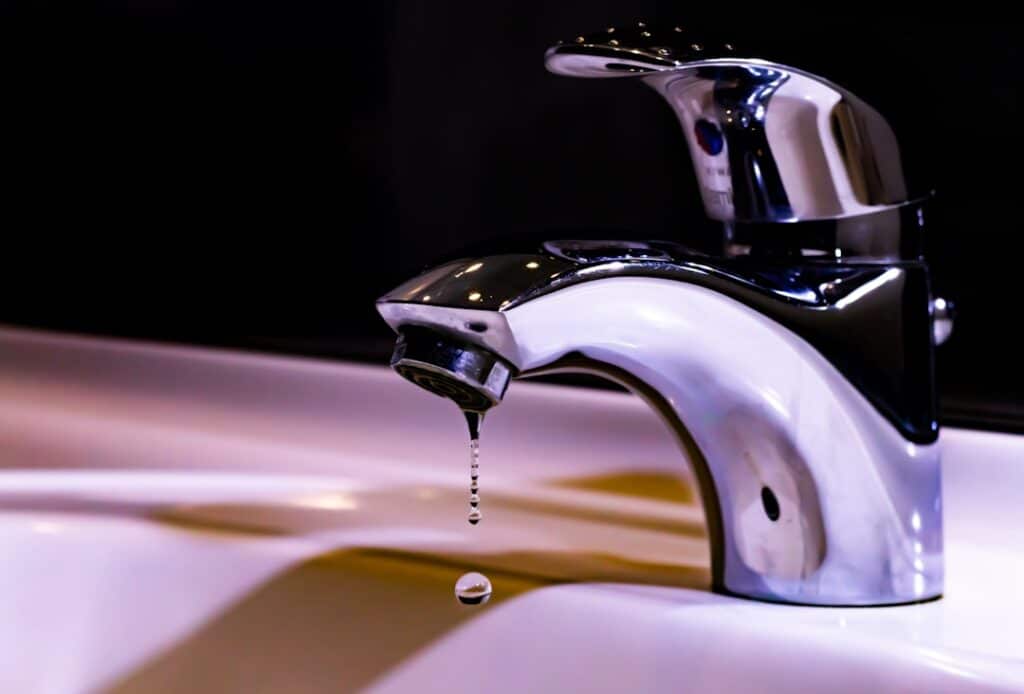
As a homeowner in Peoria, Arizona, understanding the intricacies of your residential plumbing system is crucial for proactive maintenance and timely repairs. Your plumbing is a complex network of pipes, fixtures, and appliances working in harmony to deliver water to your home and remove wastewater. When issues arise, knowing the potential problems and their solutions can save you significant stress and expense.
The Foundation of Your Plumbing: Water Supply Lines
The water supply lines are the arteries of your home’s plumbing, bringing clean, fresh water from the municipal supply to every faucet, showerhead, and appliance. These lines are typically made of copper, PEX (cross-linked polyethylene), or, in older homes, galvanized steel. Understanding their function is the first step in recognizing when they might be failing.
Identifying Common Supply Line Issues
Your supply lines face several potential challenges. Age, corrosion, and physical damage can all lead to problems, manifesting in various ways that you, as the homeowner, will likely notice.
Leaks in Supply Lines
One of the most common and concerning issues is leaks. These can range from a minuscule drip that goes unnoticed for weeks to a significant rupture that causes substantial water damage.
- Pinpoint Leaks: These are often small holes or cracks in the pipes. You might hear a faint hissing sound, see a damp spot on a wall or ceiling, or notice increased water bills without a corresponding increase in water usage.
- Corrosion: Over time, especially with hard water common in Arizona, metal pipes can corrode from the inside out. This can lead to pinhole leaks, discolored water, and reduced water pressure. Galvanized steel pipes are particularly prone to this.
- Freezing and Thawing: While Peoria experiences milder winters than some regions, occasional freezes can still occur. If water in exposed pipes freezes, it expands and can burst the pipe. This is more likely in uninsulated areas or during unseasonably cold snaps.
- Joint and Fitting Leaks: The connections between pipes, known as joints or fittings, are also potential weak points. These can loosen over time due to vibrations or improper installation, leading to leaks.
Reduced Water Pressure
A gradual or sudden drop in water pressure throughout your home can indicate a problem with your supply lines.
- Clogged Pipes: Mineral deposits and sediment can build up inside pipes, constricting the flow of water. This is more common in older homes with galvanized steel pipes.
- Leaking Lines: Even a small leak can divert water away from its intended destination, leading to reduced pressure at your fixtures.
- Issues with Municipal Supply: In some instances, the problem might not be within your home but with the public water main. However, if you notice the pressure drop only in certain areas of your house, it’s more likely an internal plumbing issue.
Water Quality Concerns
The condition of your supply lines can directly impact the quality of the water you receive.
- Rusty Water: This is a clear indicator of corrosion within metal pipes. It can stain laundry and affect the taste of your water.
- Metallic Taste: Besides rust, corroding pipes can impart a metallic taste to your drinking water.
- Sediment in Water: Over time, debris and mineral deposits can break free from pipes and enter your water supply.
If you’re looking for reliable residential plumbing repair services in Peoria, Arizona, you might find valuable insights in a related article that discusses the best plumbing services in Bakersfield, California. This article provides a comprehensive overview of what to look for in a plumbing service, including customer reviews and service offerings, which can help you make an informed decision for your plumbing needs. To read more, visit this link.
The Unseen Network: Drain and Sewer Lines
The drain and sewer lines are equally critical, though often overlooked until a problem becomes undeniable. They are responsible for safely and efficiently removing wastewater from your home and transporting it to the municipal sewer system or your septic tank.
Common Drain and Sewer Line Problems
Blockages and structural issues are the primary concerns with drain and sewer lines.
Drain Clogs
These are perhaps the most frequent plumbing complaints homeowners face.
- Kitchen Sink Clogs: Often caused by grease, food particles, and coffee grounds.
- Bathroom Sink Clogs: Typically result from hair, soap scum, and toothpaste.
- Toilet Clogs: Usually due to excessive toilet paper, non-flushable items, or a blockage further down the line.
- Shower and Tub Clogs: Primarily caused by hair and soap scum build-up.
- Multiple Fixture Clogs: If several drains in your home are backing up simultaneously, it suggests a more serious blockage in the main sewer line.
Sewer Line Blockages
These are more significant than individual drain clogs and can affect your entire plumbing system.
- Tree Root Intrusion: In areas with mature trees, roots can seek out water sources and infiltrate sewer lines, causing cracks and significant blockages.
- Foreign Object Obstructions: Items that are not meant to be flushed down a toilet can cause severe blockages in the main line.
- Cracked or Collapsed Pipes: Aging pipes, ground shifting, or external pressure can lead to cracks or complete collapse of the sewer line, preventing wastewater from flowing.
- Improper Pipe Pitch: If the sewer line was not installed with the correct downward slope, gravity will not be able to effectively move wastewater, leading to frequent backups.
Slow Draining
Even if a drain isn’t completely clogged, slow draining is a clear sign that a blockage is forming. It’s advisable to address this before it escalates into a full clog.
- Partial Blockages: Accumulated debris is partially obstructing the flow.
- Vent Pipe Issues: Plumbing systems rely on vent pipes to equalize pressure, allowing water to flow smoothly. If a vent pipe is blocked, it can cause slow draining and gurgling sounds in your drains.
The Heart of Your Water System: Water Heaters
Your water heater is responsible for providing hot water to your faucets, showers, and appliances. In Peoria’s climate, a reliable water heater is essential for comfort.
Common Water Heater Issues
Water heaters, whether gas or electric, have a lifespan and are prone to specific problems.
No Hot Water or Insufficient Hot Water
This is the most obvious sign of a water heater problem.
- Pilot Light Issues (Gas Heaters): If the pilot light has gone out, the heater won’t ignite to heat the water.
- Heating Element Failure (Electric Heaters): Electric water heaters have heating elements that can burn out over time.
- Thermostat Malfunctions: The thermostat controls the water temperature. If it’s faulty, it may not signal the heater to turn on.
- Sediment Buildup: Over time, sediment can accumulate at the bottom of the tank, acting as an insulator and preventing efficient heating.
- Tripped Circuit Breaker (Electric Heaters): An overloaded circuit can trip the breaker, cutting power to the water heater.
Leaky Water Heaters
Leaks can occur from various parts of the water heater.
- Tank Leaks: If the tank itself is corroded and leaking, it often signifies that the water heater needs to be replaced.
- Valve Leaks: The temperature and pressure relief valve or the drain valve can develop leaks.
- Connection Leaks: Leaks at the inlet or outlet connections to the tank are also possible.
Strange Noises from the Water Heater
Unusual sounds can indicate underlying issues.
- Popping or Rumbling: This is often caused by sediment buildup at the bottom of the tank that’s heating and expanding.
- Screeching: This might indicate a valve issue or a problem with the heating element.
Essential Fixtures and Appliances
Beyond the main infrastructure, your home is equipped with numerous plumbing fixtures and appliances that rely on your plumbing system to function correctly.
Common Fixture and Appliance Problems
Many issues you experience can be traced back to specific fixtures or appliances.
Leaky Faucets and Toilets
These are a common source of water waste and annoyance.
- Worn-out Washers or Seals: In faucets, small rubber washers or O-rings can degrade over time, leading to drips.
- Faulty Flapper Valve (Toilets): The flapper seal in the toilet tank can become worn or dislodged, allowing water to continuously flow into the bowl, which is a common cause of running toilets.
- Cracked Porcelain: While less common, a cracked toilet bowl or tank can lead to leaks.
Malfunctioning Showerheads and Tub Spouts
Issues here can range from reduced water flow to leaks.
- Clogged Showerheads: Mineral deposits can clog the nozzles, reducing water pressure and spray pattern.
- Leaky Tub Spouts: Similar to faucets, worn seals can cause leaks.
Appliance-Related Plumbing Issues
Your washing machine, dishwasher, and refrigerator (with an ice maker) all have water connections.
- Washing Machine Hoses: Aged or damaged hoses can burst, leading to significant water damage.
- Dishwasher Leaks: Leaks can occur from the inlet valve, drain line, or the door seal.
- Refrigerator Ice Maker Leaks: The water line connecting to the ice maker or the valve itself can develop leaks.
If you’re looking for insights into the world of plumbing, you might find it interesting to explore why the profession is referred to as “plumber.” This term has a fascinating history that connects to the materials used in plumbing systems. For those in need of assistance with their plumbing issues, understanding the background of the trade can be quite enlightening. You can read more about this topic in a related article found here. In Peoria, Arizona, residential plumbing repair services are essential for maintaining the functionality and safety of your home’s plumbing system.
When to Call a Professional Plumbing Service in Peoria, Arizona
While some minor plumbing issues can be addressed with DIY solutions, many require the expertise, tools, and knowledge of a professional plumbing service. Recognizing when to call for help is as important as understanding the problems themselves.
Recognizing the Need for Professional Intervention
Certain situations demand immediate professional attention to prevent further damage and ensure your plumbing system is repaired correctly.
Persistent or Severe Leaks
If you have a leak that you cannot locate, that is significant, or that is causing visible damage, it’s time to call a plumber. Ignoring a substantial leak can lead to mold growth, structural damage, and exorbitant water bills.
Main Sewer Line Backups
When multiple drains in your home are backing up, it strongly suggests a blockage in the main sewer line. This is a serious issue that requires specialized equipment, such as drain snakes or hydro-jetting machines, to clear. Attempting to fix this yourself can be unsanitary and ineffective.
Water Heater Emergencies
If your water heater is leaking profusely, making alarming noises, or not providing any hot water and you cannot pinpoint a simple cause, it’s best to consult a professional. Water heaters contain pressurized hot water and can pose safety hazards if mishandled.
Lack of Water or Major Pressure Drops
A complete lack of water or a severe, widespread drop in water pressure can indicate a problem with your main water line or a significant issue within your home’s plumbing network. These situations require professional diagnosis.
Recurring Problems
If you find yourself repeatedly dealing with the same plumbing issue, it’s a sign that the initial fix was inadequate or that there’s an underlying systemic problem that needs to be addressed by an experienced plumber.
Gas Line Concerns (for gas water heaters or other gas appliances)
Any suspected gas leak related to your plumbing system is an emergency. You should immediately turn off the gas supply if safe to do so, leave the area, and call a qualified plumbing professional specializing in gas lines.
Choosing the Right Peoria Plumbing Service
When you need a plumber in Peoria, Arizona, selecting a reputable and competent service is paramount.
Look for Licensed and Insured Professionals
A licensed plumber has met specific industry standards and is qualified to perform the work. Being insured protects you from liability in case of accidents on your property.
Seek Experienced Technicians
Plumbing issues can be complex. Experienced technicians have encountered a wide range of problems and are more likely to diagnose and fix your issue efficiently and effectively.
Read Reviews and Ask for Recommendations
Online reviews and word-of-mouth recommendations from friends, family, or neighbors can provide valuable insights into a company’s reliability, customer service, and quality of work.
Inquire About Guarantees and Warranties
A reputable plumbing service will often offer guarantees on their workmanship and warranties on parts. This provides an extra layer of assurance for your repairs.
As a homeowner in Peoria, Arizona, maintaining a well-functioning plumbing system contributes significantly to your home’s comfort, safety, and value. By understanding common issues, recognizing the signs of trouble, and knowing when to call a professional, you can effectively manage your residential plumbing needs.
FAQs
What services does a residential plumbing repair service in Peoria, Arizona offer?
A residential plumbing repair service in Peoria, Arizona typically offers a wide range of services including leak detection and repair, drain cleaning, water heater repair and installation, sewer line repair, and general plumbing maintenance.
How can I find a reliable residential plumbing repair service in Peoria, Arizona?
You can find a reliable residential plumbing repair service in Peoria, Arizona by asking for recommendations from friends and family, reading online reviews, and checking for proper licensing and insurance.
What are the common signs that indicate the need for residential plumbing repair in Peoria, Arizona?
Common signs that indicate the need for residential plumbing repair in Peoria, Arizona include low water pressure, slow draining sinks or showers, foul odors coming from drains, and water leaks.
How much does residential plumbing repair service in Peoria, Arizona typically cost?
The cost of residential plumbing repair service in Peoria, Arizona can vary depending on the specific issue and the service provider. It is best to request a quote from the plumbing repair service for an accurate estimate.
What should I do in case of a plumbing emergency in my Peoria, Arizona home?
In case of a plumbing emergency in your Peoria, Arizona home, it is important to shut off the main water supply, if possible, and contact a residential plumbing repair service immediately for assistance.