
When you’re undertaking a plumbing project in Historic Downtown McKinney, you’re not just connecting pipes; you’re engaging with the very fabric of the city’s past. The intricate network of structures, each with its own story and structural considerations, demands a nuanced approach to any bathroom plumbing installation. This isn’t a straightforward, cookie-cutter job. It requires careful planning, specialized knowledge, and a deep respect for what came before.
The buildings in Historic Downtown McKinney weren’t designed with modern bathroom expectations in mind. They were built in an era where indoor plumbing was a luxury, and when it was introduced, it was often retrofitted in ways that might seem unconventional by today’s standards. You’ll encounter original materials, often of significant historical value, and structural designs that may not readily accommodate the plumbing required for contemporary bathrooms.
Architectural Styles and Their Plumbing Implications
As you survey potential installation sites, you’ll notice a charming mix of Victorian, Queen Anne, and other late 19th and early 20th-century architectural styles. These buildings often feature solid brick construction, load-bearing walls, and intricate millwork.
Victorian Era Structures
Victorian buildings, characterized by their elaborate details and often multi-story designs, can present unique challenges. The plumbing systems from this era, if still present, are likely outdated and may be made of materials like galvanized steel or even lead, neither of which is suitable for modern use or health standards. You’ll need to consider how to reroute or replace these existing lines without compromising the building’s structural integrity or aesthetic.
Early 20th Century Buildings
Buildings from slightly later periods, while perhaps less ornate, still carry their own set of plumbing peculiarities. You might find plumbing installed in less accessible areas due to original construction methods. Accessing pipes within walls or under floors might require more invasive work than in newer constructions, necessitating careful assessment of where to make your cuts.
Original Utility Infrastructure
The historical utility infrastructure in Downtown McKinney is a critical factor. While the city has undoubtedly upgraded its main water and sewer lines over the decades, the connections to individual buildings could be older. You’ll need to investigate the condition of these service lines.
Water Main Connections
The main water supply to your property originates from the city’s water main. Understanding where this connection point is located and its material is crucial. Older connections might be prone to corrosion or leaks, requiring a full replacement from the main to the building.
Sewer Line Considerations
Similarly, the sewer line evacuation needs careful attention. The original sewer systems were designed for a different era of water usage. You’ll need to ensure the existing sewer line has sufficient capacity and integrity to handle the demands of a modern bathroom, including flushing toilets, running faucets, and showers.
If you’re considering a bathroom plumbing installation in Historic Downtown McKinney, you might find it helpful to read about the best plumbing services available in different regions. For instance, an informative article on plumbing services in Sacramento, California, offers insights into what to look for when hiring a plumber and the importance of quality installation. You can check it out here: Best Plumbing Service in Sacramento, California. This resource could provide valuable tips that are applicable to your project in McKinney.
Navigating Building Codes and Regulations for Historic Districts
Working within a historic district means more than just aesthetics; it involves adhering to specific building codes and regulations designed to preserve the area’s character. You can’t simply tear into a historic building without due diligence.
Historic Landmark Commission Review
Many historic districts have a review board or commission. Before you begin any significant plumbing work, especially if it involves exterior modifications or visible internal changes, you’ll likely need to submit plans for review by the Historic Landmark Commission. They will assess how your proposed work impacts the historical integrity of the building and the district.
Submitting Plans for Approval
Prepare detailed plans for your bathroom plumbing installation. These should include schematics of the proposed piping, fixture locations, and any structural alterations needed. Be prepared to explain your choices and demonstrate how your work will meet code requirements while respecting the historic nature of the building.
Understanding Material Restrictions
The commission may also have specific requirements regarding materials. While modern PVC or PEX pipes are standard for interior plumbing, visible elements or connections might require approval for materials that are less intrusive or more in keeping with the historical context.
Local Building Permit Requirements
In addition to historic review, you’ll need to obtain the standard building permits from the City of McKinney. This ensures that your installation meets current safety and functional standards.
Plumbing Permit Applications
The application process for a plumbing permit will require you to submit plans and detail the scope of work. This is a separate process from the historic review but equally essential.
Inspections and Approvals
Throughout the installation, you will be subject to inspections by city building inspectors. These inspections are critical checkpoints to ensure that the work is being performed according to the approved plans and codes. You’ll need to schedule these inspections at various stages of the project.
The Challenges of Working with Existing Infrastructure
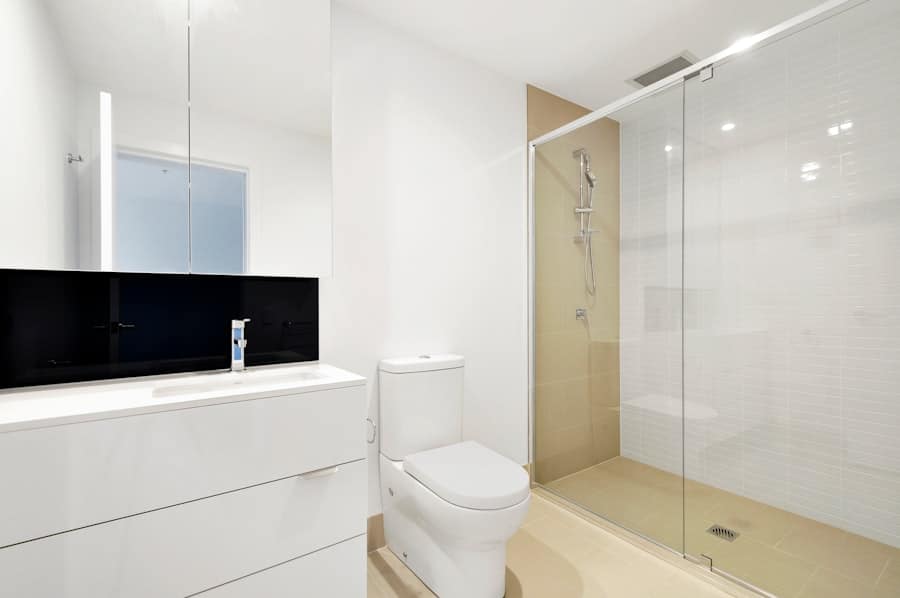
The core of your plumbing installation in Historic Downtown McKinney will likely involve integrating new systems within or alongside existing, often aged, infrastructure. This is where ingenuity and a methodical approach are paramount.
Identifying and Dealing with Old Plumbing Materials
Older buildings can house a variety of plumbing materials, each with its own set of issues. You need to be prepared to identify these and determine the best course of action.
Galvanized Steel Pipes
Galvanized steel pipes, common in older homes and buildings, are prone to corrosion from the inside out. They can restrict water flow and harbor rust. When encountered, replacement is usually the most practical solution.
Lead Plumbing
Lead pipes were once widely used for water supply. Though no longer permitted, you might find them in older properties. Due to health concerns, lead pipes must be carefully removed and replaced. Your plan should explicitly address the safe and compliant removal of any lead plumbing.
Cast Iron Drain Lines
Older drain and waste pipes are often made of cast iron. While durable, cast iron can corrode, crack, or become brittle over time. You’ll need to assess their condition and determine if they can be integrated, repaired, or if a full replacement is necessary.
Structural Constraints and Access Issues
The very construction of historic buildings presents physical hurdles for plumbing work. You’ll need to be resourceful in finding ways to install pipes without causing undue damage.
Concealed Spaces and Difficult Access
Historic buildings often have limited concealed spaces for plumbing. Walls might be solid masonry, floors may have deep joists that are difficult to navigate, and ceilings might be ornate, making access for repairs or new installations a complex undertaking.
Minimizing Structural Impact
Your goal should be to minimize the impact on the building’s structure. This might involve careful planning of pipe runs to utilize existing cavities or, where necessary, making small, strategically placed openings that can be expertly repaired.
Water Pressure and Flow Rate Management
The demands of modern plumbing fixtures can be significantly higher than what older systems were designed to handle. You’ll need to ensure adequate water pressure and flow rate for your new bathroom.
Assessing Incoming Water Pressure
You’ll need to accurately measure the incoming water pressure from the municipal supply. If it’s insufficient, you may need to consider solutions like a booster pump, but this also needs to be reviewed by the appropriate authorities.
Sizing Pipes Appropriately
Selecting the correct pipe diameter is crucial for maintaining adequate water flow to your fixtures. Oversized pipes can lead to low pressure, while undersized pipes can restrict flow. Your installation plan must account for the number and type of fixtures to be installed.
Modernizing Bathroom Plumbing with Historic Sensitivity
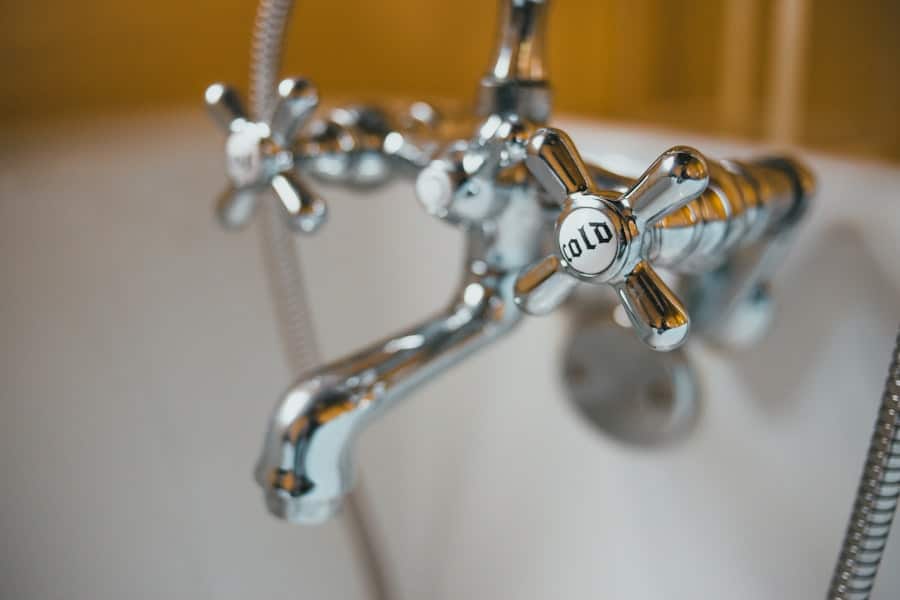
The objective is to bring modern functionality and comfort to historic spaces without sacrificing their unique character. This means selecting fixtures and implementing installation techniques that blend seamlessly with the existing environment.
Choosing Appropriate Fixtures and Finishes
The selection of bathroom fixtures is not merely about functionality; it is also about aesthetics and compatibility with the historic setting.
Traditional vs. Contemporary Fixture Styles
You have the option of choosing fixtures that echo the historical period or opt for more contemporary designs that offer a subtle contrast. The key is to ensure that the chosen style complements the overall design of the bathroom and the building.
Material Considerations for Fixtures
Beyond style, consider the materials of your fixtures. While chrome is a classic choice, you might also find brass, porcelain, or even copper in older aesthetics. Ensure the materials you choose are durable and aesthetically pleasing.
Incorporating Sustainable Plumbing Practices
Even in historic buildings, you can and should incorporate water-efficient and environmentally conscious plumbing solutions.
Low-Flow Fixtures
The installation of low-flow toilets, showerheads, and faucets can significantly reduce water consumption. This is beneficial both environmentally and for reducing plumbing strain on older infrastructure.
Water Heater Efficiency
If a new water heater is part of the project, consider energy-efficient models, such as tankless water heaters or high-efficiency storage tank units. This can reduce energy costs and environmental impact.
Advanced Plumbing Technologies and Their Integration
While maintaining historic charm, you can still leverage modern plumbing technologies to enhance performance and convenience.
Underfloor Heating Systems
For a touch of luxury and comfort, you might consider integrating underfloor heating. This can be done with minimal visual impact, providing efficient and even warmth.
Advanced Drainage Systems
Modern drainage systems can offer improved efficiency and odor control. Researching these options will help you select the best solution for your needs.
If you’re considering a bathroom plumbing installation in Historic Downtown McKinney, it’s essential to understand the materials involved in modern plumbing systems. For instance, many homeowners are opting for PVC due to its durability and cost-effectiveness. To learn more about this popular material and its applications, you can check out this informative article on PVC plumbing. Understanding these options can help you make informed decisions for your renovation project.
The Importance of Professional Expertise in Historic Plumbing Projects
| Month | Number of Installations | Customer Satisfaction Rate |
|---|---|---|
| January | 15 | 90% |
| February | 20 | 85% |
| March | 18 | 88% |
Undertaking bathroom plumbing installation in Historic Downtown McKinney is not a DIY endeavor for the uninitiated. The complexities involved demand the skills and experience of professionals who understand both modern plumbing and the unique challenges of historic preservation.
Selecting a Qualified Plumbing Contractor
Your choice of contractor is paramount. You need a plumber who has demonstrated experience working in historic districts and understands the specific requirements.
Verifying Experience and Credentials
Ask for references and examples of previous work in similar historic settings. Check for proper licensing and insurance. A contractor with a portfolio of successfully completed projects in historic areas will be better equipped to navigate the challenges.
Understanding the Contractor’s Approach to Historic Preservation
Discuss their philosophy on historic preservation. Do they prioritize minimal intervention? Do they have experience working with historical materials or architectural elements? A good contractor will approach the project with respect for the building’s history.
The Role of Permitting and Inspections in Project Success
As mentioned earlier, navigating the regulatory landscape is crucial. A professional plumbing contractor will be well-versed in these processes.
Managing the Permitting Process
A reputable contractor will handle the application for all necessary permits, ensuring that all documentation is accurate and submitted on time. This saves you considerable time and potential frustration.
Coordinating with Inspectors
They will also be responsible for scheduling and coordinating with building inspectors throughout the project. This ensures that inspections are passed smoothly and that the project stays on track.
Long-Term Maintenance and Future Considerations
A well-executed plumbing installation in a historic building should be designed for longevity and ease of maintenance.
Planning for Accessibility
Ensure that future maintenance and potential repairs are considered in the design. Pipes should be routed in ways that allow for reasonable access without requiring destructive demolition.
Material Choices for Longevity
The choice of materials for the new plumbing systems can significantly impact their lifespan. Investing in high-quality, durable materials will reduce the likelihood of future problems and costly repairs.
By approaching your bathroom plumbing installation in Historic Downtown McKinney with careful planning, a deep understanding of the area’s history, and the expertise of qualified professionals, you can successfully integrate modern conveniences while preserving the unique charm that makes this district so special.
FAQs
1. What is the significance of historic downtown McKinney in relation to bathroom plumbing installation?
Historic downtown McKinney is known for its preservation of historic buildings and architecture. When it comes to bathroom plumbing installation in this area, it is important to adhere to specific guidelines and regulations to maintain the historical integrity of the buildings.
2. Are there any specific regulations or restrictions for bathroom plumbing installation in historic downtown McKinney?
Yes, there are specific regulations and restrictions in place to ensure that any bathroom plumbing installation in historic downtown McKinney complies with the historical preservation guidelines. This may include restrictions on the types of materials that can be used and the methods of installation.
3. What are some common challenges faced when installing bathroom plumbing in historic buildings in downtown McKinney?
Common challenges when installing bathroom plumbing in historic buildings in downtown McKinney may include working with outdated or fragile plumbing systems, navigating tight spaces, and ensuring that the installation does not compromise the historical integrity of the building.
4. Are there specialized professionals who are experienced in bathroom plumbing installation in historic downtown McKinney?
Yes, there are specialized professionals who have experience in working with historic buildings and are familiar with the specific requirements for bathroom plumbing installation in historic downtown McKinney. It is important to work with professionals who understand the unique challenges of working in this area.
5. What are some considerations to keep in mind when planning a bathroom plumbing installation in historic downtown McKinney?
When planning a bathroom plumbing installation in historic downtown McKinney, it is important to consider the historical significance of the building, the specific regulations and restrictions in place, and the expertise of the professionals involved. Additionally, it is important to prioritize preserving the historical integrity of the building while meeting the functional needs of the modern plumbing system.