
When you’re a homeowner in Round Rock, Texas, the topic of residential plumbing repair isn’t exactly at the forefront of your mind. It’s not something you actively seek out or eagerly anticipate discussing. However, it’s an essential aspect of maintaining your property, and understanding its nuances can save you considerable stress and expense down the line. This article aims to provide you with a practical guide to navigating residential plumbing repair in your Round Rock home, covering common issues, how to approach finding a qualified professional, and preventive measures you can take.
Your plumbing system, while often unseen, is a complex network of pipes, fixtures, and appliances working in tandem to deliver water and remove waste. Over time, various factors can lead to malfunctions. Being aware of these common issues will help you identify problems early and seek timely repairs in Round Rock.
Leaky Faucets and Fixtures
This is perhaps one of the most frequent and easily identifiable plumbing problems. A dripping faucet might seem minor, but it can waste a significant amount of water over time, leading to higher utility bills and potentially more serious damage if left unaddressed.
Identifying the Source of the Leak
- Washer Wear: In older faucets, the rubber washer that seals the valve can degrade, causing a persistent drip.
- O-Ring Deterioration: Similar to washers, O-rings can also weaken and crack, especially with constant use or exposure to hard water.
- Loose Connections: Sometimes, the leak might originate from a loose connection where the faucet attaches to the water supply line.
- Cartridge Problems: Modern single-handle faucets often use cartridges. If the cartridge is faulty or worn out, it can lead to leaks.
Fixture-Specific Leaks
- Sink Faucets: Drips from the spout or around the base are common.
- Showerheads: Leaks here can manifest as drips when the shower is off or water seeping from the wall behind the shower arm.
- Toilet Tanks and Bowls: A running toilet can be a constant source of water waste. Leaks can also occur around the base of the toilet.
Clogged Drains and Toilets
Clogs are another pervasive plumbing issue that can quickly disrupt your household’s daily routines. Everything from hair and soap scum in bathroom drains to food particles and grease in kitchen sinks can contribute to blockages.
Causes of Clogged Drains
- Hair: The most common culprit in bathroom sinks and shower drains.
- Grease and Food Scraps: In the kitchen, pouring grease down the drain or flushing food waste can solidify and create stubborn clogs.
- Foreign Objects: Small items, such as cotton swabs, dental floss, or even children’s toys, can accidentally fall into drains and cause obstructions.
- Pipe Buildup: Over years of use, mineral deposits and other debris can accumulate within the pipes, narrowing the passageway for water.
Recognizing the Signs of a Clog
- Slow Drainage: Water takes longer than usual to drain from sinks, tubs, or showers.
- Gurgling Noises: You might hear gurgling sounds coming from the drain when water is running in another fixture.
- Unpleasant Odors: Standing water and trapped debris can lead to foul smells emanating from drains.
- Water Backups: In severe cases, water might back up into the sink or tub when another fixture is used.
Water Heater Issues
Your water heater is a critical appliance, and when it malfunctions, it can significantly impact your comfort. From a lack of hot water to strange noises, several signs indicate a problem.
Common Water Heater Problems
- No Hot Water: This can be due to a tripped circuit breaker (for electric heaters), a faulty thermostat, or a pilot light issue (for gas heaters).
- Lukewarm Water: If the water is only slightly warm, it could indicate sediment buildup at the bottom of the tank or a malfunctioning heating element.
- Strange Noises: Popping, rumbling, or banging noises often signal sediment buildup.
- Leaking Water Heater: A leak from the tank itself is a serious issue that requires immediate attention.
Pipe Leaks and Burst Pipes
While less common than the issues above, leaks within your walls or floors, or even a burst pipe, can be catastrophic. These problems often require extensive repair and can lead to significant water damage.
Identifying Potential Pipe Leaks
- Unexplained Puddles or Damp Spots: Look for water collecting on floors or walls, especially in areas where pipes are likely to run.
- Musty Odors: Persistent dampness can lead to mold and mildew growth, producing a musty smell.
- Peeling Paint or Wallpaper: Moisture seeping through walls can cause finishes to blister or peel.
- Increased Water Bills: A sudden and unexplained spike in your water usage can indicate an unseen leak.
- Low Water Pressure: Significant leaks in the supply lines can reduce the overall water pressure throughout your home.
Causes of Pipe Leaks and Bursts
- Corrosion: Older pipes, especially galvanized steel ones, can corrode over time, leading to leaks.
- Freezing Temperatures: In areas prone to freezing, pipes can freeze and burst if not properly insulated, a concern that might arise even in Round Rock, particularly during unusually cold snaps.
- High Water Pressure: Excessive water pressure can stress your plumbing system and lead to leaks.
- Shifting Foundations: Changes in the ground beneath your home can put pressure on pipes, causing them to crack or break.
If you’re looking for insights on residential plumbing repair in Round Rock, Texas, you might find it helpful to explore related articles that discuss plumbing services in various locations. For instance, an informative piece on the best plumbing service in Denver, Colorado, can provide valuable tips and comparisons that may be applicable to your needs. You can read more about it here: Best Plumbing Service in Denver, Colorado.
Finding a Reliable Plumber in Round Rock, Texas
When a plumbing problem arises, your immediate priority is to find a qualified and trustworthy professional to fix it. In a city like Round Rock, with a growing population, there are many plumbing services available. However, not all are created equal.
Researching Local Plumbing Companies
Start by gathering information about plumbing companies operating in the Round Rock area.
Online Reviews and Testimonials
- Google Reviews: Look for businesses with a high rating and numerous positive reviews. Pay attention to recurring themes in the reviews, both positive and negative.
- Yelp and Angi (formerly Angie’s List): These platforms offer detailed reviews and ratings from other homeowners.
- Better Business Bureau (BBB): Check the BBB for any complaints filed against a plumbing company and how they were resolved.
Seeking Recommendations
- Neighbors and Friends: Ask trusted friends, family members, or neighbors in Round Rock for recommendations based on their personal experiences.
- Local Community Groups: Online forums or local social media groups can be valuable sources of unbiased opinions.
Verifying Credentials and Experience
Once you have a shortlist of potential plumbers, take the time to verify their qualifications.
Licensing and Insurance
- Texas State Licensing Board: Ensure the plumber or plumbing company is licensed by the Texas State Board of Plumbing Examiners. This is a crucial indicator of their adherence to industry standards and regulations.
- Proof of Insurance: A reputable plumber will carry both liability insurance and workers’ compensation insurance. This protects you from financial responsibility if an accident occurs on your property.
Experience with Your Specific Problem
- Ask About Their Experience: Don’t hesitate to ask how much experience they have with the specific type of plumbing issue you’re facing. Some plumbers specialize in certain areas, like drain cleaning or water heater repair.
- Years in Business: A company that has been serving the Round Rock community for many years often indicates stability and a solid customer base.
Understanding Pricing and Estimates
Clear communication about costs is vital to avoid surprises.
Obtaining Multiple Estimates
- Get Quotes in Writing: Always ask for a written estimate before authorizing any work. This estimate should detail the scope of work, the parts required, and the labor costs.
- Compare Bids: Obtain estimates from at least two or three different plumbers to compare pricing and services offered. Be wary of significantly lower bids, as they might indicate corners being cut.
Types of Pricing
- Hourly Rate: Some plumbers charge an hourly rate for their services. Understand their hourly charge and an estimated number of hours the job might take.
- Flat-Rate Pricing: Other companies offer flat-rate pricing for common services. This provides more predictable costs.
- Emergency Service Fees: Be aware that emergency calls or work outside of standard business hours often incur higher fees.
Preventive Maintenance for Your Plumbing System
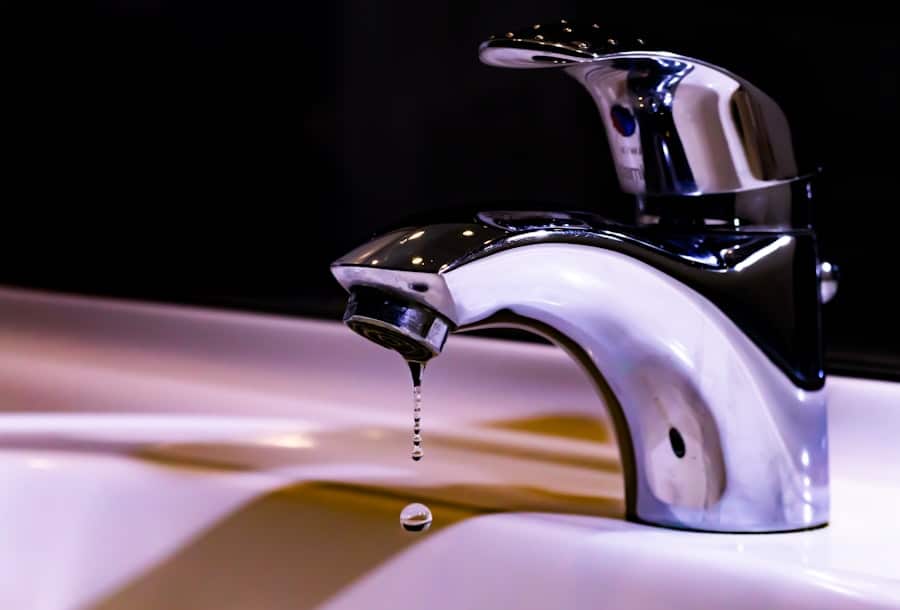
The best way to deal with plumbing repair is to avoid it altogether. Implementing a regular preventive maintenance schedule for your Round Rock home’s plumbing can significantly reduce the likelihood of costly and disruptive issues.
Regular Inspections
Periodic checks of your plumbing system can help identify potential problems before they become serious.
Visual Inspections
- Check for Leaks: Regularly walk through your home and look for any signs of leaks around faucets, under sinks, near toilets, and around water heaters.
- Inspect Visible Pipes: Look for any signs of corrosion, damage, or leaks on exposed pipes in your basement, crawl space, or utility areas.
- Examine Toilet Bases: Ensure there’s no water pooling around the base of your toilets.
Water Pressure Checks
- Monitor Water Pressure: If you notice a sudden drop in water pressure, it could indicate a leak or a problem with your main water line.
Drain Care Habits
Simple habits can go a long way in preventing clogs.
What Not to Put Down Drains
- Kitchen Sinks: Avoid pouring grease, coffee grounds, eggshells, and fibrous food waste (like celery or corn husks) down the drain. Use a sink strainer to catch debris.
- Bathroom Drains: Never flush cotton balls, cotton swabs, dental floss, hair, or feminine hygiene products down toilets or drains.
Using Drain Cleaners Responsibly
- Enzymatic Cleaners: For minor clogs or general maintenance, consider using enzyme-based drain cleaners, which are more environmentally friendly and less harsh on pipes.
- Avoid Harsh Chemicals: While chemical drain cleaners can be effective, they can also damage pipes over time with frequent use. Use them sparingly and as a last resort.
Water Heater Maintenance
Proper care of your water heater can extend its lifespan and prevent issues.
Draining the Tank
- Annual Draining: Once a year, you should drain sediment from the bottom of your water heater tank. This process helps prevent corrosion and can improve efficiency. Consult your water heater’s manual or a plumber for instructions.
- Anode Rod Inspection: The anode rod in your water heater sacrifices itself to corrosion, protecting the tank. Have it inspected periodically (every 1-3 years) and replaced if necessary.
Temperature Settings
- Appropriate Temperature: Set your water heater thermostat to around 120°F (49°C). This is hot enough for most household needs and helps prevent scalding and reduces energy consumption.
Insulation and Protection
Protecting your pipes from external factors is crucial.
Pipe Insulation
- Prevent Freezing: In areas of your home prone to cold temperatures, insulate exposed water pipes with foam insulation sleeves. This is particularly important for pipes in unheated garages, crawl spaces, or basements.
- Reduce Condensation: Insulation can also help prevent condensation on cold water pipes, which can lead to water damage.
Addressing Hard Water
- Water Softener: Round Rock, like many areas in Texas, can have hard water. If you have excessive mineral buildup, consider installing a water softener. This can prevent mineral deposits from damaging your pipes and appliances over time.
Emergency Plumbing Situations in Round Rock
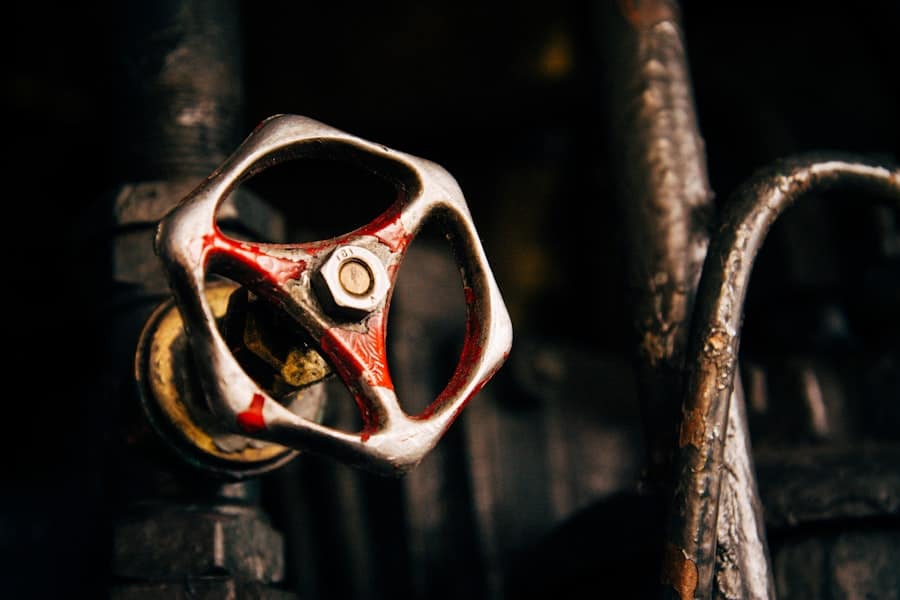
Some plumbing problems are more than just an inconvenience; they are emergencies that require immediate attention to prevent significant damage to your home. Knowing how to react in these situations is crucial.
Identifying True Plumbing Emergencies
Not every dripping faucet warrants a midnight call to a plumber, but some issues demand immediate action.
Burst Pipes
- Immediate Action: If you discover a burst pipe, the first step is to shut off the main water supply to your house. Locate your main water shut-off valve (usually in the basement, garage, or near the water meter) and turn it off. Then, call a plumber immediately.
- Drain Remaining Water: Open faucets throughout the house to drain any remaining water in the pipes.
Severe Clogs Leading to Flooding
- Overflowing Fixtures: If a clog is so severe that water is backing up and threatening to overflow fixtures, creating a flood risk, this is an emergency.
- Attempt to Stop Flow: If possible, try to stop the flow of water into the fixture. If a toilet is overflowing, do not flush it again.
Sewage Backups
- Health Hazard: Sewage backups are a serious health hazard and necessitate immediate professional attention.
- Do Not Use Fixtures: If you suspect a sewage backup, avoid using any toilets, sinks, or other plumbing fixtures.
Major Water Heater Leaks
- Leaking from the Tank: A significant leak from the main tank of your water heater can lead to substantial water damage. Shut off the water supply to the heater and the power or gas supply.
What to Do During a Plumbing Emergency
Being prepared can mitigate damage during a stressful situation.
Know Your Shut-Off Valves
- Main Water Shut-Off: Crucially, know the location of your home’s main water shut-off valve and how to operate it.
- Appliance Shut-Offs: Know where individual shut-off valves are for appliances like toilets, sinks, and washing machines.
Document the Damage
- Take Photos/Videos: If safe to do so, take photos or videos of the damage. This can be helpful for insurance purposes.
- Contain the Water: If possible, use buckets or towels to contain minor leaks while waiting for professional help.
Contacting Emergency Plumbers
- 24/7 Availability: Many plumbing companies in Round Rock offer 24/7 emergency services. Have a few of these numbers readily available.
- Be Prepared to Provide Details: When you call, be ready to describe the problem in detail, including its location and severity.
When considering the importance of maintaining your home’s plumbing system, it’s essential to understand the various aspects of residential plumbing repair in Round Rock, Texas. Homeowners often face challenges that require professional assistance, and knowing the pros and cons of being a plumber can provide valuable insights into the industry. For a deeper understanding of the profession and its impact on service quality, you can read more in this informative article about the pros and cons of being a plumber. This knowledge can help you make informed decisions when seeking plumbing services in your area.
Advanced Plumbing Solutions and Upgrades
| Service | Round Rock Texas |
|---|---|
| Number of Residential Plumbing Repair Companies | 15 |
| Average Response Time | 2 hours |
| Common Plumbing Issues | Leaky faucets, clogged drains, water heater repair |
| Customer Satisfaction Rate | 90% |
Beyond basic repairs, there are many advanced plumbing solutions and upgrades available for homeowners in Round Rock that can enhance efficiency, comfort, and even the value of your home.
Water Filtration and Softening Systems
As mentioned, hard water is a common concern in Texas. Addressing it can have widespread benefits.
Benefits of Water Softening
- Reduced Soap Scum: Soft water lathers better, meaning you’ll use less soap and detergent. It also significantly reduces soap scum buildup in showers, tubs, and sinks.
- Extended Appliance Lifespan: Mineral deposits from hard water can clog and damage water-using appliances like dishwashers, washing machines, and water heaters. A softener protects these investments.
- Cleaner Laundry and Dishes: Clothes washed in soft water will feel softer and look brighter, and dishes will come out of the dishwasher with fewer spots.
Water Filtration Options
- Whole-House Filters: These systems filter all the water entering your home, removing sediment, chlorine, and other impurities.
- Point-of-Use Filters: These are installed at individual fixtures, such as kitchen sinks or showerheads, to filter water for specific uses. They are often more affordable and easier to install.
- Reverse Osmosis (RO) Systems: For the purest drinking water, RO systems are an excellent option, removing a wide range of contaminants.
Tankless Water Heaters
Traditional tank water heaters heat and store a large volume of water, which can be inefficient if you don’t use hot water constantly.
Advantages of Tankless Water Heaters
- On-Demand Hot Water: They heat water only when you need it, providing a continuous supply of hot water without running out.
- Energy Efficiency: Because they don’t have to keep a large tank of water heated 24/7, tankless water heaters can be more energy-efficient and lead to lower utility bills.
- Space Saving: They are much smaller than traditional tank heaters and can be mounted on a wall, freeing up floor space.
Considerations for Tankless Water Heaters
- Higher Upfront Cost: The initial purchase and installation cost of a tankless water heater is typically higher than that of a conventional tank heater.
- Flow Rate Limitations: For very high demand, such as multiple showers running simultaneously, you might need a larger or multiple tankless units to keep up.
Smart Plumbing Technology
The integration of technology into plumbing systems is revolutionizing how we manage our homes.
Leak Detection Systems
- Early Warning: These systems use sensors to detect moisture and alert you immediately via smartphone notifications if a leak is detected anywhere in your home.
- Automatic Shut-Off: Some advanced systems can automatically shut off the main water supply in the event of a significant leak, preventing extensive damage.
Smart Faucets and Showers
- Water Conservation: Smart faucets and showerheads can be programmed to dispense precise amounts of water or shut off automatically, helping to conserve water.
- Temperature Control: Some advanced systems offer precise temperature control and memory settings for personalized comfort.
Repiping and Pipe Upgrades
For older homes with deteriorating pipes, a full repipe might be a necessary investment.
When to Consider Repiping
- Leaky Pipes: Frequent leaks or signs of corrosion on visible pipes.
- Discolored Water: Rust-colored or discolored water can indicate corroded pipes.
- Low Water Pressure: Significant drops in water pressure throughout the house might be due to internal pipe damage.
- Old Plumbing Materials: Homes built with materials like galvanized steel or lead can benefit from being repiped with modern, durable materials like PEX or copper.
Benefits of Modern Piping Materials
- Longevity: PEX and copper pipes are designed to last for decades, offering superior durability compared to older materials.
- Corrosion Resistance: These materials are resistant to corrosion and mineral buildup, ensuring better water flow and quality.
- Health Benefits: Replacing lead pipes eliminates the risk of lead contamination in your drinking water.
Residential plumbing repair in Round Rock, Texas, is a multifaceted aspect of homeownership. By understanding common issues, knowing how to find reliable professionals, embracing preventive maintenance, being prepared for emergencies, and considering advanced upgrades, you can ensure your home’s plumbing system remains efficient, functional, and a source of comfort for years to come.
FAQs
1. What are common residential plumbing issues in Round Rock, Texas?
Common residential plumbing issues in Round Rock, Texas include leaky faucets, clogged drains, running toilets, water heater problems, and sewer line issues.
2. How can I find a reliable plumbing repair service in Round Rock, Texas?
You can find a reliable plumbing repair service in Round Rock, Texas by asking for recommendations from friends and family, reading online reviews, checking for proper licensing and insurance, and getting multiple quotes before making a decision.
3. What are the signs that indicate I need plumbing repair in my Round Rock home?
Signs that indicate you need plumbing repair in your Round Rock home include low water pressure, slow draining sinks, foul odors coming from drains, water stains on walls or ceilings, and unusual sounds coming from pipes.
4. How can I prevent plumbing issues in my Round Rock home?
You can prevent plumbing issues in your Round Rock home by scheduling regular maintenance, avoiding putting grease and food scraps down the drain, using drain strainers to catch hair and debris, and being mindful of what you flush down the toilet.
5. What should I do if I experience a plumbing emergency in my Round Rock home?
If you experience a plumbing emergency in your Round Rock home, such as a burst pipe or sewage backup, you should shut off the water supply, call a professional plumber immediately, and try to contain the damage by mopping up excess water or using towels to soak up leaks.