
You’re considering buying property in Old Town Peoria, Arizona, or perhaps you’re a current homeowner looking to maintain your investment. A critical, yet often overlooked, component of any property is its plumbing system. Ignoring this vital infrastructure can lead to significant expenses, water damage, and even health hazards. That’s where a thorough plumbing inspection becomes indispensable, especially in a mature community like Old Town Peoria, where homes often carry history and the potential for hidden issues.
This guide aims to equip you with the knowledge and understanding of what a plumbing inspection entails, why it’s particularly relevant for Old Town Peoria, and what you should expect from the process. We will delve into the common problems you might encounter, the benefits of a proactive approach, and how to select a reputable plumbing inspection service.
A plumbing inspection is a systematic evaluation of your home’s entire water and waste disposal system. It’s not just about checking for visible leaks; it’s a comprehensive assessment performed by a qualified professional to identify any current or potential problems. This inspection goes beyond a cursory glance, examining the intricate network of pipes, fixtures, drains, and water heaters that keep your home functional and comfortable.
What Does a Plumbing Inspection Typically Cover?
When you schedule a plumbing inspection, you can expect the professional to examine a wide range of components. The goal is to provide you with a clear understanding of the condition of your plumbing and any necessary repairs or maintenance.
Interior Plumbing Fixtures and Faucets
This is often the most visible part of your plumbing. The inspector will check all faucets (kitchen, bathroom, laundry), showerheads, and toilets for proper function, leaks, and any signs of corrosion or mineral buildup. They’ll observe how quickly faucets turn on and off, check for drips, and assess the flush mechanism and seal of toilets.
Drains and Slow-Flowing Water
A significant concern for any homeowner is the efficiency of their drainage system. The inspector will test the drainage of all sinks, tubs, and showers to identify any blockages or slow-flowing water, which can indicate partial clogs or issues further down the line. They will also look for signs of backup or gurgling sounds.
Water Heater Inspection
Your water heater is a crucial appliance, and its condition directly impacts your access to hot water and can pose safety risks if not maintained. The inspection will include an evaluation of the water heater’s age, model, and overall condition. They will check for leaks around the tank and connections, assess the pressure relief valve, and inspect the anode rod for corrosion (if accessible). The presence of sediment in the tank, which can reduce efficiency and lifespan, may also be noted.
Toilet Functionality and Leaks
Toilets are frequently used and can be a source of significant water waste and damage if they are not functioning correctly. Beyond checking for leaks at the base and the tank, the inspector will assess the fill valve, flapper, and the overall stability of the toilet. They will also note any running toilets, which are a common indicator of a faulty component.
Pipe Material and Age Assessment
The type of pipes in your home plays a crucial role in its plumbing system’s longevity and potential for issues. Old Town Peoria has a mix of older homes, meaning you might find various pipe materials. The inspector will identify the type of piping used (e.g., galvanized steel, copper, PEX, PVC) and assess their condition, looking for signs of corrosion, scaling, or potential future failures, especially with older materials like galvanized steel which is prone to internal rust.
Visible Pipe Condition and Leaks
While a comprehensive inspection involves looking beyond the visible, a significant part of the assessment involves identifying any leaks, drips, or water stains on visible pipes, under sinks, in basements, or crawl spaces. The inspector will document any signs of moisture or water damage, which could indicate a more serious underlying issue.
Sewer Line and Drain Pipe Inspection (Optional but Recommended)
For a more thorough assessment, especially in older homes, a sewer line inspection using a video camera can be invaluable. This reveals the condition of the main sewer line running from your house to the city’s main, identifying blockages from tree roots, collapsed sections, or significant debris accumulation. This is a crucial step in understanding the overall health of your entire drainage system.
Water Pressure Assessment
Adequate water pressure is essential for comfortable living. The inspector will measure the water pressure throughout the house to ensure it falls within acceptable ranges. Inconsistent or low water pressure can point to various issues, from leaks in the system to problems with the main water supply or even internal pipe blockages.
If you’re looking for insights on plumbing services beyond Old Town Peoria, Arizona, you might find the article on the best plumbing service in Baltimore, Maryland, quite informative. It offers valuable tips and considerations that can be applicable to various plumbing needs. You can read more about it here: Best Plumbing Service in Baltimore, Maryland.
Why Old Town Peoria Demands a Specialized Plumbing Lens
Old Town Peoria, with its charm and history, presents a unique set of considerations when it comes to plumbing. The age of many of its structures means that plumbing systems may have undergone various renovations and repairs over the decades, and some may still be utilizing original, aging infrastructure. This history can lead to a complex interplay of materials and potential vulnerabilities.
The Heritage of Old Town Peoria Homes
Many homes in Old Town Peoria were built during periods when plumbing materials and practices differed significantly from today’s standards. This means you may encounter systems with:
Galvanized Steel Pipes
Commonly used in homes built before the 1970s, galvanized steel pipes are prone to internal corrosion and rust. Over time, this buildup can restrict water flow, reduce water pressure, and even lead to discolored water. The zinc coating that protects the steel eventually erodes, exposing the metal to oxidation. This can cause pinhole leaks and necessitate entire repiping projects.
Lead Solder and Other Older Materials
Older plumbing might also contain lead solder used to join copper pipes, which can leach lead into your drinking water, posing a serious health risk. While regulations have changed, remnants of these practices can still exist in older systems. Identifying these materials is a critical part of a plumbing inspection for such properties.
Evolving Plumbing Technologies
As homes have been updated, you might find a mix of materials. For instance, an older home might have its original galvanized supply lines but have had the kitchen sink rerouted with copper or PEX. This patchwork can create potential points of failure where different materials meet or where older sections are under strain from newer additions. Understanding how these different systems interact is vital.
Common Plumbing Issues in Established Neighborhoods
Established neighborhoods like Old Town Peoria are more susceptible to certain plumbing problems due to the age of their infrastructure and the settling of the ground over time.
Tree Root Intrusion
Mature trees are a beautiful amenity of older neighborhoods, but their roots can be a significant threat to underground sewer and drain lines. Roots seek out water and nutrients, and even small cracks in pipes can provide an entry point. Once inside, the roots grow and can eventually cause the pipes to break or collapse entirely, leading to serious blockages and costly repairs.
Clogged Drains and Sewer Lines
Over years of use, drain pipes can accumulate grease, hair, soap scum, and other debris, leading to gradual or complete blockages. In older homes, these blockages can be exacerbated by degraded pipe materials or the intrusion of tree roots. A professional inspection can determine the extent of these blockages and their underlying causes.
Water Heater Age and Failure
Water heaters have a finite lifespan, typically 8-15 years depending on the type and maintenance. Many homes in Old Town Peoria might still have original water heaters that are nearing or have exceeded their expected service life. This increases the risk of leaks, reduced efficiency, and complete failure, leading to a sudden loss of hot water and potential water damage.
Fixture Wear and Tear
Faucets, toilets, and shower valves, especially those with original components, are subject to wear and tear. Seals can degrade, cartridges can fail, and fixtures can become corroded or stained. This can lead to drips, leaks, reduced water flow, and a less-than-aesthetic appearance.
The Inspection Process: What to Expect on Inspection Day
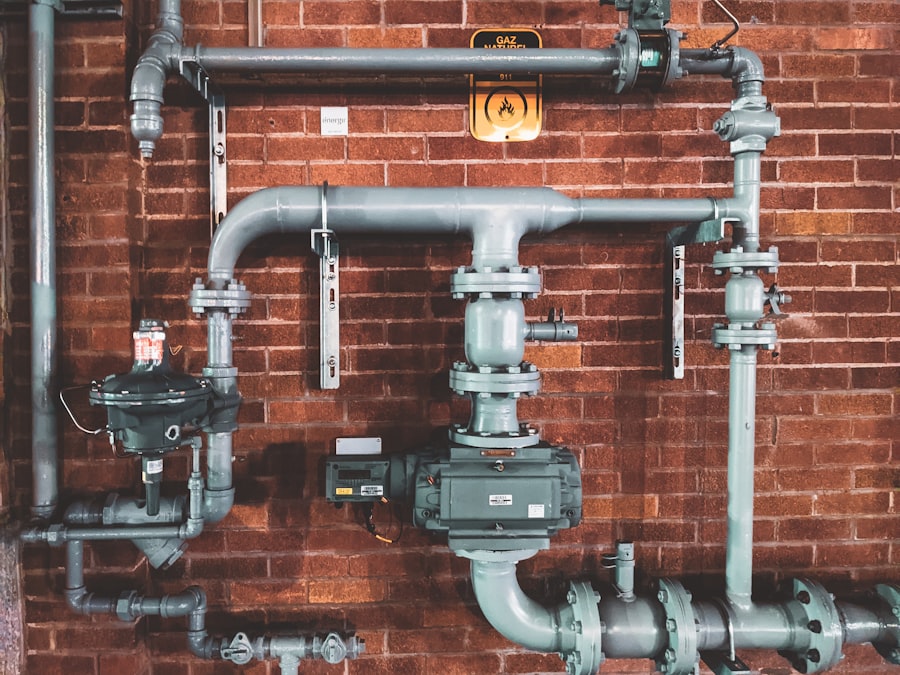
When you schedule a plumbing inspection in Old Town Peoria, the process is designed to be thorough and informative. The inspector will systematically go through your home, examining every aspect of the plumbing system.
Pre-Inspection Preparations
While the bulk of the work is on the inspector, a few things can help ensure a smooth process.
Clearing Access to Plumbing Fixtures
Ensure that all sinks, toilets, and under-sink areas are reasonably clear of personal items, cleaning supplies, or storage that might obstruct the inspector’s view and access. This will save time and allow for a more comprehensive assessment.
Locating the Main Water Shut-Off Valve
Familiarize yourself with the location of your main water shut-off valve. The inspector may need to use it at some point, and knowing where it is can be helpful in an emergency.
Providing Previous Repair Records (If Available)
If you have any records of past plumbing repairs, renovations, or a home inspection report from a previous owner, providing these to the inspector can offer valuable context and historical information about your plumbing system.
The Inspector’s Toolkit and Techniques
A professional plumbing inspector comes equipped with specialized tools and knowledge to diagnose issues that may not be immediately apparent.
Visual Inspection and Professional Judgment
The inspector’s primary tool is their trained eye and years of experience. They will meticulously examine all visible pipes, fixtures, and components, looking for any anomalies, signs of wear, or potential problems. Their professional judgment allows them to interpret subtle cues and anticipate future issues.
Functional Testing of Fixtures
Every faucet, shower, toilet, and appliance connected to the water supply will be tested for proper operation. This includes checking for leaks, proper shut-off, water flow rate, and the effectiveness of flushing mechanisms.
Listening for Unusual Sounds
A seasoned inspector can often detect the subtle sounds of leaks or blockages. The sound of running water when no fixture is in use, or the gurgling sound of drains, can be indicative of underlying issues.
Use of Specialized Tools (e.g., Moisture Meters, Camera Probes)
Depending on the scope of the inspection, the inspector may use tools like moisture meters to detect hidden water damage or mold behind walls or under floors. For sewer line inspections, a video camera probe is essential for visualizing the interior of the pipes.
Post-Inspection Reporting
Once the inspection is complete, you will receive a detailed report outlining the findings.
The Plumbing Inspection Report Explained
The report is your key takeaway from the inspection. It will typically include:
- A summary of the inspected areas: This clearly lists all components and systems that were examined.
- Detailed findings: This section will describe the condition of each component, noting any issues identified, their severity, and potential implications.
- Photographic evidence: Most professional reports will include photographs of any defects or areas of concern, providing clear visual documentation.
- Recommendations for repairs or maintenance: The inspector will offer actionable advice on what needs to be done, often categorizing issues by urgency (e.g., immediate repair, recommended soon, monitoring).
- Estimated repair costs (sometimes): While not always included, some inspectors may provide rough estimates for common repairs to help you budget.
Common Plumbing Problems and Their Solutions
Understanding potential plumbing issues can help you better interpret your inspection report and make informed decisions about necessary repairs.
Leaks: The Silent Water Wasters
Leaks are one of the most common and potentially damaging plumbing problems. They can range from small drips to significant flows.
Under-Sink Leaks
Often caused by worn-out seals in faucets or loose connections, under-sink leaks can lead to cabinet damage, mold growth, and wasted water. Simple repairs often involve tightening connections or replacing seals and cartridges.
Toilet Leaks
These can occur at the tank seal, flapper valve, or the wax ring at the base. A running toilet is a prime example of a leaky toilet, indicating a problem with the fill valve or flapper.
Pipe Penetration Leaks
Leaks where pipes pass through walls or floors can be hard to detect but can cause significant structural damage over time.
Pinholes in Pipes
A more serious issue, pinhole leaks in older pipes, especially galvanized steel, can indicate widespread corrosion and may necessitate the replacement of entire pipe sections or a full repiping.
Clogs and Blockages: Disrupting the Flow
When drains don’t run freely, it’s a clear sign of a clog.
Drain Clogs in Sinks and Showers
Commonly caused by hair, soap scum, grease, and small objects, these can often be cleared with drain snaking or specialized cleaning solutions. However, recurring clogs might indicate a deeper issue in the main drain line.
Toilet Clogs
These are usually due to excessive toilet paper or foreign objects. While some can be cleared with a plunger, persistent clogs may require a professional plumber.
Sewer Line Blockages
These are the most severe type of clog, affecting multiple fixtures and potentially causing sewage backups into the home. Tree root intrusion and collapsed pipes are common culprits, often requiring excavation and pipe repair or replacement.
Water Pressure Issues: A Sign of Underlying Problems
Inconsistent or low water pressure can be frustrating and can signal more significant plumbing concerns.
Low Water Pressure
This can be caused by partially closed shut-off valves, leaks in the system, restrictions within the pipes due to corrosion or sediment buildup, or issues with the municipal water supply.
Fluctuating Water Pressure
Sudden changes in water pressure can indicate a failing pressure regulator, a leak that is intermittently affecting flow, or issues with the water heater.
Water Heater Problems: From Rusty Water to No Hot Water
Your water heater is a complex appliance with several potential failure points.
Sediment Buildup
Over time, sediment can accumulate at the bottom of the water heater tank. This reduces efficiency, can cause strange noises, and may eventually corrode the tank. Draining and flushing the tank can mitigate this issue.
Rusty or Discolored Water
This is often a sign of corrosion within the water heater or in the pipes leading to it. It can also be an indicator of a failing anode rod.
Leaking Water Heater
Leaks can occur from the tank itself, the connections, or the pressure relief valve. A leaking water heater may need immediate repair or replacement.
Shortage of Hot Water
This can be due to a malfunctioning thermostat, a depleted anode rod, sediment buildup reducing heating efficiency, or the tank being undersized for your needs.
When considering a plumbing inspection in Old Town Peoria, Arizona, it’s essential to understand various plumbing terms and practices that can impact your home’s plumbing system. A helpful resource for homeowners is an article that explains what VP stands for in plumbing, which can provide valuable insights into the terminology used during inspections. You can read more about it in this informative piece on plumbing terminology. Being well-informed can help you make better decisions regarding your plumbing needs.
The Value of Proactive Plumbing Maintenance in Old Town Peoria
| Inspection Type | Number of Inspections | Pass Rate |
|---|---|---|
| Plumbing Inspection | 50 | 80% |
In Old Town Peoria, where homes have a history, a proactive approach to plumbing maintenance is far more economical and less disruptive than reacting to major failures. A plumbing inspection is not merely a diagnostic tool but a preventative strategy.
Preventing Costly Future Repairs
The adage “an ounce of prevention is worth a pound of cure” holds true for plumbing. Identifying minor issues during an inspection, such as a small drip, a slightly corroded pipe, or a malfunctioning valve, allows for repairs to be made before they escalate into significant problems. Repairing a small leak is infinitely cheaper than replacing a water-damaged wall or a severely corroded pipe.
Extending the Lifespan of Your Plumbing System
Regular inspections and addressing minor issues as they arise contribute to the overall health and longevity of your plumbing system. By preventing excessive wear and tear, corrosion, and blockages, you can significantly extend the operational life of your pipes, fixtures, and appliances, delaying the need for expensive replacements.
Ensuring Water Quality and Safety
A well-maintained plumbing system is essential for your health and safety. Inspections can identify issues that could lead to contaminated water, such as the presence of lead solder, corroded pipes that leach metals, or cross-contamination points. Ensuring your pipes and water heater are in good condition guarantees clean, safe water for your household.
Avoiding Water Damage and Its Repercussions
Water damage can be one of the most destructive and expensive problems a homeowner can face. Leaks, even small ones, can go undetected for extended periods, leading to mold growth, structural damage to walls, floors, and ceilings, and damage to personal belongings. A thorough plumbing inspection can help identify potential leak sources before they cause significant harm.
Peace of Mind and Property Value
Knowing that your home’s plumbing system is in good working order provides immense peace of mind. For potential buyers, a recent and comprehensive plumbing inspection report can be a significant selling point, demonstrating that the property has been well-maintained and reducing their perceived risk. This can translate into a more favorable sale price and a smoother transaction.
When considering a plumbing inspection in Old Town Peoria, Arizona, it’s essential to understand the importance of hiring qualified professionals who can ensure your plumbing system is functioning properly. A related article discusses the best plumbing services available in Lincoln, Nebraska, which highlights the qualities to look for in a reliable plumbing service. You can read more about it in this informative piece on best plumbing services. This knowledge can help you make informed decisions about your plumbing needs, whether you’re in Arizona or elsewhere.
Choosing the Right Plumbing Inspection Professional
Selecting a qualified and trustworthy plumbing inspector is paramount to receiving an accurate assessment and valuable advice.
Verifying Credentials and Licensing
Ensure that the plumbing inspector or the company they represent is properly licensed and insured in Arizona. Licensing indicates that they have met certain professional standards and possess the necessary knowledge and skills to perform inspections.
Seeking Recommendations and Reviews
Ask for recommendations from friends, family, or other trusted professionals in the Old Town Peoria area. Online reviews and testimonials can also provide insight into a company’s reputation and the quality of their services. Look for consistent positive feedback regarding thoroughness, professionalism, and the clarity of their reports.
Understanding the Scope of Services Offered
Clarify precisely what the plumbing inspection will cover. Ensure it meets your needs, whether you are buying a new home, selling your current one, or simply conducting routine maintenance. Do they offer video camera sewer line inspections as an add-on? What is their reporting format like? Don’t hesitate to ask questions about their process.
The Importance of a Detailed Written Report
A reputable inspector will provide a comprehensive written report, often accompanied by photographs, detailing their findings and recommendations. Avoid inspectors who only offer verbal assessments, as a written record is crucial for documentation, decision-making, and any potential negotiations.
By understanding the intricacies of plumbing inspections, the specific considerations for a historic area like Old Town Peoria, and the value of proactive maintenance, you are well-equipped to protect your significant investment. A thorough plumbing inspection is not an expense; it’s a crucial step in safeguarding your home’s structural integrity, your family’s health, and your financial well-being.
FAQs
What is a plumbing inspection?
A plumbing inspection is a thorough examination of a property’s plumbing system to assess its condition, identify any issues, and ensure it meets safety and regulatory standards.
Why is a plumbing inspection important in Old Town Peoria, Arizona?
A plumbing inspection is important in Old Town Peoria, Arizona, to ensure that the plumbing system in older buildings is functioning properly, to identify any potential issues such as leaks or corrosion, and to comply with local building codes and regulations.
When should a plumbing inspection be conducted in Old Town Peoria, Arizona?
A plumbing inspection should be conducted in Old Town Peoria, Arizona, when purchasing a new property, before making any major renovations, or if there are signs of plumbing issues such as leaks, low water pressure, or unusual odors.
Who should conduct a plumbing inspection in Old Town Peoria, Arizona?
A licensed and experienced plumber or plumbing inspector should conduct a plumbing inspection in Old Town Peoria, Arizona, to ensure that the assessment is thorough and accurate.
What are the benefits of a plumbing inspection in Old Town Peoria, Arizona?
The benefits of a plumbing inspection in Old Town Peoria, Arizona, include early detection of potential plumbing issues, compliance with local regulations, and peace of mind for property owners knowing that their plumbing system is in good condition.